ICAR-IIHR Bengaluru Opens Genome Editing Centre and Advanced Farmers’ Training Facility to Strengthen Horticulture Innovation
New Centre of Excellence with BSL-II laboratory to advance biotechnology research in horticultural crops, while the Farmers’ Advanced Training Centre focuses on climate-resilient farming, natural farming and technology adoption Bengaluru, November 15, 2026: The Indian Council
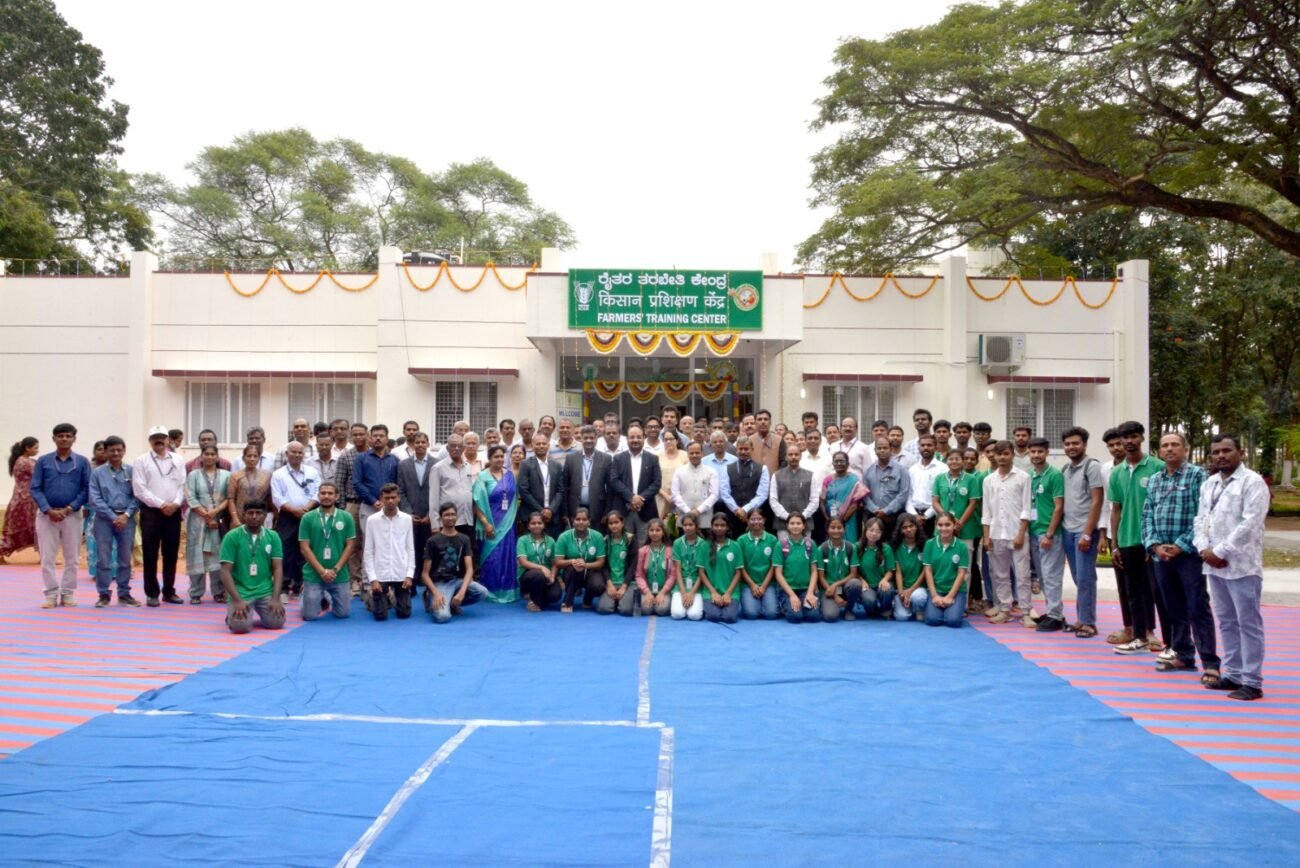
New Centre of Excellence with BSL-II laboratory to advance biotechnology research in horticultural crops, while the Farmers’ Advanced Training Centre focuses on climate-resilient farming, natural farming and technology adoption
Bengaluru, November 15, 2026: The Indian Council of Agricultural Research (ICAR) has strengthened its horticultural research and farmer outreach infrastructure with the inauguration of a Centre of Excellence for Genome Editing in Horticultural Crops and a Farmers’ Advanced Training Centre (ATC) at ICAR–Indian Institute of Horticultural Research (ICAR-IIHR), Bengaluru.
Dr. M. L. Jat, Secretary, Department of Agricultural Research and Education (DARE) and Director General of ICAR, inaugurated both facilities during his visit to the institute on November 15, 2026. The Genome Editing Centre includes a Biosafety Level-II (BSL-II) laboratory, marking a step towards expanding advanced biotechnology research and genome-editing capabilities in India’s horticulture sector.
The new facilities are expected to strengthen research, technology transfer, farmer training and innovation across horticultural crops, with potential implications for agricultural productivity, food quality and the availability of diverse horticultural produce.
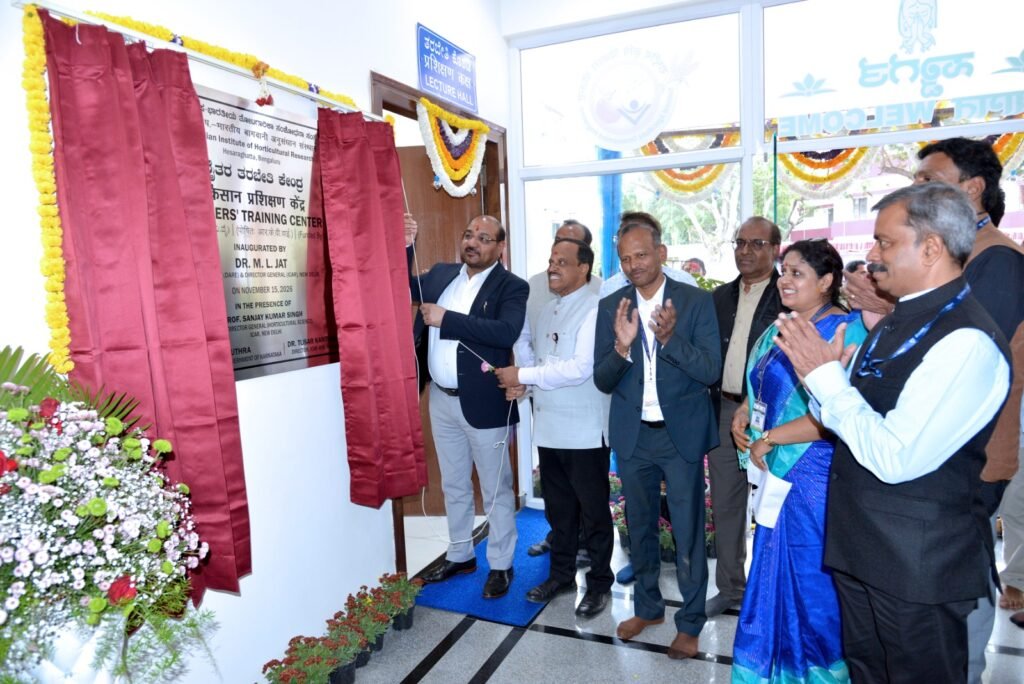
Genome Editing Centre to Advance Horticultural Research
The newly inaugurated Centre of Excellence for Genome Editing is designed to strengthen India’s capabilities in advanced biotechnology research for horticultural crops.
Dr. Jat emphasised the importance of developing self-reliance in genome resources to support genome-editing research. He called on scientists to identify priority areas, improve research targeting and establish a strong data ecosystem to help Indian agricultural research achieve global standards and develop first-of-its-kind innovations.
The initiative comes at a time when climate resilience, crop productivity, nutritional quality and sustainable food production are increasingly important for India’s agricultural and food supply chains.
Farmers’ Training Centre to Promote Climate-Resilient Horticulture
At the Farmers’ Advanced Training Centre, Dr. Jat interacted with progressive farmers, agricultural entrepreneurs, incubatees, nursery owners and natural farming practitioners who have adopted ICAR-IIHR-developed varieties and technologies.
Discussions focused on natural farming, horticultural innovations and strategies to mitigate the impact of El Niño and Super El Niño conditions on horticultural crops.
Farmers shared their experiences with climate-resilient practices, including:
- Mulching: Improving soil moisture conservation and reducing water loss.
- Sprinkler irrigation: Supporting efficient water utilisation.
- Border cropping: Strengthening crop protection and farm management.
- Intercropping: Integrating short-duration flower and vegetable crops to diversify farm output.
- Green manuring: Improving soil health and supporting sustainable cultivation.
According to the farmers, these interventions have contributed to improvements in crop yields, produce quality and agricultural income.
Dr. Jat stressed the importance of integrating scientific innovations with traditional agricultural knowledge and encouraging educated youth, engineers and agricultural graduates to invest in agriculture and horticulture.
He also highlighted the role of ICAR institutions, Krishi Vigyan Kendras (KVKs) and Agricultural Technology Application Research Institutes (ATARIs) in taking new technologies to farming communities through government initiatives, particularly the Khet Bachao Abhiyan.
Focus on Young Scientists, Microbial Technologies and Nutrition
During his interaction with postgraduate students and researchers, Dr. Jat called for greater investment in scientific talent and human resource development.
He encouraged researchers to move beyond conventional approaches and explore emerging opportunities in microbial technologies, biofertiliser start-ups, health and nutrition.
He also linked agricultural innovation to India’s long-term economic ambitions, highlighting the vision of a USD 30 trillion economy by 2047, with agriculture targeted to contribute USD 6 trillion.
The visit included interactions with students, visits to research laboratories and field facilities, and discussions on strengthening research, innovation and farmer outreach.
Key Highlights
- ICAR-IIHR Bengaluru inaugurates two major facilities: a Farmers’ Advanced Training Centre and a Centre of Excellence for Genome Editing.
- The Genome Editing Centre includes a Biosafety Level-II (BSL-II) laboratory.
- Research focus includes strengthening genome resources and advanced biotechnology capabilities in horticultural crops.
- Farmer interactions highlight climate-resilient practices to address El Niño-related agricultural challenges.
- Mulching, sprinkler irrigation, intercropping and green manuring emerge as important sustainable horticulture practices.
- ICAR emphasises youth participation, microbial technologies, biofertiliser start-ups and nutrition innovation.
- The initiative aims to strengthen the connection between scientific research, agricultural entrepreneurship and farmer adoption.
Impact on Hospitality, Food and Travel & Tourism
1. Potential for stronger horticultural supply chains
Advances in horticultural research and climate-resilient cultivation could support more consistent production of fruits, vegetables, flowers and other horticultural commodities. For hotels, restaurants, catering companies and institutional kitchens, improved agricultural productivity and produce quality could strengthen sourcing opportunities over time.
2. Opportunities for chefs and food businesses
Greater innovation in horticultural varieties could eventually expand the range of ingredients available to chefs and foodservice operators. This may create opportunities for seasonal menus, regional cuisine, farm-to-table concepts and greater use of locally sourced produce.
3. Support for food processing and value addition
Improved crop quality and more resilient production systems could benefit food processors, fruit and vegetable suppliers, beverage manufacturers and fresh-produce distributors. Consistent raw material availability is particularly important for businesses involved in juices, preserves, packaged foods and other horticulture-based products.
4. Stronger farm-to-table and agri-tourism opportunities
The focus on natural farming, farmer training and agricultural entrepreneurship could support farm-based experiences, educational visits and agri-tourism initiatives. Such developments can create additional links between agricultural producers, hospitality businesses and tourism operators.
5. Long-term implications for food security and sustainability
Climate-resilient horticulture and improved agricultural technologies could help strengthen food supply chains against weather-related disruptions. For the hospitality industry, this is relevant to procurement planning, food-cost management, menu sustainability and responsible sourcing.
Industry Takeaway
The inauguration of the Genome Editing Centre and Farmers’ Advanced Training Centre at ICAR-IIHR represents an important development in India’s horticultural research ecosystem. While the immediate focus is on scientific research and farmer capacity-building, the longer-term benefits could extend to food production, processing, distribution and hospitality procurement.
For India’s hospitality and foodservice industry, stronger horticultural supply chains and improved access to quality produce could support menu innovation, sustainable sourcing and farm-to-table business models.
Source: Press Information Bureau (PIB), Bengaluru, November 15, 2026.