How much food waste is the industry willing to accept as the cost of delivering abundance
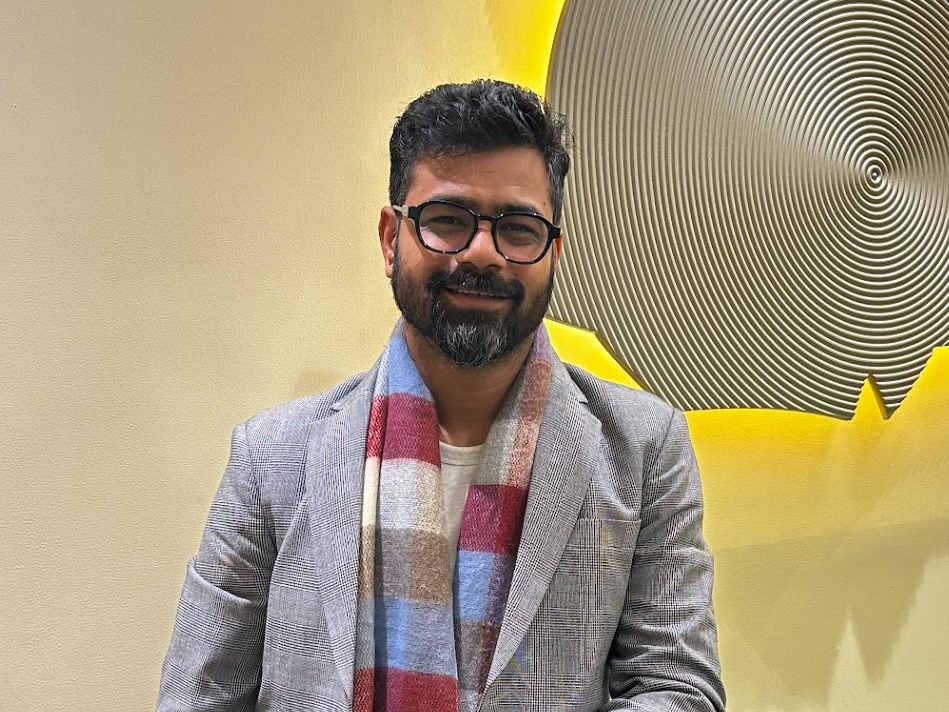
Ashish Saxena General Manager, Radisson Hotel Delhi MG Road At Radisson Hotel, Delhi MG Road, we believe food waste should not be accepted as the cost of delivering abundance. Our focus is to create a balance


Ashish Saxena
General Manager, Radisson Hotel Delhi MG Road
At Radisson Hotel, Delhi MG Road, we believe food waste should not be accepted as the cost of delivering abundance. Our focus is to create a balance between offering guests a wide variety of choices and operating responsibly. We work towards this through:
- Careful forecasting of guest numbers to avoid overproduction.
- Smart menu planning based on guest preferences and consumption patterns.
- Preparing food in smaller batches and replenishing buffets as needed.
- Monitoring food waste regularly to identify areas for improvement.
- Training our culinary and service teams on waste-conscious practices.
- Utilizing ingredients efficiently across menus while maintaining quality standards.
- Encouraging responsible portion sizes without compromising the guest experience.
- Exploring sustainable disposal and recycling practices wherever possible.
- Continuously reviewing operations to reduce waste while maintaining the abundance and variety guests expect.
For us, true hospitality is not about producing excess food, it is about delivering exceptional experiences in a responsible and sustainable manner.
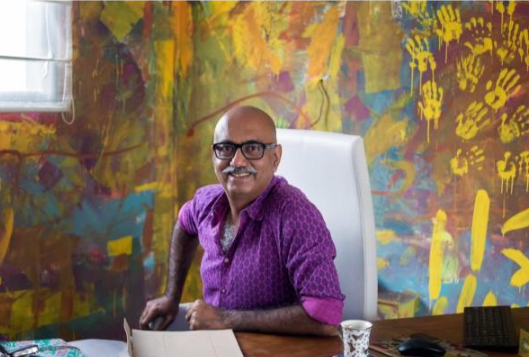
Pulkit Arora
Director, CYK Hospitalities
The hospitality sector has traditionally embraced abundance.
The success of a restaurant lies in a varied menu, abundant buffets, generous portions, and never hearing, “We are out of stock.”
This approach has shaped restaurant operations for years. Owners work closely with architects, consultants, accountants, recruitment firms, and HVAC professionals. Each contributes to a common objective: serving great food profitably and consistently.
Yet there is one question the industry has often overlooked: How much food waste are we willing to accept as the cost of delivering abundance?
Traditionally, the existence of waste has been regarded as an inevitable phenomenon in the hospitality industry. Waste resulting from excess stock, leftover buffet food, vegetable peels, spoilage, overproduction, and over-ordering was seen as a necessity. Companies gave significant attention to the quality of food and satisfaction of the guests while neglecting waste management issues that occurred after service delivery.
The logic was understandable. Food shortage might displease the guests or ruin the business’s reputation. It was always safe to produce more rather than less. Large menus ensured variety and choice.
But hidden behind this model is a high environmental and economic cost.
Every kilogram of wasted food represents wasted water, wasted energy, wasted transportation, wasted labor, and wasted agricultural resources. Long before food reaches a guest’s plate, an entire ecosystem of resources has already been invested in its production. When that food ends up in a bin, those resources are lost as well.
The challenge is not simply about disposing of waste responsibly. The real challenge is preventing waste from being created in the first place. This is where a new generation of restaurateurs is changing the conversation.
Instead of considering waste as an unavoidable cost, the forward-thinking hospitality industry is looking at waste minimization as a business function. It poses the following questions: What can we do to ensure the maximum use of every single piece of ingredient?
The process starts well before the ingredients reach the kitchen.
Demand-based purchasing ensures that the business purchases only what it requires. Menu design makes it easy to use ingredients for more than one dish. Production planning ensures less wastage. Kitchen teams are trained to maximize yield from every ingredient.
Vegetable peels become stocks. Herb stems turn into sauces and infusions. Excess bread finds itself as breadcrumbs, croutons, or dessert ingredients. Seasonally changing menus lessen reliance on long-stored items. Portion sizes are created based on consumption research rather than speculation.
Such an innovation doesn’t detract from the guest’s experience but only serves to improve efficiency and minimize the impact on the environment.
It is not just pre-service waste that gets more consideration now. Segregation, composting, food donations, biodigester technology, and collaboration with waste management companies are all part of modern hospitality. Waste, in other words, is being recognized for what it is – a valuable resource flow.
The most progressive hospitality companies understand that sustainability is not its own entity; rather, it is integrated into areas such as purchasing, menu planning, operations, staff training, engineering, compliance, and management.
The future of hospitality is not going to rest upon the excellence of the food served; it will also depend on the extent to which the hospitality company is responsible for the resourcefulness in producing the food. As technology advances, so too could our standard of excellence within the industry. The question we may need to ask ourselves is not how much food we produce but how efficiently we use the food we produce.
On this World Environment Day, the hospitality sector has an opportunity to rethink a long-standing assumption.
Excess is not necessary for abundance. A sustainable hospitality business creates lasting memories for its guests without compromising the ingredients involved in the process.
The issue is not that food waste occurs. The question is whether we are willing to continue accepting it as the price of hospitality, or whether we are ready to redefine hospitality itself.