Farmer-Centric Reforms, Quality Inputs and Food Security Take Centre Stage at Kharif 2026 Strategy Meet
Centre urges states to simplify agricultural processes, strengthen seed systems and accelerate implementation of key farm missions as India charts its next phase of agricultural growth India's agricultural policy agenda is increasingly shifting from production-focused targets
Centre urges states to simplify agricultural processes, strengthen seed systems and accelerate implementation of key farm missions as India charts its next phase of agricultural growth
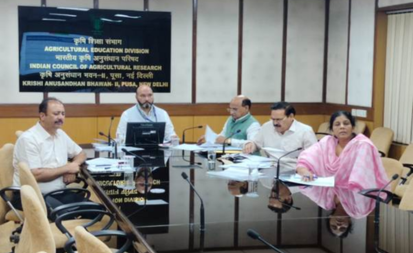
India’s agricultural policy agenda is increasingly shifting from production-focused targets to farmer-centric implementation, supply chain efficiency and sustainable growth, as the National Agriculture Conference – Kharif Campaign 2026 concluded its second day in New Delhi with a strong emphasis on reforms, quality inputs and coordinated action between the Centre and states.
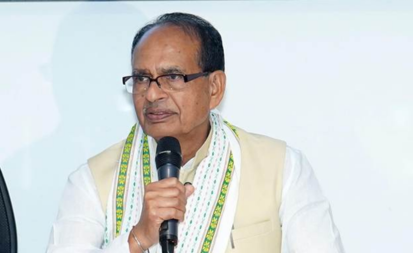
Addressing agriculture ministers, policymakers, scientists and farmer representatives from across the country, Union Agriculture and Farmers Welfare Minister Shri Shivraj Singh Chouhan outlined a comprehensive roadmap aimed at strengthening food security, improving farm profitability and enhancing agricultural resilience.
The conference highlighted the government’s growing focus on simplifying procedures, improving delivery mechanisms and ensuring that agricultural schemes translate into measurable benefits at the grassroots level.
Key Highlights
- Centre calls for farmer-friendly governance and removal of unnecessary procedural hurdles
- India records historic foodgrain production of 376.56 million tonnes
- States directed to strengthen seed distribution systems before Kharif sowing
- National seed reserve mechanism established for emergency situations
- Pulses, Oilseeds and Cotton Missions placed under renewed focus
- Khet Bachao Abhiyan to be conducted nationwide from June 1–30
- Strong action proposed against fake seeds and substandard pesticides
- Farmer ID, Soil Health Cards and fertiliser transparency prioritised
- Faster crop insurance settlements and expanded agricultural credit under discussion
- Horticulture and export-quality produce identified as future growth drivers
Team India Approach Shapes Agricultural Roadmap
The second day of the conference witnessed extensive participation from agriculture ministers and senior officials representing states across the country.
Describing the gathering as a meeting of India’s “Agriculture Team,” Shri Chouhan emphasised that future agricultural growth will depend on stronger collaboration between governments, scientists, agricultural institutions and farmers.
The discussions reflected a growing policy consensus that agricultural development requires not only higher production but also improved implementation, localised planning and faster decision-making.
Record Production Creates Momentum for the Next Growth Phase
The conference comes at a time when Indian agriculture is witnessing unprecedented production levels.
According to the latest estimates, India’s foodgrain production has reached approximately 376.56 million tonnes, the highest level recorded so far. The country continues to strengthen its position in rice production while registering significant progress in wheat, maize, pulses and oilseeds.
While acknowledging these achievements, policymakers stressed that future priorities must focus on nutritional security, farmer incomes, profitability and long-term sustainability.
Seed Quality and Availability Emerge as Key Priorities
One of the strongest messages from the conference centred on ensuring farmers receive quality seeds at the right time.
The Agriculture Ministry noted that despite sufficient seed availability nationally, distribution challenges often affect farmers during critical sowing periods. States have therefore been asked to improve procurement planning, strengthen delivery networks and ensure timely access to breeder and certified seeds.
The government has also established a national seed reserve mechanism designed to support regions facing adverse weather conditions or emergency situations.
At the same time, authorities signalled a tougher stance against counterfeit seeds and poor-quality agricultural inputs, with states being encouraged to strengthen monitoring and enforcement systems.
Sustainable Agriculture and Soil Health Gain Importance
Sustainability emerged as another key theme during the discussions.
The upcoming Khet Bachao Abhiyan, scheduled from June 1 to June 30, aims to promote balanced fertiliser use, improved soil health and greater awareness of scientific farming practices.
The campaign will involve scientists, public representatives, agricultural officials and farmers working together through village-level outreach programmes focused on nutrient management, quality inputs, modern technologies and government support schemes.
Officials believe better soil health management will play a crucial role in maintaining productivity while reducing environmental stress and input costs.
Digital Agriculture and Financial Inclusion in Focus
The conference also reviewed progress on digital agriculture initiatives, including Farmer ID implementation and the use of Soil Health Cards for targeted agricultural services.
Farmer IDs are expected to improve transparency, facilitate direct benefit delivery and help create a more efficient farmer support ecosystem.
Agricultural financing was another major area of discussion. The Centre acknowledged regional disparities in agricultural credit access and indicated that further engagement with banking institutions will be undertaken to improve credit availability, particularly in eastern and northeastern states.
The need for timely Kisan Credit Card approvals and farmer-friendly financing systems was also highlighted.
Horticulture and Value Addition Drive Future Opportunities
Recognising the growing importance of fruits and vegetables in India’s agricultural economy, policymakers emphasised the need to move beyond production growth and focus on quality enhancement.
The objective is to create stronger value chains capable of supporting exports, food processing and premium market segments.
Industry observers note that investments in horticulture can create significant opportunities across food manufacturing, hospitality, retail and tourism sectors while generating higher-value income streams for farmers.
Crop Insurance and Market Support Receive Attention
The conference also reviewed crop insurance implementation and procurement mechanisms.
Officials stressed the importance of timely compensation payments and stronger accountability among banks, insurance companies and implementing agencies.
For pulses and oilseeds, the Centre reiterated the importance of procurement support and schemes such as PM-AASHA to encourage farmers to expand cultivation and contribute to India’s self-reliance goals.
The discussions underscored the government’s broader objective of reducing import dependence while strengthening domestic production capabilities.
Why It Matters to Hospitality, Foodservice and Tourism
The policy directions emerging from the Kharif Campaign 2026 conference carry important implications for India’s hospitality, foodservice and tourism industries.
Greater emphasis on seed quality, agricultural productivity and horticulture development is expected to strengthen supply chains serving hotels, restaurants, catering operators and food manufacturers. Improved production of fruits, vegetables, pulses and oilseeds can contribute to more stable ingredient availability and potentially reduce supply disruptions.
The government’s focus on horticulture and export-quality produce also aligns with growing demand for farm-to-table dining, regional cuisine experiences and sustainable sourcing practices within the hospitality sector.
At the same time, stronger agricultural ecosystems and region-specific development strategies could create fresh opportunities for agri-tourism, farm stays, plantation experiences and culinary tourism. As travellers increasingly seek authentic local food experiences, investments in agriculture are becoming closely linked to destination development and tourism growth.
Industry Outlook
The second day of the National Agriculture Conference signals a shift towards implementation-driven agricultural governance, where farmer convenience, quality inputs, sustainability and market competitiveness are receiving greater attention.
With record foodgrain production providing a strong foundation, the government’s next challenge will be translating policy objectives into efficient execution at the field level. Success in these areas will not only influence agricultural growth but also shape the future of India’s food economy, hospitality sector, food processing industry and rural tourism landscape.