Agricultural Universities Push for Industry-Ready Education, Farm Innovation and Agribusiness Entrepreneurship
36th Vice Chancellors’ Conference in New Delhi focuses on technology-driven agriculture, field-level research and preparing youth as entrepreneurs and job creators Key Highlights Agricultural education to be assessed by its impact on farmers and field-level outcomes, rather
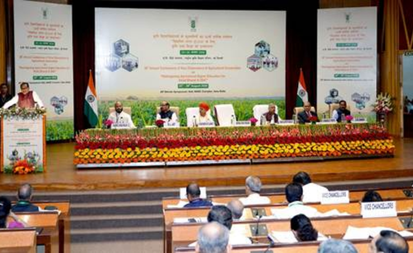
36th Vice Chancellors’ Conference in New Delhi focuses on technology-driven agriculture, field-level research and preparing youth as entrepreneurs and job creators
Key Highlights
- Agricultural education to be assessed by its impact on farmers and field-level outcomes, rather than degrees awarded.
- Government calls for stronger links between agricultural universities, ICAR, KVKs, FPOs, industry and farmers.
- Focus on preparing students for entrepreneurship, innovation and agribusiness, alongside employment.
- Conference discusses curriculum reforms, apprenticeships, internships, joint degrees and industry–academia partnerships.
- Technology Readiness Level (TRL) and demand-driven research to accelerate the movement of innovations from laboratories to farms.
- Greater emphasis on data-driven governance, accreditation, quality assurance and performance-based funding.
New Delhi conference focuses on future-ready agricultural education
The Government of India has called for a major transformation of agricultural higher education, with greater emphasis on practical skills, technology, entrepreneurship and solutions that directly benefit farmers.
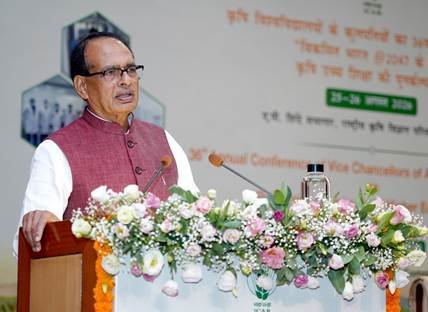
The call came at the 36th Annual Conference of Vice Chancellors of Agricultural Universities, inaugurated in New Delhi by Union Minister for Agriculture & Farmers’ Welfare and Rural Development Shivraj Singh Chouhan on August 25.
Held under the theme “Reimagining Agricultural Higher Education for Viksit Bharat@2047,” the two-day conference brings together Vice Chancellors of agricultural universities, senior officials of the Department of Agricultural Research and Education (DARE), ICAR officials, scientists and other stakeholders.
Agricultural education must deliver measurable farm-level impact
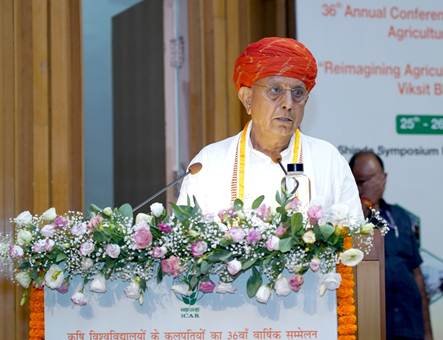
Chouhan said the success of agricultural education should not be judged simply by the number of degrees awarded, but by the knowledge, skills and tangible improvements generated for farmers.
He called for agricultural universities to become more practical and technology-driven and to work closely with the farming community.
A key focus is strengthening collaboration between agricultural universities, ICAR, Krishi Vigyan Kendras (KVKs), Farmer Producer Organisations (FPOs), industry and farmers so that research moves beyond laboratories and reaches the field.
The Minister also called for conferences and institutional programmes to produce clear resolutions, actionable roadmaps and measurable outcomes.
Youth to be prepared for agribusiness and entrepreneurship
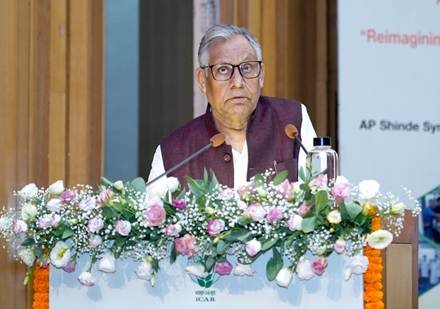
The conference placed significant emphasis on creating new opportunities for young people in agriculture.
Rather than preparing students solely for conventional employment, agricultural institutions are being encouraged to equip them to become entrepreneurs, innovators and job creators.
This approach could strengthen India’s emerging agribusiness ecosystem, particularly in areas such as agricultural technology, food processing, farm services, supply-chain management, sustainable agriculture and rural enterprises.
Minister of State for Agriculture & Farmers’ Welfare Bhagirath Choudhary stressed that India’s next phase of agricultural growth will require technology, innovation, research and entrepreneurship to attract more youth to the sector.
Minister of State Ram Nath Thakur similarly highlighted the need to modernise agricultural education and equip students with skills capable of addressing emerging challenges in agriculture.
Industry–academia partnerships gain focus
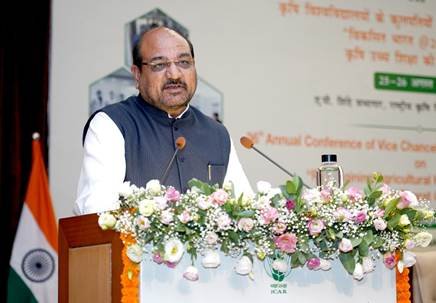
Secretary, DARE and Director General, ICAR Dr M.L. Jat said agricultural higher education needs to move from traditional models towards a skill-driven, innovation-led and future-ready ecosystem.
The conference discussed stronger industry–academia partnerships, demand-driven research, accreditation, data-based decision-making and closer integration of education, research and extension services.
Proposals include apprenticeships and internships, curriculum revision, dual and twinning programmes, joint degrees and academic exchanges.
The proposed introduction of Professors of Practice in agricultural universities is also aimed at bringing industry expertise and practical experience into classrooms.
Research to move from laboratories to farms
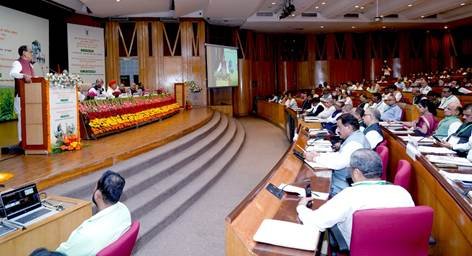
A major theme of the conference was improving the conversion of scientific research into practical agricultural technologies.
Participants discussed promoting Technology Readiness Level (TRL) within State Agricultural Universities to help move innovations closer to commercial and field-level application.
The conference also considered aligning Junior Research Fellowship and Senior Research Fellowship research with national priorities, along with greater emphasis on measurable research outcomes.
Student-centric reforms and rural exposure
The five-session conference covers 14 agenda items spanning student reforms, higher education, faculty development, institutional strengthening, quality enhancement, academic reforms, research and innovation.
Discussions included ICAR All India Quota counselling, admission systems, research fellowships and eligibility issues aimed at making agricultural education more accessible.
Strengthening Rural Agricultural Work Experience (RAWE) was highlighted as an important way to expose students to rural realities and connect academic learning with farmers and rural communities.
Participants also discussed creating a comprehensive agricultural education data ecosystem to support evidence-based planning and institutional decision-making.
Potential impact on food, hospitality and tourism
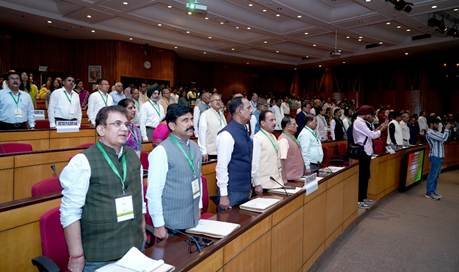
The agricultural education reforms could have implications well beyond farming, particularly for India’s food, hospitality, tourism and rural economy.
A stronger pipeline of trained agribusiness professionals could support the hospitality sector through improved food supply chains, farm-to-hotel sourcing, food processing, cold-chain management and agricultural procurement.
For hotels and restaurants, stronger links between farmers, FPOs and food businesses could eventually support more organised sourcing of fresh produce and regional ingredients. This could also benefit the growing farm-to-table and locally sourced food segments.
The emphasis on entrepreneurship and innovation could create new businesses around food technology, sustainable agriculture, rural tourism, agri-experiences and culinary supply chains.
For tourism, stronger rural engagement and agricultural entrepreneurship could contribute to the development of farm tourism, rural tourism and experiential travel, particularly in destinations where agriculture and local food traditions are important parts of the visitor experience.
The push for practical agricultural education could therefore help create a more integrated ecosystem connecting farms, food businesses, hospitality operators and tourism destinations.
Towards outcome-driven agricultural institutions
The conference’s discussions point towards a broader shift in India’s agricultural education system—from degree-oriented institutions to outcome-driven ecosystems combining education, research, innovation, industry and rural engagement.
The government is seeking stronger quality assurance, institutional accountability, data-driven governance and research aligned with national priorities as agricultural universities prepare to support the country’s longer-term Viksit Bharat@2047 vision.