DARE–ICAR Strengthens Cleanliness and Sustainable Waste Management Across Research Institutes Under Special Campaign 6.0
Nationwide initiative focuses on e-waste disposal, waste segregation, office-space improvement, digitisation and environmental sustainability across ICAR campuses Key Highlights: Department of Agricultural Research and Education (DARE) and ICAR are intensifying cleanliness and workplace improvement activities under Special
Nationwide initiative focuses on e-waste disposal, waste segregation, office-space improvement, digitisation and environmental sustainability across ICAR campuses
Key Highlights:
- Department of Agricultural Research and Education (DARE) and ICAR are intensifying cleanliness and workplace improvement activities under Special Campaign 6.0.
- Focus on segregation of metal, plastic and general waste, along with responsible electronic waste disposal.
- Institutes undertaking scrap disposal, record digitisation, plantation and reuse of usable materials.
- Cleaning drives extended to research farms, fields, roads, corridors and surrounding campus areas.
- Free medical camps and felicitation of sanitation workers (Safai Mitras) organised at several campuses.
- ICAR-CITH Srinagar showcases cleanliness improvements, e-waste management and waste-to-wealth initiatives.
DARE–ICAR Expands Cleanliness and Sustainability Initiatives Across Campuses
The Department of Agricultural Research and Education (DARE) and the Indian Council of Agricultural Research (ICAR) are intensifying cleanliness, waste-management and office-space improvement activities across their institutes under Special Campaign 6.0.
The campaign focuses on improving workplace hygiene, promoting responsible waste disposal, encouraging the reuse of usable materials and strengthening environmental awareness among employees, farmers and local stakeholders.
Activities are being undertaken across ICAR institutes and their campuses, covering office premises, research facilities, agricultural farms, surrounding roads and public spaces.
Waste Segregation and E-Waste Management Take Centre Stage
A major focus of Special Campaign 6.0 is the systematic segregation and responsible handling of different categories of waste.
Institutes are separating metal and plastic waste from general waste to improve disposal practices and maintain cleaner surroundings.
Other key activities include:
- Electronic waste management and responsible disposal.
- Scrap identification and disposal.
- Reuse of usable materials under waste-to-wealth initiatives.
- Identification and cleaning of black spots around institute premises.
- Plantation and environment-friendly activities.
- Cleaning and organisation of office corridors and common spaces.
The initiative also encourages better resource utilisation and awareness of sustainable waste-management practices.
Office Digitisation and Better Workplace Management
Beyond physical cleanliness, the campaign includes administrative improvements such as record management, digitisation of official documents and enhancement of office spaces.
Cleaning drives have been conducted across different branches and departments, with particular attention to corridors, common areas and surrounding campus infrastructure.
The objective is to create cleaner, more organised and efficient working environments while improving institutional housekeeping practices.
ICAR-CITH Srinagar Showcases Cleanliness and Waste-to-Wealth Activities
The Indian Council of Agricultural Research’s Central Institute of Temperate Horticulture (ICAR-CITH), Srinagar, is among the institutes showcasing activities under the campaign.
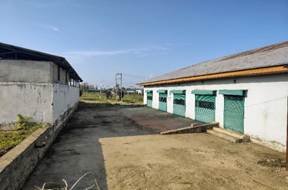
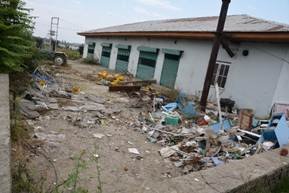
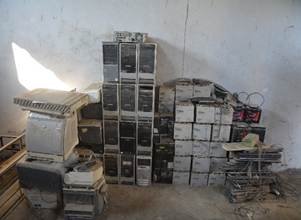
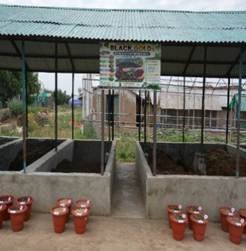
The PIB release highlights before-and-after cleanliness improvements, e-waste management and waste-to-wealth activities at the institute.
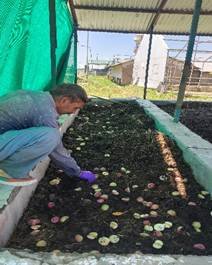
These initiatives demonstrate the campaign’s emphasis on combining improved campus hygiene with responsible resource management.
Medical Camps and Recognition of Safai Mitras
Special Campaign 6.0 also includes community-oriented activities across several ICAR campuses.
Free medical camps have been organised at various locations, while sanitation workers, known as Safai Mitras, have been felicitated for their contribution.
The participation of officials at different administrative levels has also supported cleanliness activities both within institute premises and in surrounding areas.
Awareness programmes are being conducted to encourage employees, farmers and local communities to adopt better hygiene and waste-management practices.
Impact on Hospitality, Hotels and Travel & Tourism
The cleanliness and waste-management initiatives undertaken by DARE–ICAR have relevance for the wider hospitality and tourism industry, where hygiene, environmental responsibility and efficient resource management are important operational priorities.
1. Sustainable Waste Management for Hotels and Restaurants
Waste segregation, responsible disposal and material reuse are practices that can also be adopted by hotels, restaurants, catering facilities and institutional kitchens to improve waste-management efficiency.
2. E-Waste Management in Hospitality Operations
Hotels and tourism establishments regularly upgrade electronic equipment, including computers, televisions, communication systems and other electrical appliances. Responsible e-waste management offers an important opportunity to strengthen environmentally sustainable operations.
3. Cleaner Campuses and Tourist Destinations
The campaign’s emphasis on identifying and cleaning neglected areas, maintaining roads and improving public surroundings reflects practices relevant to tourism destinations, public institutions and hospitality facilities.
4. Sustainable Tourism and Environmental Awareness
Plantation, waste reduction and community participation can contribute to broader sustainable tourism objectives. Similar initiatives across hotels, resorts and tourism destinations can help improve environmental awareness among employees and visitors.
5. Better Workplace Hygiene and Employee Well-being
The focus on organised workspaces, cleanliness and medical camps highlights the importance of employee well-being and hygiene, which are also essential elements of hospitality operations.
Strengthening Institutional Cleanliness and Environmental Responsibility
Through Special Campaign 6.0, DARE and ICAR are promoting a combination of cleanliness, administrative efficiency, waste segregation and environmental responsibility across their nationwide institutional network.
The initiative reinforces the importance of collective participation, responsible resource utilisation and sustainable workplace practices while encouraging employees and local stakeholders to make cleanliness an ongoing priority.