Khet Bachao Abhiyan–Rabi 2026: ICAR Scientists Promote Sustainable Farming and Improved Crop Management Across Rural Delhi
Nationwide campaign running from October 22 to November 30 brings agricultural experts directly to farmers, focusing on wheat and mustard cultivation, balanced fertiliser use, soil health and natural farming Key Highlights: Khet Bachao Abhiyan–Rabi 2026 is being
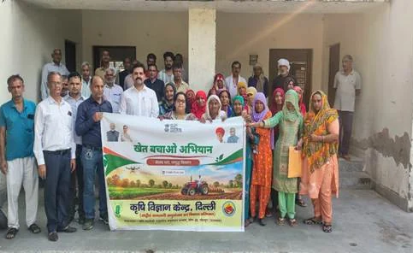
Nationwide campaign running from October 22 to November 30 brings agricultural experts directly to farmers, focusing on wheat and mustard cultivation, balanced fertiliser use, soil health and natural farming
Key Highlights:
- Khet Bachao Abhiyan–Rabi 2026 is being conducted nationwide from October 22 to November 30, 2026.
- KVK Ujwa, Delhi, has selected 25 locations across South-West, North-West and North Delhi for farmer awareness programmes.
- Scientists from ICAR and the Indian Agricultural Research Institute (IARI), Pusa, are participating in village-level interactions.
- Farmers receive guidance on improved wheat varieties, mustard crop protection and timely rabi-season operations.
- Campaign promotes soil health conservation, balanced fertilisation, natural farming and efficient agricultural resource management.
- Improved agricultural practices could support more reliable food sourcing for food processing, hotels and restaurants.
Nationwide Campaign Brings Agricultural Science Directly to Farmers
The Ministry of Agriculture and Farmers’ Welfare is implementing Khet Bachao Abhiyan–Rabi 2026 across the country from October 22 to November 30, 2026, to strengthen farmers’ access to scientific agricultural knowledge, modern technologies and government schemes.
The campaign is being conducted through the Ministry’s two departments, with a focus on improving rabi crop management, increasing agricultural productivity and encouraging the adoption of sustainable farming practices.
Under the initiative, agricultural scientists are visiting villages and farmers’ fields to translate research-based knowledge into practical farming solutions under the ‘Lab to Land’ approach.
KVK Ujwa Selects 25 Locations Across Rural Delhi
As part of the nationwide initiative, Krishi Vigyan Kendra (KVK), Ujwa, Delhi, is conducting special farmer awareness programmes across rural areas of the National Capital Territory.
A total of 25 locations have been selected across the South-West, North-West and North districts of Delhi to facilitate direct interaction between farmers and agricultural experts.
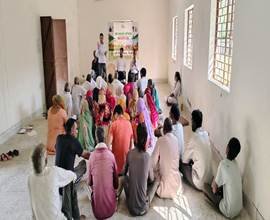
Each campaign team comprises four to five subject-matter experts, scientists, departmental officials and innovative farmers. Senior scientists from the Indian Agricultural Research Institute (IARI), Pusa, New Delhi, are also participating by sharing the latest agricultural technologies and research-based recommendations.
The programmes aim to bridge the gap between agricultural research and its practical application at the village level.
Qazipur Programme Focuses on Rabi Crop Preparation
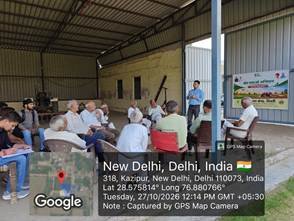
On October 27, 2026, KVK Ujwa organised a farmer awareness programme in Qazipur village, focusing on preparations for the forthcoming rabi season.
Scientists highlighted the importance of:
- Conserving soil health and maintaining soil fertility.
- Undertaking agricultural operations at the appropriate time.
- Applying fertilisers in a balanced manner according to soil health and crop requirements.
- Adopting natural farming practices.
- Using agricultural resources and inputs efficiently.
Farmers were encouraged to make informed decisions about fertiliser and input applications to maintain soil productivity and support sustainable agricultural production.
Improved Wheat Varieties and Mustard Crop Protection
The programme provided farmers with guidance on improved, high-yielding wheat varieties and appropriate crop-management practices for the upcoming season.
Special attention was also given to mustard cultivation, with scientists explaining the importance of regular crop monitoring, early identification of pests and diseases, and timely adoption of suitable management measures.
These interventions are intended to minimise potential crop damage, protect crop health and improve farm productivity.
Natural Farming and Soil Conservation Remain Key Priorities
The campaign also emphasised sustainable agricultural practices, including natural farming, conservation of natural resources and balanced nutrient management.
Farmers were encouraged to use locally available resources judiciously and adopt environmentally responsible farming technologies that support long-term soil fertility and improve resource-use efficiency.
Through direct interaction between scientists and farming communities, Khet Bachao Abhiyan seeks to encourage the practical adoption of scientific agricultural techniques and strengthen sustainable farming at the village level.
Impact on Hospitality, Food Processing and Travel & Tourism
The campaign’s focus on improved wheat and mustard cultivation has relevance beyond agriculture, particularly for the food processing, restaurant and hospitality sectors.
1. Wheat Supply for Hotels, Restaurants and Food Businesses
Improved wheat varieties and better crop management could contribute to agricultural productivity and strengthen the availability of wheat for flour mills, bakeries, hotels, restaurants and institutional catering businesses.
2. Opportunities for Food Processing
Wheat is a key raw material for bakery products, packaged foods, pasta and other processed food categories. More efficient cultivation and improved crop management could support the wider food processing supply chain.
3. Mustard Production and the Edible Oil Industry
Improved mustard crop monitoring and pest management could help protect production and support the availability of mustard seed for edible oil processing. This has relevance for restaurants, hotels and commercial kitchens that depend on edible oils.
4. Sustainable Food Sourcing
The emphasis on soil health, natural farming and balanced fertiliser use aligns with the growing importance of sustainable agricultural sourcing. Over time, these practices could support food businesses seeking more responsible and resource-efficient supply chains.
5. Rural and Agricultural Tourism
The promotion of scientific and sustainable farming practices can also contribute to awareness of agricultural livelihoods and rural development. Such initiatives may complement future farm-based tourism and rural experience opportunities.
While the campaign does not announce direct hospitality or tourism projects, improvements in agricultural productivity and food supply systems can have wider implications for India’s hospitality ecosystem.
Strengthening the Lab-to-Land Approach
Khet Bachao Abhiyan–Rabi 2026 reinforces the government’s efforts to connect agricultural research with farmers’ practical requirements. Through village-level awareness programmes, scientific guidance and direct field interactions, the initiative aims to improve crop management, conserve soil resources and promote sustainable agricultural production.
The campaign will continue until November 30, 2026, with the broader objective of strengthening agricultural productivity and supporting farmers’ prosperity.