India Targets 30 Million Tonnes of Fish Production in Five Years, Advances National Plan for Inland Fisheries
Centre launches development phase of National Plan of Action for Inland Small-Scale Fisheries; focus on sustainable aquaculture, fisher livelihoods, value addition and climate resilience Key Highlights 30 million tonnes production target: India aims to increase annual fish
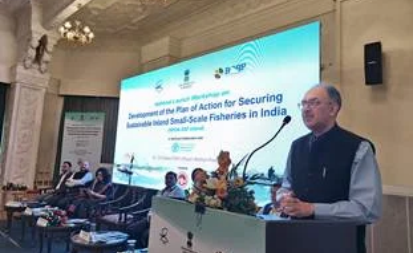
Centre launches development phase of National Plan of Action for Inland Small-Scale Fisheries; focus on sustainable aquaculture, fisher livelihoods, value addition and climate resilience
Key Highlights
- 30 million tonnes production target: India aims to increase annual fish production to 30 million tonnes over the next five years.
- Seafood export ambition: Exports are expected to reach ₹1.25 lakh crore, according to the Union Fisheries Secretary.
- National action plan advances: India has entered the development phase of its National Plan of Action (NPOA) for inland small-scale fisheries under the Food and Agriculture Organization (FAO) framework.
- Livelihoods and sustainability: The plan will address fishing rights, employment, gender equality, climate risks and post-harvest value chains.
- Hospitality and food industry opportunities: Stronger fish supply chains and post-harvest infrastructure could support seafood sourcing for hotels, restaurants, catering businesses and food processors.
India Advances National Action Plan for Inland Small-Scale Fisheries
India has moved into the development phase of a dedicated National Plan of Action (NPOA) for inland small-scale fisheries, with the government focusing on sustainable freshwater resource management, improved livelihoods and stronger market linkages.
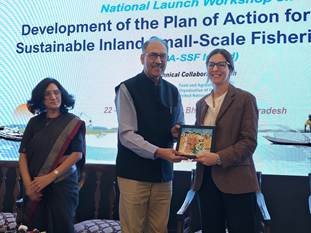
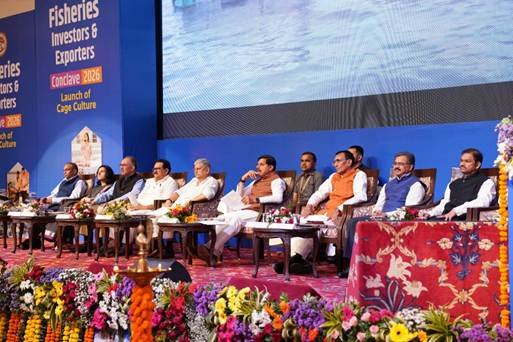
Dr. Abhilaksh Likhi, Secretary, Department of Fisheries, Government of India, formally launched the development phase on 23 October 2026 during a two-day national workshop in Bhopal, Madhya Pradesh.
The initiative is being led by the Department of Fisheries in collaboration with the Bay of Bengal Programme Inter-Governmental Organisation (BOBP-IGO), under the framework of the United Nations Food and Agriculture Organization (FAO).
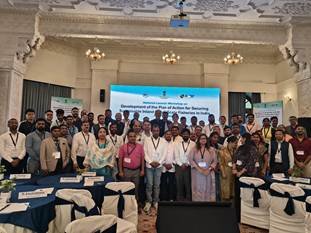
The workshop brought together fisheries experts and stakeholders to identify priorities for the action plan and establish a framework for consultations with fishing communities across the country.
Dr. Likhi called for a mission-mode outreach programme to ensure that the proposed plan translates into practical improvements in fishers’ livelihoods. He emphasised that production growth must be accompanied by sustainable resource management, stronger value chains and better incomes for small-scale fishing communities.
Fish Production Target Set at 30 Million Tonnes
India has set a target of achieving 30 million tonnes of annual fish production over the next five years, while seafood exports are expected to reach ₹1.25 lakh crore, Dr. Likhi stated at the workshop.
India’s annual fish production currently stands at approximately 19.7 million tonnes, with inland fisheries contributing around three-fourths of the total. Seafood exports have crossed ₹70,000 crore, according to the Secretary’s remarks.
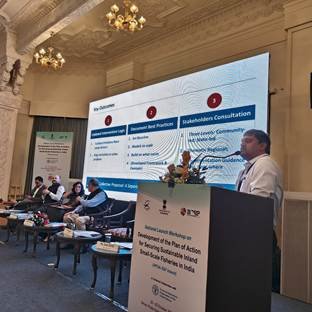
The proposed action plan seeks to ensure that the expansion of fisheries production and exports also benefits small-scale fishers, who depend on inland water resources for their livelihoods.
The government has highlighted the importance of improving access to markets, strengthening post-harvest infrastructure and supporting fishing communities as the sector expands.
Climate Resilience and Freshwater Resource Management in Focus
Climate change and deteriorating water quality have emerged as key concerns for inland fisheries. Dr. Likhi highlighted declining oxygen levels in water bodies as one of the challenges affecting the sector.
The proposed action plan will seek to incorporate climate-resilience measures and draw on the experience of fishing communities dealing directly with changing environmental conditions.
The framework will cover fisheries across rivers, canals, reservoirs, lakes, floodplain wetlands, tanks and coldwater systems. Its proposed priorities include:
- Fishing rights and sustainable resource management.
- Employment opportunities and decent working conditions.
- Gender equality and the participation of fishing communities.
- Stronger value chains and post-harvest trade.
- Disaster-risk reduction and climate adaptation.
Dr. Likhi also noted that India’s diverse inland fisheries ecosystems could provide opportunities for the FAO to support region-specific approaches and share lessons with other geographies.
Stakeholder Consultations to Shape the Final Plan
The development phase will include consultations with fishing communities and other stakeholders to ensure that the proposed measures reflect regional conditions and practical requirements.
Dr. P. Krishnan, Director of BOBP-IGO, said the plan would address issues ranging from fishing rights and employment to value addition, post-harvest trade and climate risks.
Madhya Pradesh Fisheries Secretary Swantantra Kumar Singh, Joint Secretary Dr. Gunjan Krishna and FAO Project Officer Giulia Gorelli also addressed the workshop.
According to the PIB release, the plan is expected to be finalised following stakeholder consultations before its planned public launch in November 2026, followed by implementation.
Impact on Hospitality, Hotels and the Food-Service Industry
The proposed action plan could have implications for India’s hospitality and food sectors by strengthening the sustainability and commercial organisation of inland fish supply chains.
1. More reliable freshwater fish sourcing
Improved fisheries management and stronger market connections could help hotels, restaurants, resorts and catering companies access freshwater fish through more organised supply networks. The actual impact will depend on implementation and local supply conditions.
2. Opportunities for value-added fish products
The focus on post-harvest trade and value chains could support the development of processed, packaged and ready-to-cook fish products. These formats may offer commercial kitchens more convenient sourcing and preparation options.
3. Support for regional cuisine and food tourism
Inland fisheries across different states offer opportunities to incorporate locally sourced freshwater fish into regional menus. Hotels, homestays and restaurants could use local fish dishes to complement destination dining and regional culinary experiences.
4. Stronger links between producers and food businesses
Improved market access and post-harvest systems could help connect fishing communities with processors, distributors and institutional buyers, including hospitality businesses.
5. Greater emphasis on sustainable sourcing
The action plan’s focus on climate resilience and responsible resource management could encourage greater attention to the long-term sustainability of freshwater fish supplies. Hospitality businesses could benefit from stronger sourcing relationships as these systems develop.
These are potential opportunities rather than confirmed outcomes. Their realisation will depend on the final action plan, implementation measures, infrastructure development and participation by producers and buyers.
Balancing Fisheries Growth with Small-Scale Livelihoods
India’s proposed National Plan of Action for inland small-scale fisheries seeks to connect production and export ambitions with the welfare of fishing communities and the sustainable use of freshwater resources.
For the hospitality and food-processing sectors, stronger inland fisheries value chains could expand sourcing opportunities and support regional food businesses. For fishing communities, the plan’s emphasis on employment, gender equality, market access and climate resilience is intended to ensure that sectoral growth translates into improved livelihoods.
The next phase will depend on stakeholder consultations and the implementation of measures that balance commercial development with the long-term health of inland fisheries ecosystems.