Uttarakhand’s Trout Farming Roadmap Targets Hospitality, Value-Added Seafood and Himalayan Exports
Centre reviews Pithoragarh Coldwater Fisheries Cluster; focus on ITBP procurement, cold-chain infrastructure, trout processing and stronger market linkages across Himalayan states Key Highlights Uttarakhand leads Himalayan trout exports: The state has exported trout to Nepal and supplies
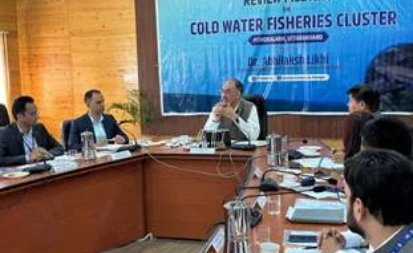
Centre reviews Pithoragarh Coldwater Fisheries Cluster; focus on ITBP procurement, cold-chain infrastructure, trout processing and stronger market linkages across Himalayan states
Key Highlights
- Uttarakhand leads Himalayan trout exports: The state has exported trout to Nepal and supplies the Indo-Tibetan Border Police (ITBP), according to the Department of Fisheries.
- Five-year development roadmap: The National Fisheries Development Board (NFDB) reviewed production and post-production gaps in the Pithoragarh Coldwater Fisheries Cluster.
- Value-added trout products gain traction: A woman fish farmer reported daily sales of approximately ₹5,000 from fish balls, fish fingers and fish momos.
- Cold-chain infrastructure in focus: The Centre called for cold storage facilities near airports and railway stations to improve transportation and export opportunities.
- Hospitality sector opportunities: Better processing, storage and supply chains could support hotels, restaurants, resorts and food tourism businesses across Uttarakhand and other Himalayan destinations.
Centre Reviews Pithoragarh Coldwater Fisheries Cluster
The Department of Fisheries has outlined a roadmap to strengthen trout farming across the Himalayan region, with a focus on market access, value addition, cold-chain infrastructure and institutional procurement.
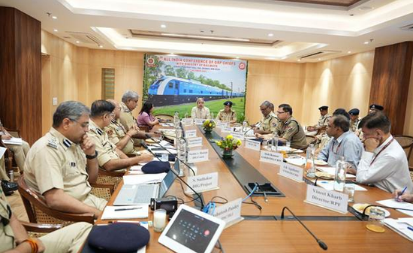
Dr. Abhilaksh Likhi, Secretary, Department of Fisheries, Ministry of Fisheries, Animal Husbandry and Dairying, chaired a review meeting on the Pithoragarh Coldwater Fisheries Cluster at the Collectorate in Pithoragarh, Uttarakhand, on 19 October 2026.
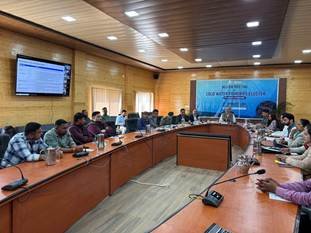
The meeting brought together representatives from the Indo-Tibetan Border Police (ITBP), National Fisheries Development Board (NFDB), Indian Council of Agricultural Research (ICAR), Marine Products Export Development Authority (MPEDA), NABARD, the Ministry of Food Processing Industries and the Uttarakhand government, alongside trout farmers and other stakeholders.
Pithoragarh has been notified as a Coldwater Fisheries Cluster under the Government of India’s fisheries cluster programme, which covers 34 clusters nationwide. The initiative aims to strengthen fisheries production, improve farmer incomes and develop more efficient supply chains in regions suited to coldwater aquaculture.
Trout Farmers Seek Better Prices and Lower Production Costs
During the meeting, Pithoragarh District Magistrate Ashish Kumar Bhatgain highlighted the need to improve market linkages, promote trout processing and secure better prices for fish farmers. The district administration committed to working with the Department of Fisheries to address these challenges.
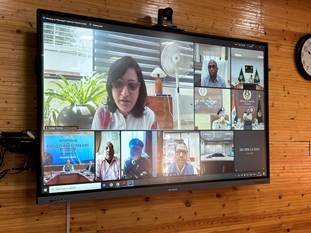
Farmers raised concerns over the availability of quality fish feed at affordable prices, access to training and capacity building, and the price received for trout supplied to institutional buyers. One farmer from Munsiyari noted that ITBP procurement rates were challenging given the high costs of feed and transportation.
These issues remain important for the commercial viability of trout farming. Better coordination across production, processing, storage and distribution could help reduce losses and improve returns for farmers.
Value-Added Trout Products Create New Food Business Opportunities
An important highlight of the review was the experience of Rekha Joshi, a woman fish farmer who has expanded into value-added trout products, including fish balls, fish fingers and fish momos. She reported daily sales of approximately ₹5,000 from these products.
Her experience illustrates the potential to move beyond the sale of fresh fish towards processed and ready-to-cook products. Such products can open additional market channels, particularly where consistent refrigeration, packaging, food safety and distribution systems are available.
For the hospitality industry, locally processed trout could offer opportunities for menu innovation and regional food specialities. Hotels, restaurants, cafés, resorts and catering businesses could explore trout-based dishes and locally sourced seafood products as part of their Himalayan culinary offerings.
However, scaling these opportunities will require reliable supplies, appropriate processing facilities, quality assurance and commercially viable distribution networks.
Cold-Chain Infrastructure and Airport Connectivity in Focus
Dr. Likhi emphasised the need to strengthen the entire trout value chain, from seed availability and feed supply to production, processing and market access. He also called for detailed project reports covering future pre-production, production and post-production requirements to be submitted to NFDB.
A key priority is the development of cold storage facilities near airports and railway stations to facilitate the movement of trout to domestic and international markets.
Improved cold-chain connectivity could help producers reach buyers beyond remote mountain districts, including urban hospitality markets and export destinations. Better post-harvest handling and temperature-controlled transportation would also support product quality and reduce the risk of spoilage.
For Uttarakhand’s tourism economy, this infrastructure could make it easier for hotels and restaurants to source trout consistently, while creating opportunities for specialised food suppliers and regional seafood businesses.
ITBP Procurement Could Expand Across Himalayan States
The Union Secretary encouraged other Himalayan states to explore agreements for supplying trout to ITBP and other armed forces in coordination with the Department of Fisheries.
ITBP Additional Director General Sanjay Kumar Gunjyal highlighted significant trout requirements in northeastern states, including Sikkim and Arunachal Pradesh.
Expanding institutional procurement could provide farmers with more predictable demand, subject to suitable pricing, supply capacity and procurement arrangements. A cooperative-led approach could help aggregate production from smaller farms and improve their ability to serve large buyers.
The meeting also emphasised greater participation by start-ups and entrepreneurs in coldwater fisheries clusters, creating scope for businesses involved in fish processing, logistics, packaging, cold storage and market development.
MPEDA and ICAR Highlight Export Readiness and Scientific Support
P. Jawahar, Chairman of MPEDA, stressed the importance of farmer training and capacity building, particularly in post-harvest handling, quality assurance, processing and value addition. These interventions are essential to improve product competitiveness and access to domestic and international markets.
J. K. Jena, Deputy Director General (Fisheries Science), ICAR, highlighted the role of research and technical support in promoting scientific aquaculture practices, strengthening farmers’ skills and ensuring the sustainable development of coldwater fisheries.
NFDB also presented a roadmap for the cluster’s next five years, identifying gaps across pre-production and post-production activities.
Impact on Hotels, Restaurants and Himalayan Tourism
The proposed development roadmap has potential implications for Uttarakhand’s hospitality and tourism businesses.
1. Stronger farm-to-table sourcing: Improved production and distribution could help hotels, resorts and restaurants source locally farmed trout, supporting regional cuisine and destination dining.
2. New opportunities for food entrepreneurs: Processed trout products such as fish fingers, fish balls and fish momos could create opportunities for local food manufacturers, caterers, cafés and ready-to-cook brands.
3. Culinary tourism and destination branding: Trout-based food experiences could complement Uttarakhand’s nature tourism, homestays and mountain hospitality offerings, helping businesses differentiate their menus through regional ingredients.
4. Better supply reliability: Cold storage and improved transport links could help hospitality businesses manage seasonal demand and access fish from production centres farther away.
5. Local employment and enterprise development: Stronger cooperatives, processing units and logistics networks could generate additional livelihood opportunities in mountain communities and diversify income sources linked to tourism.
These outcomes will depend on investment in infrastructure, consistent quality standards, viable procurement prices and stronger coordination between farmers, processors, transport operators and hospitality buyers.
A Coordinated Push for Sustainable Coldwater Fisheries
The Pithoragarh review signals a broader effort to develop coldwater fisheries as a commercially viable sector across the Himalayan region. By addressing production constraints and strengthening processing, storage, institutional procurement and export readiness, the proposed roadmap seeks to improve the long-term prospects of trout farmers.
For the hospitality and travel sectors, the opportunity lies in building stronger connections between Himalayan producers and tourism-facing businesses. With suitable infrastructure and market partnerships, trout farming could support regional food entrepreneurship, locally sourced menus and more diversified visitor experiences across Uttarakhand and other Himalayan destinations.