Exploring the “Ruta de Vino” with Baja California Tourism
A guide to the wine valleys that make up Mexico's wine country, just 90 minutes from San Diego Baja California, Mexico (October 7, 2026) – Valle de Guadalupe has deservedly become one of Baja California's best-known

A guide to the wine valleys that make up Mexico’s wine country, just 90 minutes from San Diego
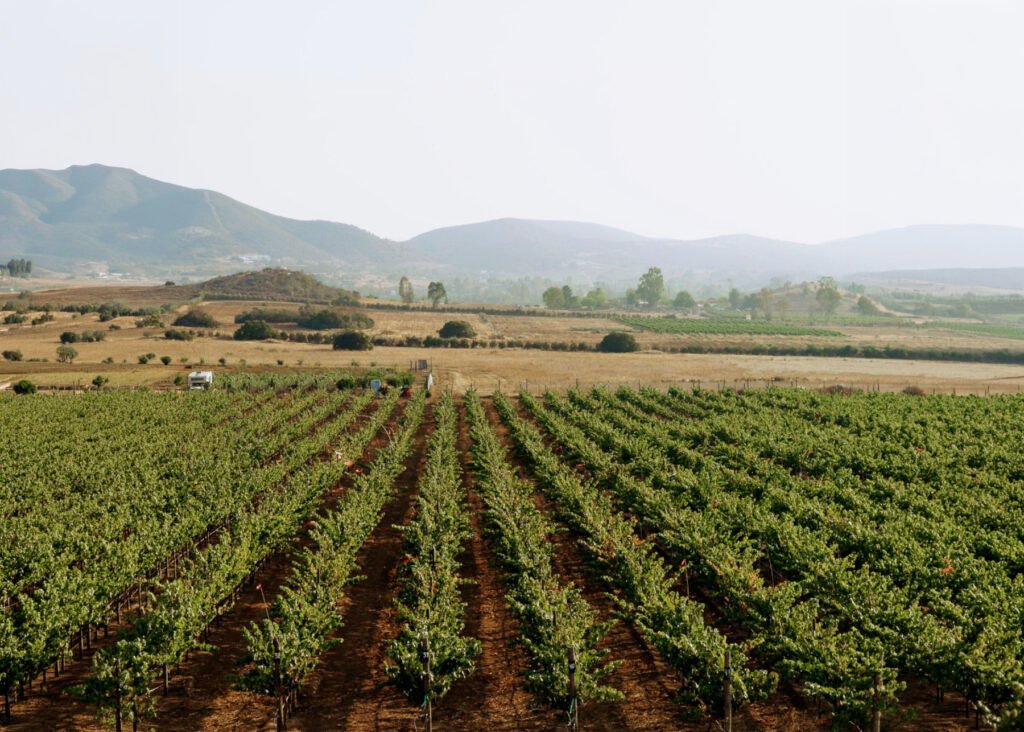
Baja California, Mexico (October 7, 2026) – Valle de Guadalupe has deservedly become one of Baja California’s best-known destinations, home to a new generation of independent winemakers, design-forward stays, and a dining scene that helped define modern Baja cuisine. Less known is that it is only one of wine valleys along the Ruta del Vino, which together account for roughly 70% of Mexico’s wine production. With more than 150 wineries and more than two centuries of winemaking, the region offers the depth of an established wine destination just 90 minutes from San Diego.
Baja California Tourism makes exploring it easy for wine lovers. Its wine tourism guide organizes the region into clear routes, including the North Gate of the Wine in Tecate, El Valle de Guadalupe, the Old Wine Route, and the Cheese and Wine Route in the Ojos Negros Valley, so visitors can choose between world-class tastings, historic vineyards, or artisanal cheese pairings. The guide also covers practical planning: how to book through specialist tour operators, reserve directly with wineries, or build a self-guided itinerary.
For more information and tips on planning a wine route, visit: https://www.bajacalifornia.travel/en/rutas-turisticas/rutas-enoturisticas
Key stops on the Ruta de Vino:
Tanamá (Tecate): The northern gateway to the route, and its highest and coolest terroir. Wine here sits alongside mountain and ranch country, in a town that is the only Pueblo Mágico on the U.S.–Mexico border.
Ojos Negros: The state’s highest valley, and its dairy country as much as its wine country, with a cheesemaking tradition dating to the early 1900s. The state promotes it as a dedicated Cheese and Wine Route.
Santo Tomás: The region’s historic heart, where Dominican missionaries were making wine by the late 1790s and Baja’s first commercial winery followed in 1888. It anchors the Antigua Ruta del Vino, considered the first wine route in Mexico.
San Vicente and San Jacinto: The southern reaches of the route, and the most coastal, close enough to the Pacific that ocean fog shapes the fruit. San Vicente’s mission predates Santo Tomás, making it the region’s oldest viticultural site, and San Jacinto is the newest, where growers have turned from table grapes to wine within the last generation. Both are still working farmland, and largely undiscovered.
La Grulla: Surrounded by Pacific air moving through the Cañón de las Ánimas, and a valley that has only recently turned from ranching to vines.
Together, they make the case for Baja California as a wine country best experienced as a route rather than a single stop, and one within driving distance of Southern California.
For more information about Baja California, please visit https://www.bajacalifornia.travel/en.