Shivraj Singh Chouhan Calls for Sustained Cleanliness Drive, Highlights Waste Management and Public Participation
Agriculture and Rural Development Ministries Prepare October Special Campaign to Clear E-Waste, Dispose of Scrap, Reduce Pendency and Improve Office Space Utilisation Union Agriculture and Farmers’ Welfare and Rural Development Minister Shivraj Singh Chouhan has called
Agriculture and Rural Development Ministries Prepare October Special Campaign to Clear E-Waste, Dispose of Scrap, Reduce Pendency and Improve Office Space Utilisation
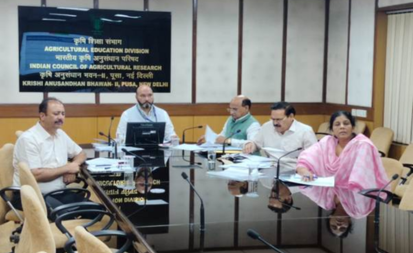
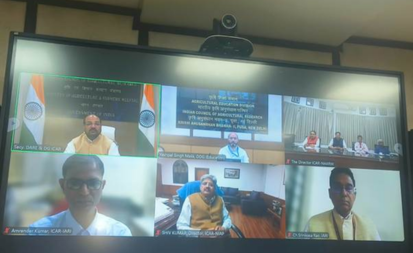
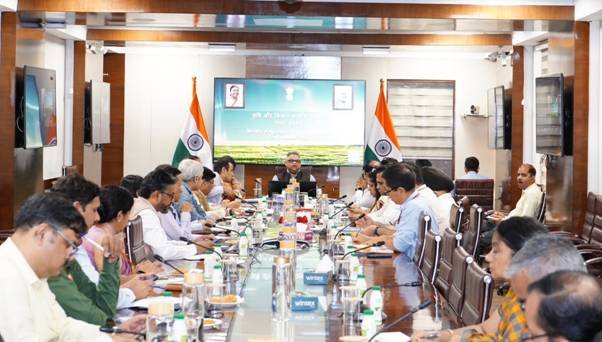
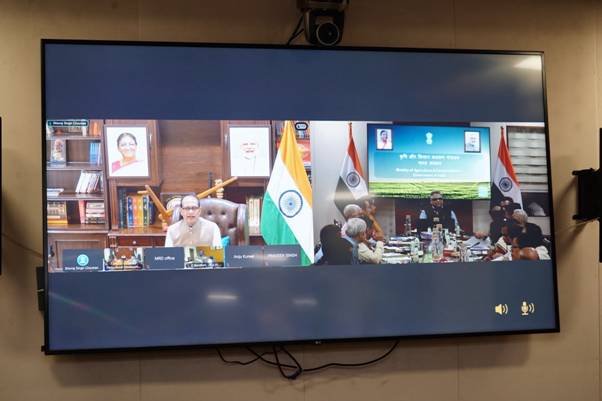
Union Agriculture and Farmers’ Welfare and Rural Development Minister Shivraj Singh Chouhan has called for making cleanliness a part of everyday public behaviour rather than restricting it to designated campaigns. During a virtual meeting with senior officials of the Ministries of Agriculture and Farmers’ Welfare and Rural Development on 1 October 2026, the Minister stressed the need for public participation, behavioural change and measurable outcomes under Swachhata Hi Seva 2026.
The Minister directed officials and employees to take personal responsibility for cleanliness in offices, workplaces, field establishments and rural areas. He also called for greater participation from panchayats, farmers, sanitation workers, local communities and the media to extend cleanliness efforts beyond government premises.
For the hospitality, foodservice and tourism sectors, the message reinforces the importance of maintaining clean public spaces, improving waste management and embedding sustainable practices into everyday operations.
Key Highlights
- Behavioural change: Cleanliness should become a daily habit rather than a campaign-specific activity.
- October Special Campaign: Scheduled from 2 to 31 October 2026, focusing on pending files, scrap disposal, e-waste management and better utilisation of office space.
- ₹15 lakh recovered: Disposal and auction of old furniture and electronic waste by the Department of Agriculture generated approximately ₹15 lakh.
- Measurable outcomes: Officials have been asked to document results, including through before-and-after photographs.
- Rural participation: Farmers, panchayats, Krishi Vigyan Kendras (KVKs), students and rural communities are being encouraged to participate.
- Sanitation worker welfare: Activities include health check-ups and recognition of sanitation workers.
- Sustainability initiatives: Waste management, electronic waste disposal and plantation under the ‘Ek Ped Maa Ke Naam’ campaign form part of the broader effort.
October Special Campaign to Focus on E-Waste, Scrap and Office Efficiency
The Special Campaign scheduled from 2 to 31 October 2026 will focus on reducing pending files and cases, disposing of scrap and electronic waste, removing unusable material and improving the utilisation of available office space.
Departments will identify unused computers, printers and other electronic equipment for disposal in accordance with prescribed procedures. Progress against targets will be monitored and documented regularly.
The initiative combines physical cleanliness with administrative efficiency by encouraging departments to remove redundant material, address pending matters and create better-organised working environments.
The Department of Agriculture has already reported approximately ₹15 lakh in revenue from the disposal and auction of old furniture and electronic waste. Officials and employees have also participated in collective cleanliness activities through shramdaan, or voluntary service.
ICAR and KVK Network Extend Cleanliness Activities to Rural India
During the meeting, the Department of Agricultural Research and Education (DARE) and the Indian Council of Agricultural Research (ICAR) reported cleanliness activities at the Pusa campus, involving officers, employees and students.
Similar initiatives are being undertaken across ICAR institutes and Krishi Vigyan Kendras. Through this network, the campaign seeks to engage farmers and rural communities in cleanliness, environmental awareness and responsible waste management.
The broader programme also includes cleanliness drives at offices and field establishments, waste management activities, Swachh Pathshala initiatives and efforts to recognise sanitation workers and support their welfare.
Chouhan emphasised that the success of the campaign must be assessed through visible improvements, public participation and lasting behavioural change, rather than the number of activities completed during the campaign period.
Impact on Hospitality, Travel and Tourism
1. Cleaner Tourist Destinations and Public Spaces
The emphasis on sustained cleanliness is relevant to tourism destinations, heritage areas, transport hubs, public facilities and high-footfall locations. Regular maintenance and responsible waste disposal can contribute to more welcoming visitor environments and improve destination appeal.
2. Better Waste Management for Hotels and Restaurants
The focus on scrap disposal, e-waste management and improved resource utilisation offers relevant lessons for hotels, restaurants, resorts and catering establishments. Businesses can strengthen waste segregation, arrange authorised disposal of electronic equipment, remove redundant materials and review their resource-management practices.
3. Cleaner Foodservice and Workplace Environments
The call for making cleanliness an everyday practice aligns with the operational needs of commercial kitchens, food storage areas, dining spaces and back-of-house facilities. Consistent cleaning routines, proper waste handling and employee participation are important to maintaining hygienic operations.
4. Greater Community Responsibility in Tourism
The involvement of panchayats, farmers, students and local communities highlights the importance of collective responsibility in maintaining destinations. Hospitality businesses and tourism operators can complement these efforts through local cleanliness drives, community partnerships and visitor-awareness initiatives.
5. Sustainability Beyond One-Time Campaigns
The Minister’s emphasis on measurable outcomes and sustained behavioural change reinforces a wider industry lesson: cleanliness and sustainability require ongoing operational practices, not isolated activities. For tourism and hospitality businesses, this means tracking waste, maintaining facilities and ensuring that environmental initiatives continue throughout the year.
Industry Takeaway
The October Special Campaign places cleanliness alongside waste management, administrative efficiency and responsible resource use. While the immediate initiatives focus on government offices and rural communities, the principles are relevant to India’s wider hospitality and tourism ecosystem.
For hotels, restaurants, travel operators and destination managers, the central takeaway is that cleaner environments depend on consistent systems, employee participation and measurable results—not just periodic cleanliness drives. Sustaining these practices can support better-managed workplaces, more responsible tourism and improved visitor experiences.