ICAR Consults Industry Experts on PG and Ph.D. Programmes in Natural Farming, Focus on Skills and Entrepreneurship
Proposed curricula to emphasise soil health, biological inputs, certification, digital technologies and value chains, with a focus on multidisciplinary education aligned with NEP 2020. Key Highlights ICAR consults industry and academic stakeholders on proposed postgraduate and
Proposed curricula to emphasise soil health, biological inputs, certification, digital technologies and value chains, with a focus on multidisciplinary education aligned with NEP 2020.
Key Highlights
- ICAR consults industry and academic stakeholders on proposed postgraduate and Ph.D. programmes in Natural Farming.
- Dr. M. L. Jat calls for future-ready, globally relevant curricula connected with farmers, industry and society.
- Proposed courses will cover biological inputs, soil health, certification, marketing, digital technologies and entrepreneurship.
- ICAR emphasises competency-based and industry-oriented education aligned with the National Education Policy (NEP) 2020.
- The consultation aims to support the finalisation and implementation of the proposed programmes.
ICAR Seeks Industry and Academic Inputs for Natural Farming Courses
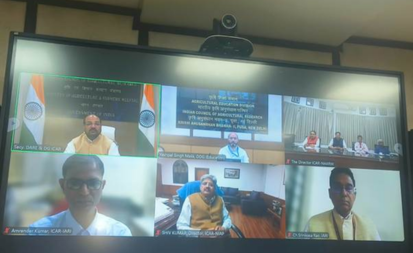
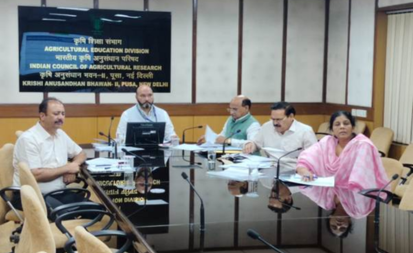
New Delhi, October 7, 2026: The Agricultural Education Division of the Indian Council of Agricultural Research (ICAR) has consulted industry experts and academic stakeholders on the proposed postgraduate (PG) and Ph.D. programmes in Natural Farming, with an emphasis on multidisciplinary learning, practical competencies and industry relevance.
The consultation was chaired by Dr. M. L. Jat, Secretary, Department of Agricultural Research and Education (DARE) and Director General of ICAR. The meeting aimed to strengthen the proposed curricula and ensure that the programmes address the evolving needs of farmers and the wider agricultural sector.
Addressing the stakeholders, Dr. Jat said the programmes should be future-ready, globally relevant and closely connected with farmers, industry and society. He called for incorporating emerging areas such as biological inputs, soil health, certification, value chains, marketing, digital technologies and entrepreneurship.
He also stressed the need for conceptual clarity across different approaches to chemical-free farming so that students and researchers can develop a comprehensive understanding of Natural Farming principles and practices.
NEP 2020 Alignment and Industry-Oriented Learning
Dr. Yashpal Singh Malik, Deputy Director General (Agricultural Education), ICAR, highlighted the importance of multidisciplinary, competency-based and industry-oriented curricula aligned with the National Education Policy (NEP) 2020.
He noted that specialised education must equip students with relevant knowledge and practical skills to respond to changing requirements in the Natural Farming sector.
Dr. C. K. Timbadia, Vice-Chancellor of Gujarat Natural Farming Science University (GNFSU) and Chairman of the Syllabus Formulation Committee, along with Dr. A. S. Yadav, Assistant Director General (Education Quality Assurance and Reform), ICAR, presented the proposed M.Sc. and Ph.D. curricula for discussion.
Inputs from participating industry and academic experts are expected to contribute to the timely finalisation and implementation of the programmes.
What the Proposed Natural Farming Courses Could Cover
The consultation highlighted several areas that could shape the proposed academic programmes:
- Soil health and biological inputs: Understanding soil management and biological approaches to crop production.
- Certification and standards: Building knowledge of certification requirements and quality assurance relevant to Natural Farming.
- Value chains and marketing: Understanding how natural-farming produce can reach buyers and markets.
- Digital agriculture: Exploring the use of digital technologies in farming, information management and decision-making.
- Entrepreneurship: Preparing students to develop agricultural enterprises and explore business opportunities linked to Natural Farming.
The proposed programmes are intended to connect academic learning with practical requirements across farming, research, agricultural businesses and markets.
Impact on Hospitality, Food Businesses and Tourism
The development of specialised Natural Farming education could have indirect implications for the hospitality, food and tourism sectors by strengthening skills and knowledge across agricultural supply chains.
1. Farm-to-table sourcing: Greater expertise in Natural Farming and its value chains could help improve connections between producers and hotels, restaurants and other food service businesses interested in sourcing agricultural produce directly from farms.
2. Opportunities for sustainable food businesses: Knowledge of certification, marketing and quality assurance could support businesses exploring natural-farming produce, subject to applicable standards and verification.
3. Regional cuisine and culinary tourism: Stronger market linkages for locally produced agricultural goods could create opportunities for destination restaurants, rural food experiences and culinary tourism initiatives that showcase regional ingredients.
4. Entrepreneurship in food supply chains: Training in agricultural marketing, digital technologies and business development could help graduates establish enterprises supplying produce, biological inputs or related services to farmers and food businesses.
5. Sustainability-focused hospitality: Hotels and restaurants seeking to diversify sourcing and strengthen their sustainability practices could potentially benefit from better-informed suppliers and more transparent agricultural value chains.
These are potential downstream opportunities, not outcomes directly announced by ICAR. Their development will depend on the final curricula, adoption of Natural Farming practices, supply consistency, certification requirements and demand from food businesses.
Next Steps for Natural Farming Education
The ICAR consultation marks a step towards developing specialised higher education programmes that connect agricultural research with practical skills, industry needs and entrepreneurship.
The proposed PG and Ph.D. programmes are expected to be refined using stakeholder feedback before finalisation and implementation. For the broader food and hospitality ecosystem, stronger agricultural education and market-oriented skills could help build links between farm production, food procurement, regional food businesses and sustainable tourism initiatives.