ICAR Joins Swachhata Hi Seva 2026 with Nationwide Cleanliness and Hygiene Drive
ICAR Headquarters and Institutes Across India Take Swachhata Pledge, Reinforcing Focus on Cleanliness, Hygiene and Healthy Workplaces New Delhi, September 17, 2026: The Indian Council of Agricultural Research (ICAR) and its institutes across India have joined
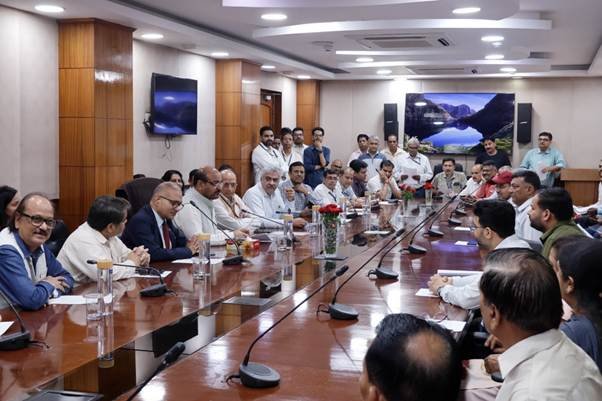
ICAR Headquarters and Institutes Across India Take Swachhata Pledge, Reinforcing Focus on Cleanliness, Hygiene and Healthy Workplaces
New Delhi, September 17, 2026: The Indian Council of Agricultural Research (ICAR) and its institutes across India have joined the Swachhata Hi Seva 2026 campaign, reaffirming their commitment to cleanliness, hygiene and healthier working environments.
The campaign was formally launched with Swachhata Pledge ceremonies at ICAR offices in New Delhi, alongside participation from officers and staff at ICAR institutes across the country.
Key Highlights
- ICAR Headquarters and institutes nationwide participated in Swachhata Hi Seva 2026.
- Swachhata Pledge administered at Krishi Bhawan, New Delhi.
- A separate pledge ceremony was held at Krishi Anusandhan Bhawan.
- Employees reaffirmed commitments towards cleanliness and hygiene.
- The initiative aims to make Swachhata a continuous and everyday practice.
- The campaign promotes a clean, healthy and hygienic working environment.
ICAR Launches Nationwide Participation
At Krishi Bhawan, New Delhi, Dr M. L. Jat, Secretary, Department of Agricultural Research and Education (DARE) and Director General, ICAR, administered the Swachhata Pledge to officers and staff.
At Krishi Anusandhan Bhawan, the pledge was administered by Dr Rajbir Singh, Deputy Director General (Agricultural Extension), ICAR.
Officers and employees from ICAR Headquarters and institutes across the country participated in the initiative, reinforcing the organisation’s focus on cleanliness and hygiene.
Swachhata Positioned as an Everyday Practice
The launch emphasised that cleanliness should extend beyond a campaign period and become part of routine institutional and personal practices.
ICAR said the initiative reinforces its resolve to make Swachhata a continuous commitment and an integral part of everyday life.
The focus on hygienic working environments is also consistent with broader efforts across public institutions to improve sanitation, cleanliness and environmental practices.
Impact on Hospitality, Food and Tourism
While the ICAR initiative is primarily an institutional cleanliness campaign, its focus areas have clear relevance to the hospitality, food and tourism sectors.
Hygiene and Guest Experience
Cleanliness and hygiene are fundamental to hotel, restaurant and tourism operations. Initiatives that reinforce hygiene as an everyday practice align with the operational standards expected across hospitality establishments.
Food Safety
For the foodservice sector, hygiene extends directly into food handling, preparation and storage. Greater awareness of sanitation across public institutions can complement the broader food-safety ecosystem.
Sustainable Operations
Cleanliness campaigns can also contribute to wider conversations around responsible waste management, resource use and environmentally conscious operations—areas increasingly important for hotels and tourism businesses.
Tourism Destinations
Clean public spaces and hygienic environments influence the overall visitor experience. Maintaining cleanliness across institutions, public areas and tourism destinations can therefore contribute to more welcoming and sustainable travel environments.
Industry Takeaway
ICAR’s participation in Swachhata Hi Seva 2026 reinforces the importance of treating cleanliness and hygiene as ongoing practices rather than one-time campaigns.
For the hospitality and tourism industry, the broader message is closely aligned with everyday operational priorities: clean workplaces, hygienic food environments, responsible waste practices and healthier spaces for employees and visitors.