India Moves to Strengthen Aircraft Leasing and Financing Ecosystem as Aviation Sector Expands
High-Level Committee chaired by Civil Aviation Minister Ram Mohan Naidu discusses taxation, financing and regulatory reforms to make aircraft leasing more competitive Key Highlights High-Level Committee on Aircraft Leasing and Financing holds its first meeting under Civil
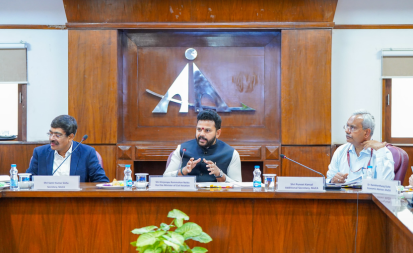
High-Level Committee chaired by Civil Aviation Minister Ram Mohan Naidu discusses taxation, financing and regulatory reforms to make aircraft leasing more competitive
Key Highlights
- High-Level Committee on Aircraft Leasing and Financing holds its first meeting under Civil Aviation Minister Ram Mohan Naidu.
- Government aims to build a globally competitive aircraft leasing and financing ecosystem in India.
- 422 aviation assets, including 250 aircraft and 87 engines, have been leased through the International Financial Services Centre (IFSC).
- 474 leasing agreements have been signed through the IFSC.
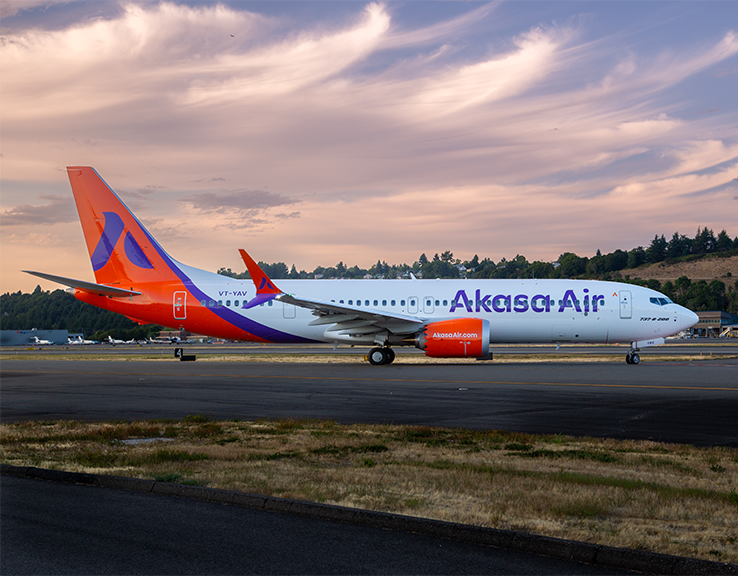
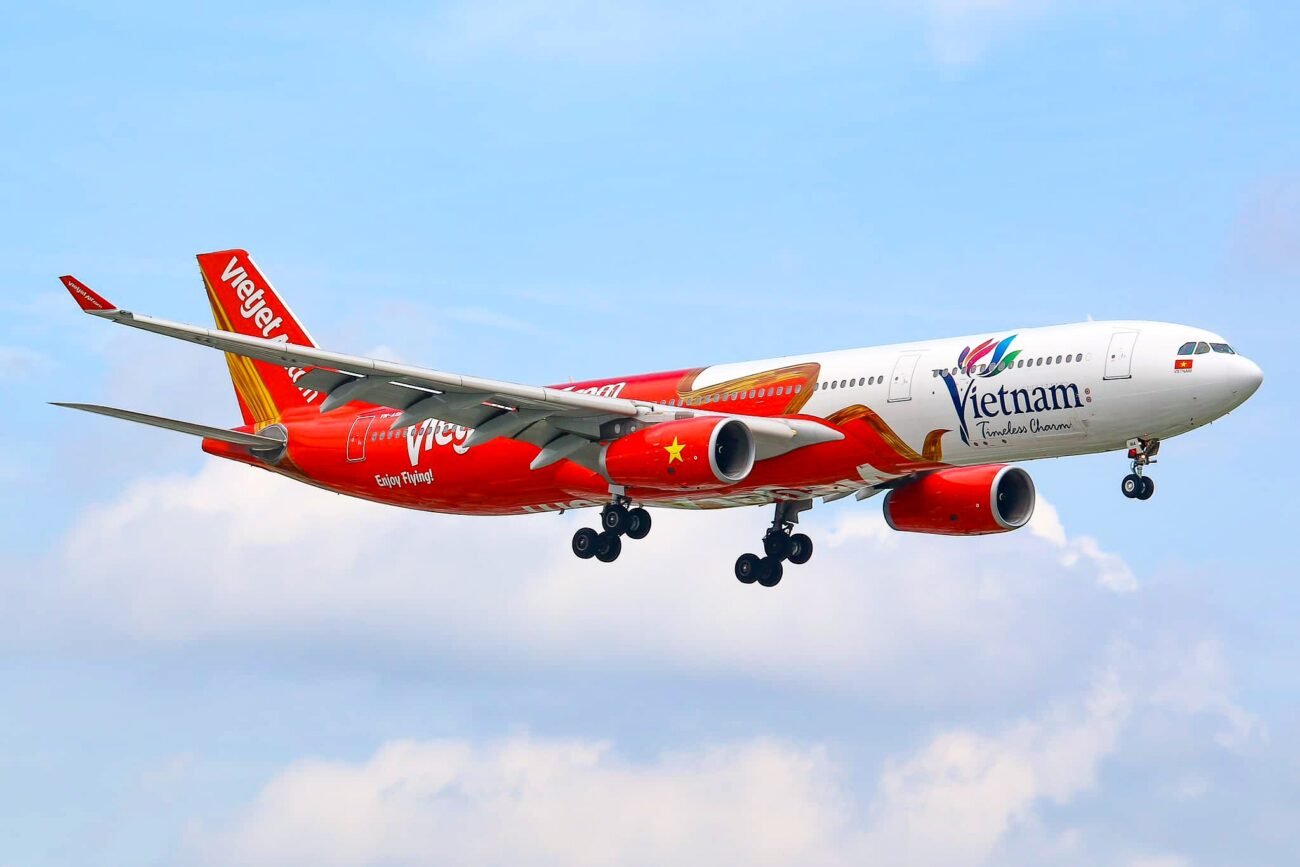
- More than 85% of Indian carriers’ aircraft fleets are leased, highlighting the importance of a stronger leasing ecosystem.
- Committee examines taxation, rupee-denominated aircraft financing, GAAR clarity and the Double Taxation Avoidance Agreement framework with Ireland.
India is stepping up efforts to build a stronger aircraft leasing and financing ecosystem as the country’s aviation sector continues to expand.
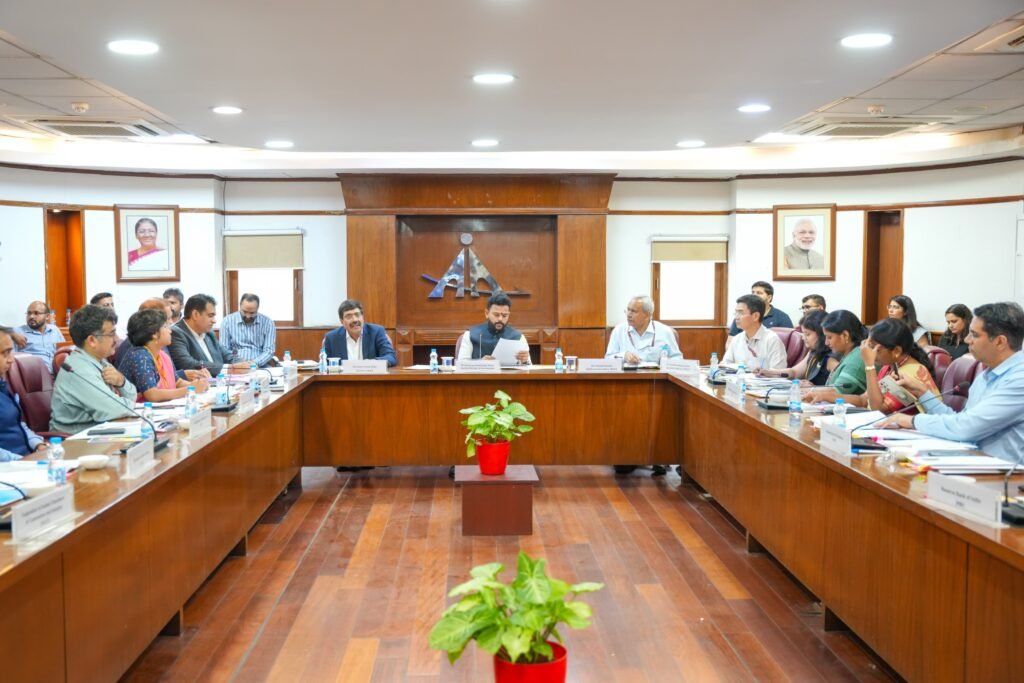
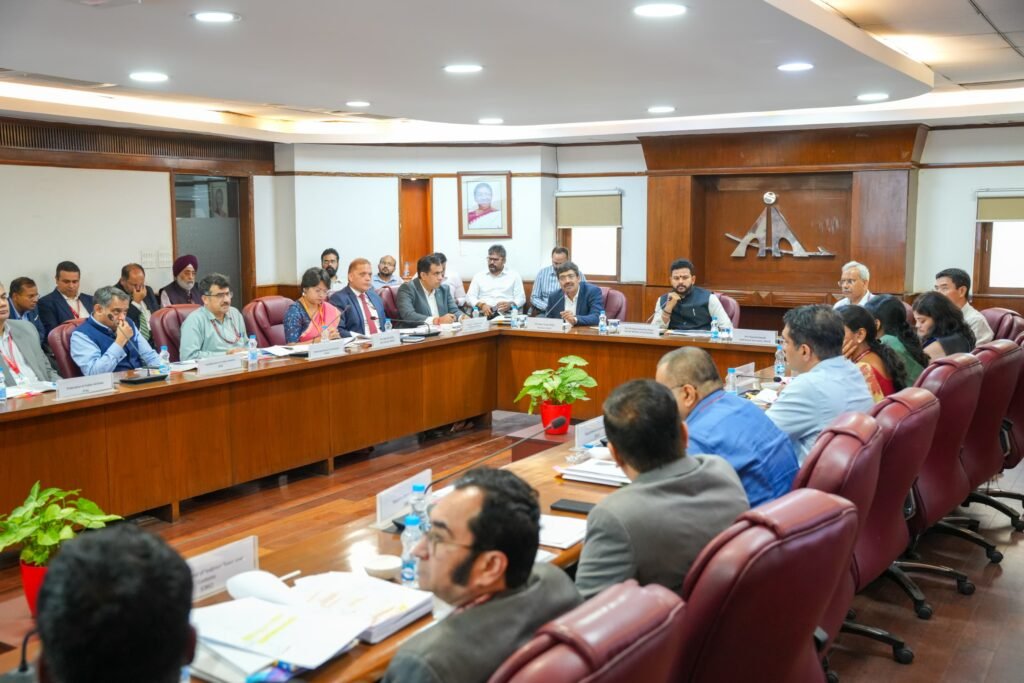
Union Minister for Civil Aviation Shri Ram Mohan Naidu chaired the first meeting of the newly constituted High-Level Committee (HLC) on Aircraft Leasing and Financing, where policymakers and industry representatives discussed measures to make aircraft acquisition and financing easier, more predictable and globally competitive.
The meeting brought together senior officials from the Ministry of Civil Aviation, Ministry of Finance, Department of Commerce, Directorate General of Civil Aviation (DGCA), Reserve Bank of India (RBI), International Financial Services Centres Authority (IFSCA) and industry associations.
Aircraft availability remains a key aviation challenge
The government highlighted aircraft availability as an important constraint even as India rapidly expands its airport infrastructure.
According to the Minister, an airport is being operationalised approximately every 45 days, while more than 85% of the aircraft fleet operated by Indian carriers is leased.
This makes access to competitive aircraft financing and leasing particularly important for the continued expansion of airlines and passenger connectivity.
The government is seeking to develop India as a more attractive jurisdiction for aircraft leasing, thereby reducing dependence on overseas financial and leasing centres and strengthening the broader aviation ecosystem.
422 assets leased through IFSC
Government measures to encourage aircraft leasing are already showing progress.
A total of 422 assets, including 250 aircraft and 87 engines, have been leased through the IFSC, with 474 leasing agreements signed.
The government is now looking to build on this momentum by addressing regulatory, taxation and financing issues that could influence lessor confidence and the ease of doing business in India.
Committee examines aircraft financing and taxation
The High-Level Committee discussed several measures aimed at creating a more enabling environment for aircraft leasing and financing.
Key areas under consideration include:
- Greater availability of bank credit for the aircraft sector
- Potential rupee-denominated financing for aircraft
- Greater clarity regarding the applicability of the General Anti-Avoidance Rule (GAAR)
- Possible renegotiation of the Double Taxation Avoidance Agreement framework with Ireland
- Regulatory measures to improve ease of doing business
- Taxation-related issues affecting aircraft leasing
- Potential joint ventures for technical and skill development in aircraft leasing
The committee has agreed to examine these issues in consultation with the relevant Ministries, Departments and industry stakeholders.
Cape Town Convention framework strengthened
The Minister also highlighted the government’s earlier efforts to address concerns raised by the aircraft leasing industry.
Following discussions at India’s first Aircraft Leasing Summit in GIFT City, stakeholders had identified ratification of the Cape Town Convention as an important requirement.
The government subsequently enacted the Protection of Interests in Aircraft Objects Act, aimed at strengthening the legal framework governing interests in aircraft and related aviation assets.
Focus on predictable policy framework
The government is now seeking a coordinated and time-bound approach to address the remaining financing, taxation and regulatory challenges.
A predictable and internationally aligned leasing framework could improve confidence among aircraft lessors, financiers, airlines and investors while supporting India’s expanding aviation market.
The government said such reforms could ultimately make aircraft acquisition and financing faster, easier and more competitive.
Impact on Hospitality, Travel and Tourism
More airline capacity: Easier access to aircraft financing and leasing could allow Indian airlines to expand fleets more efficiently, supporting additional routes and flight frequencies.
Better connectivity: Increased aircraft availability can improve connectivity between major cities, regional destinations and emerging tourism markets—particularly important for India’s growing domestic tourism sector.
Tourism destination growth: Greater air connectivity can support destinations that currently have limited direct access, potentially increasing tourist arrivals and encouraging new hotel, resort and hospitality investments.
International tourism: A stronger aviation ecosystem could help Indian carriers expand international networks, improving access for inbound tourists and strengthening India’s position as a global travel hub.
Hotel occupancy and MICE: Improved air connectivity generally supports business travel, conferences, exhibitions and leisure tourism, creating opportunities for hotels, convention centres, restaurants and destination-management companies.
Ease of Flying: For travellers, the larger potential benefit is greater choice of routes and schedules. If fleet availability improves alongside airport expansion, passengers could ultimately benefit from better connectivity and more flight options.
For the hospitality and tourism industry, the proposed reforms are significant because aviation capacity is directly linked to destination accessibility. A stronger aircraft leasing ecosystem could therefore support not only airlines and financiers but also hotels, restaurants, tourism operators and the wider travel economy.