The Rise of Aparthotels and Their Emergence as the Default Choice for Urban Mobility
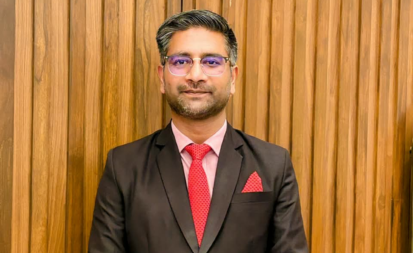
Authored article by Sandeep Ahuja, Global CEO Atmosphere Living Hospitality has always evolved with the way people live and travel. As patterns of travel have changed, so has the industry, from the growth of business hotels
Authored article by Sandeep Ahuja, Global CEO Atmosphere Living
Hospitality has always evolved with the way people live and travel. As patterns of travel have changed, so has the industry, from the growth of business hotels and extended-stay properties to lifestyle hospitality and luxury resorts.
The growing footprint of Global Capability Centres, which accounted for 45% of Grade A office leasing in H1 2026, is further accelerating employee mobility across India’s major business hubs, creating sustained demand for professionally managed extended-stay accommodation.
People are moving between cities more frequently for work, education, healthcare and lifestyle, and this is beginning to influence the kind of spaces they choose to stay in. In this environment, the aparthotel is emerging as an increasingly relevant part of modern urban mobility.
India’s urban workforce is becoming increasingly mobile, with professionals relocating more frequently for work, project assignments and business travel. This shift is already visible in the market. Grand View Research estimates that India’s aparthotel market will grow at a CAGR of 14.6% between 2026 and 2033, reflecting rising demand for flexible, professionally managed accommodation from corporate travellers, relocating professionals and long-stay guests.
The format is also finding greater relevance among women travelling alone, whether for work or leisure. A secured entrance, 24/7 security, professional management, and privacy can offer added reassurance, particularly when travelling to an unfamiliar city.
For operators, the focus is therefore to create residences that are genuinely functional while maintaining the standards associated with professional hospitality. It is a balance between the independence of a home and the assurance of a well-managed property. As the duration and purpose of travel continue to change, this combination is likely to become increasingly relevant.
There is an equally important real estate story behind this shift. Cities are becoming more dynamic, careers are less tied to a single location and people are increasingly comfortable moving between urban centres. Real estate has to respond to this reality. As the trend continues for people to travel for work and even for their own pleasure, the need for such spaces which offer flexibility, privacy, and familiarity will increase.
This is also changing the way developers and investors look at the relationship between hospitality and residential real estate. Aparthotel bring together the long-term value of a real estate asset with an operating model that can respond to changing demand. The two sectors are beginning to overlap in ways that create opportunities for both. For developers, it opens up new possibilities in how spaces are designed and used. For investors, it introduces an asset class that combines real estate with an active hospitality component.
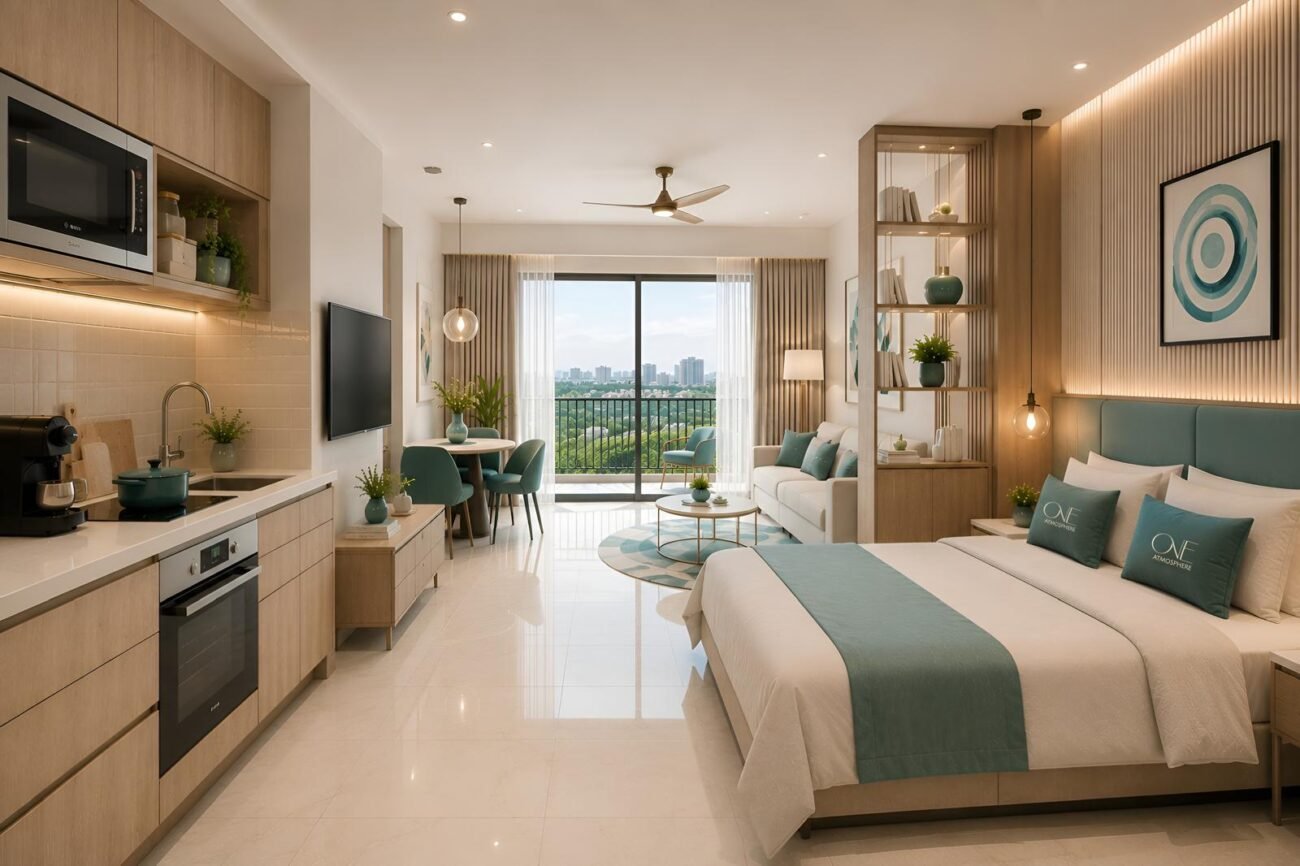
As people become increasingly mobile, moving from one city to another for business or personal purposes, there is bound to be an increased need for space that offers comfort, privacy and familiarity. This is where the aparthotel model offers a distinct advantage. The comfort and facility of having the luxury of a house including having a living room, kitchen, and perhaps even a washing machine, along with all the facilities that a hotel provides make it more convenient and comfortable.
The future of hospitality lies in its ability to understand the changing dynamics between individuals and place. The strongest models will give travellers the freedom to live in a way that feels natural while providing the security and consistency of professional hospitality. Aparthotels are well placed
to serve that need. As urban mobility continues to evolve, they are likely to become a more established part of the way people live, work and travel across cities.