Sea Route Set to Transform India’s Premium Mango Exports; Logistics Cost Drops by Nearly 90%
ICAR and APEDA's new sea shipment protocol extends mango shelf life to 30 days, opening bigger export markets for India's premium fruit Key Highlights India successfully exports 4.3 tonnes of Banganappalli mangoes to Singapore via sea. New ICAR-CISH

ICAR and APEDA’s new sea shipment protocol extends mango shelf life to 30 days, opening bigger export markets for India’s premium fruit
Key Highlights
- India successfully exports 4.3 tonnes of Banganappalli mangoes to Singapore via sea.
- New ICAR-CISH protocol reduces logistics cost from ₹150–250/kg (air) to ₹13–20/kg (sea).
- Shelf life extended to 30 days without compromising quality.
- Mangoes reached Singapore in 16 days with zero disease incidence and premium quality.
- Technology expected to boost exports to Singapore, Malaysia, Hong Kong and the UAE.
- Initiative aims to improve farmer incomes while making Indian mangoes more competitive globally.
New Delhi | June 25, 2026
India has achieved a major milestone in fresh fruit exports with the successful sea shipment of premium Banganappalli mangoes to Singapore, a development that could significantly reduce export costs while expanding the country’s presence in international fruit markets.
The breakthrough comes through a scientific sea shipment protocol jointly developed by the ICAR-Central Institute for Subtropical Horticulture (ICAR-CISH), Lucknow, and the Agricultural and Processed Food Products Export Development Authority (APEDA).
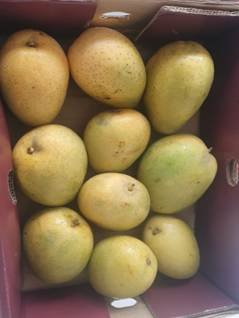
Under the initiative, 4.3 tonnes of Banganappalli mangoes sourced from Andhra Pradesh were transported to Singapore in a refrigerated container, demonstrating that Indian mangoes can retain premium quality during long-distance sea transportation.
Export Costs Reduced Significantly
One of the biggest advantages of the new protocol is the dramatic reduction in logistics costs.
While air shipment typically costs between ₹150 and ₹250 per kilogram, sea transportation reduces freight expenses to approximately ₹13–20 per kilogram, making Indian mango exports far more competitive in overseas markets.
The lower transportation cost is expected to benefit exporters, farmers and international buyers by improving affordability without compromising fruit quality.
Technology Ensures Premium Quality
The export protocol integrates a comprehensive quality management system covering residue-free cultivation, Good Agricultural Practices (GAP), scientific harvesting, grading, packaging and post-harvest handling.

Before shipment, the mangoes underwent Hot Water Treatment (HWT) along with CISH-Met Wash, an ICAR-developed post-harvest technology that enhances shelf life, minimises disease incidence and preserves fruit quality during transit.
The fruits were also produced under scientifically monitored orchards using residue-safe cultivation practices and ICAR-CISH’s biological crop protection technology.
After a 16-day sea journey, the mangoes reached Singapore in excellent condition, recording 20.1°Brix Total Soluble Solids (TSS) with no disease incidence and quality comparable to air-freighted consignments.
ICAR-CISH has successfully demonstrated that the protocol can maintain mango quality for up to 30 days, making sea freight a commercially viable export option.
New Global Market Opportunities
The successful shipment is expected to accelerate exports to established markets such as Singapore, Malaysia and Hong Kong, while creating larger opportunities in high-value destinations including the United Arab Emirates, where demand for premium Indian mangoes continues to grow.
The initiative is also expected to strengthen India’s horticulture export ecosystem by improving export competitiveness and increasing returns for mango growers.
Hospitality & Tourism Impact
The new sea shipment protocol is a significant development for the hospitality and food service industry, particularly premium hotels, luxury restaurants, airline catering and gourmet retailers that depend on high-quality seasonal fruits.
Lower logistics costs can make premium Indian mangoes more competitively priced in international markets, enabling hotels and restaurants across Asia and the Middle East to feature authentic Indian mango varieties on seasonal menus, desserts, beverages and fine-dining experiences.
The technology also supports India’s growing reputation as a global supplier of premium fresh produce, strengthening culinary tourism, farm-to-table dining and regional food branding. As international demand rises, mango-producing regions such as Andhra Pradesh, Uttar Pradesh and Gujarat could also benefit from increased agri-tourism and food-focused travel experiences built around India’s iconic mango varieties.
For exporters supplying luxury hospitality chains abroad, improved shelf life and reliable sea logistics offer a sustainable alternative to expensive air freight, reducing carbon emissions while improving supply chain efficiency.