India Pushes Food Processing as Growth Engine at SAPLING 2026, Focuses on Jobs, Value Addition and Regional Collaboration
Ahmedabad hosts South Asian policy dialogue as government and global industry leaders discuss technology, investment and sustainable food systems Key Highlights The SAPLING (South Asian Policy Leadership for Improved Nutrition and Growth) Dialogue 2026 was inaugurated in
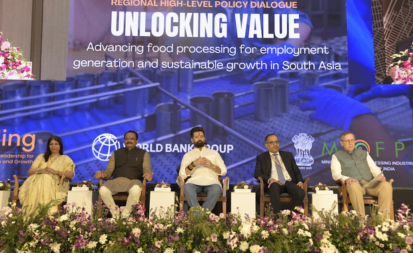
Ahmedabad hosts South Asian policy dialogue as government and global industry leaders discuss technology, investment and sustainable food systems
Key Highlights
- The SAPLING (South Asian Policy Leadership for Improved Nutrition and Growth) Dialogue 2026 was inaugurated in Ahmedabad, Gujarat.
- The event is jointly hosted by the Ministry of Food Processing Industries (MoFPI) and the World Bank Group-led SAPLING initiative.
- Around 200 policymakers, industry leaders, startups, researchers and development partners from South Asia are participating.
- India highlighted food processing as a key driver of employment generation, farmer income and sustainable economic growth.
- A government report revealed that India’s food processing levels have increased from around 10% in 2016 to nearly 17% in 2023.
- Discussions covered technology, supply chains, investment, food safety, MSMEs and regional cooperation.
India Positions Food Processing as the Next Growth Engine for South Asia
India has reinforced its ambition to become a global food processing hub with the inauguration of the SAPLING 2026 Regional High-Level Policy Dialogue in Ahmedabad. The two-day conference brings together government officials, global companies, financial institutions, startups and development organizations to discuss strategies for strengthening food processing ecosystems across South Asia.
The dialogue, themed “Unlocking Value: Advancing Food Processing for Employment Generation and Sustainable Growth in South Asia,” focuses on building resilient food systems through value addition, technology adoption and regional collaboration.
Food Processing Seen as a Bridge Between Agriculture and Prosperity
Addressing the inaugural session, Union Minister for Food Processing Industries Shri Chirag Paswan described food processing as the crucial link between agriculture and economic prosperity.
He emphasized that expanding food processing capacity can:
- Generate large-scale employment
- Reduce post-harvest losses
- Improve farmer incomes
- Strengthen food security
- Create globally competitive food value chains
The minister highlighted that investments in infrastructure and policy reforms are helping India move up the value chain rather than relying solely on raw agricultural production.
India’s Food Processing Sector Shows Strong Growth
During the event, the Ministry released the report “Assessment of the Level of Food Processing in India,” which presents a comprehensive analysis of the sector.
According to the report:
- Food processing levels in India have increased from around 10% in 2016 to nearly 17% in 2023.
- Significant opportunities remain in processing fruits, vegetables and dairy products.
- Greater value addition can help reduce post-harvest losses while improving export competitiveness.
The report also recommends strengthening infrastructure, improving supply chains and enhancing processing capacity across agricultural commodities.
Technology and Innovation at the Centre of Discussions
The policy dialogue features thematic sessions on several critical areas shaping the future of food processing:
- Strengthening agricultural supply chains
- Formalising informal food processors
- Technology-driven innovation
- Food safety and quality standards
- Investment mobilisation
- Regional collaboration across South Asia
An accompanying Innovation Fair showcases solutions in:
- Cold chain logistics
- Digital traceability
- Sustainable packaging
- Smart processing technologies
- Modern storage systems
These innovations are expected to improve efficiency and reduce food wastage across the value chain.
Industry Leaders and Global Institutions Participate
The event has attracted participation from major organizations including:
- Nestlé
- Bayer
- Rabobank
- Ajinomoto
- ITC
- SEWA
- NABARD
- Food Industry Asia
The dialogue also aligns with the World Bank Group’s AgriConnect initiative, which promotes resilient and nutrition-focused food systems across South Asia through policy reforms, investment and technology.
Impact on Hospitality, Food & Tourism
The outcomes of SAPLING 2026 have significant implications for India’s hospitality and tourism ecosystem.
Hotels and Restaurants
Greater food processing capacity can ensure more consistent availability of high-quality ingredients, enabling hotels and restaurants to improve menu planning, reduce wastage and maintain quality standards.
Food & Beverage Industry
Enhanced processing of fruits, vegetables and dairy creates opportunities for ready-to-eat, ready-to-cook and premium packaged products that are increasingly used across hospitality and quick-service restaurant chains.
Culinary Tourism
Improved value addition and regional food processing infrastructure can promote local specialties, traditional ingredients and regional cuisines, strengthening India’s growing culinary tourism sector.
Supply Chain Resilience
Investments in cold chain logistics, storage and digital traceability will benefit hotels, airlines, caterers and food delivery businesses by improving product quality and reducing supply disruptions.
MICE Tourism
Hosting an international policy dialogue involving government leaders, multinational companies and development institutions further strengthens Ahmedabad’s profile as a destination for Meetings, Incentives, Conferences and Exhibitions (MICE), generating demand for hotels, convention venues, transport and local hospitality services.
Industry Takeaway
SAPLING 2026 signals India’s strategy of transforming food processing into a major engine of economic growth. As processing levels continue to rise and investments flow into technology, infrastructure and value addition, the hospitality, foodservice and tourism sectors stand to benefit from stronger supply chains, improved product quality and new opportunities in culinary and business tourism.