ICAR-CIRB Holds Swachhata Samvad to Promote Clean Workplaces and Responsible Waste Management
Day-VIII initiative at Hisar engages contractual staff and Young Professionals in discussions on waste segregation, plastic reduction and Jan Bhagidari Key Highlights: ICAR-CIRB, Hisar, organised a Swachhata Samvad on 24 September 2026. The programme was held under Swachhata
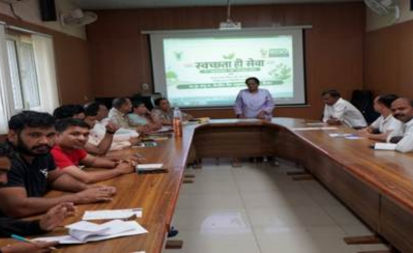
Day-VIII initiative at Hisar engages contractual staff and Young Professionals in discussions on waste segregation, plastic reduction and Jan Bhagidari
Key Highlights:
- ICAR-CIRB, Hisar, organised a Swachhata Samvad on 24 September 2026.
- The programme was held under Swachhata Hi Seva 2026 with the theme “Swachhta Mein Sahbhag – Swachh Bharat, Viksit Bharat.”
- Around 20 contractual staff and Young Professionals (YPs) participated.
- Discussions covered litter prevention, waste segregation, plastic reduction and responsible disposal.
- Participants made a collective commitment to adopt sustainable cleanliness practices.
ICAR-CIRB Promotes Participatory Approach to Cleanliness
The Indian Council of Agricultural Research–Central Institute for Research on Buffaloes (ICAR-CIRB), Hisar, organised a Swachhata Samvad on 24 September as part of the ongoing Swachhata Hi Seva 2026 campaign.
The Day-VIII initiative was designed as an interactive platform to encourage participation in cleanliness activities and promote awareness about hygiene and sustainable waste management among contractual staff and Young Professionals.
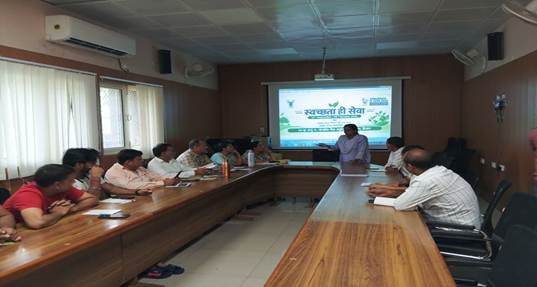
Around 20 participants took part in the programme.
Dialogue Focuses on Practical Waste Management
Rather than following a conventional lecture format, the Samvad encouraged participants to share their experiences, observations and suggestions on cleanliness-related issues at their homes, workplaces and surrounding areas.
The discussions covered practical measures including:
- Preventing littering
- Proper waste disposal
- Waste segregation
- Reducing unnecessary plastic use
- Responsible use of plastic
- Adopting sustainable cleanliness practices
The interaction highlighted that maintaining cleanliness requires continuous behavioural changes and Jan Bhagidari, or public participation, rather than being limited to sanitation activities alone.
Participants Commit to Sustainable Cleanliness Practices
Participants discussed how simple actions such as avoiding littering, segregating waste and ensuring its proper disposal can contribute to cleaner and healthier surroundings.
The programme concluded with a collective commitment to promote cleanliness, responsible waste management and sustainable habits in workplaces and local communities.
Impact on Hospitality, Food and Tourism
The initiative has relevance for the hospitality and tourism industry, where cleanliness and waste management directly influence the quality of guest and visitor experiences.
Hotels, restaurants, resorts and tourism facilities can similarly use employee engagement and participatory awareness programmes to improve waste segregation, plastic reduction and responsible disposal.
For the food-service sector, encouraging staff participation in source segregation and waste reduction can also support more efficient management of food, plastic and other operational waste. At tourism destinations, stronger community participation in cleanliness can contribute to cleaner public spaces and support the development of more sustainable visitor environments.