World Environment Day Responsible Travel in An Era of Climate Uncertainty
Louis D’SouzaManaging Partner, Tamarind GlobalWhat does responsible tourism actually look like in an era of record travel demand?Today's responsible travel means creating experiences that are not only enjoyable but also responsible towards the community and

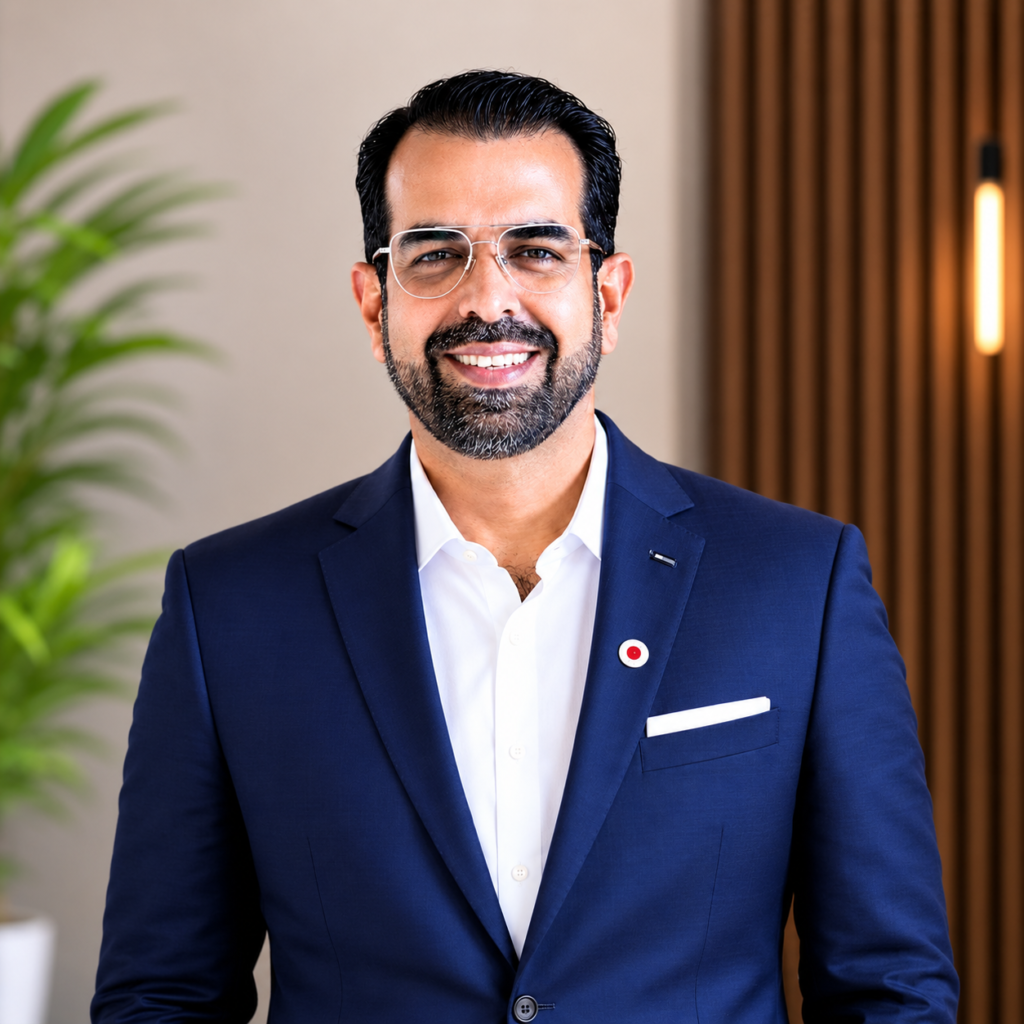
Louis D’Souza
Managing Partner, Tamarind Global
What does responsible tourism actually look like in an era of record travel demand?
Today’s responsible travel means creating experiences that are not only enjoyable but also responsible towards the community and the environment, as well as the character, history, and lifestyle of the places they visit and those they encounter on their travels. Responsible tourism is about being an agent of change and using travel as a tool to raise awareness and promote more sustainable practices in all aspects of travel. In the future, if we all work together for our environment and the planet, we may help to provide a solution for the increase of travel and tourism around the globe, while ensuring our world continues to be a desirable place to live for all future generations.
How can tourism create economic value without placing unsustainable pressure on local resources?
The economic benefits associated with tourism will be greatest when growth is realized with care and responsibility toward destinations. In addition to measuring visitor numbers data, tourism will create longer-term, higher-value economic outcomes when its stakeholders focus on providing quality experience opportunities for visitors that create sustainable economic benefit for the communities they visited. Longer average stay durations, active promotion of alternative destinations, and assistance to local businesses, craftspeople, guides, and hosts will assist in more effectively distributing tourism dollars to a greater number of stakeholders while providing a means to alleviate stress on overcrowded destinations. Responsibility for developing and maintaining a sustainable tourism experience involves promoting and supporting development of sustainable infrastructure; using natural resources responsibly; and engaging local communities in the form of stakeholder participation. When developed in a planned and responsible manner, tourism can be an economic development engine for the promotion of inclusive economic growth without jeopardizing the ability of the tourism destination to provide a viable experience for future generations.
What responsibility does the traveler have in protecting the destinations they visit?
Travelling is an experience that we get to do because it is a privilege. Along with the privilege also comes a responsibility. Each and every traveller plays an important role in sustaining and protecting the environments and communities of their destination for the next generation of travellers. Making responsible travel choices starts with making simple choices that include respecting local customs/culture, patronising local businesses, reducing waste, conserving natural resources and being aware of your impact on the environment. Additionally, travelling with regard for other people by using the principle of empathy will also help ensure that the tourism industry benefits from your visits and does not overwhelm the destination. The choice to travel sustainably is no longer an individual choice, it is a collective responsibility. As travellers begin making more conscious efforts to be good stewards of the communities they are visiting, they will contribute to preserving the history, culture and beauty that make these destinations unique.
Are travel businesses prepared for a future shaped by climate disruption, water scarcity, and changing weather patterns?
Travel’s future will be profoundly affected by climate change, dwindling water supplies, and changes in weather patterns. With an increasing number of people in the travel sector becoming familiarised with these obstacles, determining how prepared that sector will be will hinge on how fast the sector can move from simply being acquainted with these challenges to actively dealing with them. Tamarind Global’s view of resilience regards flexibility, responsible development, and sustainable practices. This is to include a rethinking of destination choices; offering a wider assortment of products outside of traditional holiday seasons; partnering with nearby, locally owned businesses; and implementing practices that are environmentally friendly in nature. Travellers are increasingly aware of their role in creating an eco-friendly atmosphere and therefore, putting pressure on the industry to change. Travel businesses that respond to this demand for adaptation and innovation and to build businesses based on long-term, sustainable principles will be successful.
Shruti Shibulal
Executive Vice Chair, Tamara Leisure
What does responsible tourism actually look like in an era of record travel demand?
Responsible tourism is no longer a niche consideration; it must become a foundational and universal business principle. In an era of growing demand for increasingly diverse travel experiences, popular and emerging destinations alike must proritise the long term health of communities, ecosystems and cultural heritage. Responsible tourism allows guests to discover destinations through meaningful experiences while ensuring that the places we are fortunate to witness remain resilient and vibrant for future generations.
How can tourism create economic value without placing unsustainable pressure on local resources?
Sustainable tourism models have shown that economic growth and resource stewardship are not opposing goals. Thoughtful development through investments in efficient infrastructure, local supply chains, local employment and optimised water and energy usage can generate significant economic value while preserving and even contributing to regeneration. Long-term value creation hinges on protecting the precious elements – people, landscape, culture, history – that define each destination.
What responsibility does the traveler have in protecting the destinations they visit?
In order to succeed, sustainability measures require behavioural change, collaboration and consistent implementation in equal parts. The responsibility of responsible tourism and hospitality is a shared one. It must be held by businesses, communities as well as travellers who make thoughtful choices about consumption, engagement and impact. Thoughtful travel begins with recognizing that as travellers we are simply passing through someone else’s home. Respect, awareness and consideration are the most essential aspects of travel.
Are travel businesses prepared for a future shaped by climate disruption, water scarcity, and changing weather patterns?
The industry has been making meaningful progress, but climate resilience requires continuous, adaptive measures. Weather fluctuations and resource scarcity are no longer future risks; they are present realities that require immediate, proactive planning. Climate resilience must be a core strategic priority for all travel businesses – informing everything from infrastructure and resource management to operational decision-making.


Khizer Khan
General Manager, Double Tree by Hilton Pune-Chinchwad
What does responsible tourism actually look like in an era of record travel demand?
Responsible tourism is about creating meaningful travel experiences while minimizing environmental impact and maximizing benefits for local communities. In today’s high-demand travel landscape, it means making conscious decisions, whether through sustainable operations, supporting local businesses, reducing waste, or preserving cultural and natural heritage. For hospitality brands, responsible tourism is no longer an option, it is a fundamental part of delivering value to guests while safeguarding destinations for future generations.
How can tourism create economic value without placing unsustainable pressure on local resources?
Tourism can drive economic growth when it is developed thoughtfully and sustainably. This includes prioritizing local sourcing, supporting regional artisans and suppliers, investing in community partnerships, and implementing resource-efficient practices. By reducing water and energy consumption, minimizing waste, and encouraging responsible visitor behavior, tourism businesses can generate employment and economic opportunities while protecting the very resources that attract travelers in the first place.
What responsibility does the traveler have in protecting the destinations they visit?
Travelers play a vital role in preserving destinations. Simple actions such as respecting local customs, conserving water and energy, reducing single-use plastics, supporting local businesses, and following environmental guidelines can collectively make a significant impact. Responsible travel is about recognizing that every visitor influences a destination’s future and making choices that contribute positively to the local environment and community.
Are travel businesses prepared for a future shaped by climate disruption, water scarcity, and changing weather patterns?
The hospitality and travel industry is increasingly recognizing the need to adapt to these challenges. Many businesses are investing in energy-efficient technologies, water conservation initiatives, waste reduction programs, and sustainable building practices. However, preparedness is an ongoing journey. Collaboration across the industry, continued innovation, and long-term sustainability planning will be essential to building resilience and ensuring that travel remains viable and responsible in the decades ahead. At DoubleTree by Hilton Pune Chinchwad, we view sustainability not as a trend, but as a long-term commitment that supports both exceptional guest experiences and environmental stewardship.
Younis Khan
Hotel Manager, The LaLit Ashok Bangalore
What does responsible tourism actually look like in an era of record travel demand?
Responsible tourism in an era of record travel demand is no longer just a desirable practice it is a fundamental responsibility for every stakeholder in the hospitality and travel industry. As destinations around the world welcome increasing numbers of travellers, the focus must shift from simply attracting visitors to ensuring that tourism creates a positive and lasting impact on local communities, cultures, and the environment. Responsible tourism means managing resources thoughtfully, reducing our environmental footprint, supporting local businesses and artisans, preserving cultural heritage, and creating meaningful experiences that respect the identity of the destination. It also involves educating guests about sustainable choices while ensuring that economic benefits are distributed fairly among the communities that make these destinations unique. As hospitality leaders, we must recognize that success is not measured solely by occupancy levels or visitor numbers, but by the value we create for people and places. At our hotel, we believe responsible tourism is about balancing growth with stewardship embracing sustainable operations, minimizing waste, conserving energy and water, supporting local employment, and fostering authentic cultural connections. Travelers today are increasingly conscious of the impact of their journeys, and they expect hospitality brands to demonstrate genuine commitment rather than symbolic gestures. The future of tourism lies in creating experiences that are memorable for guests while remaining beneficial for the destination and its residents. When tourism is managed responsibly, it becomes a powerful force for economic development, cultural preservation, and environmental sustainability, ensuring that future generations can continue to enjoy and benefit from the world’s extraordinary destinations.
How can tourism create economic value without placing unsustainable pressure on local resources?
Tourism has the potential to be a powerful economic engine when growth is managed thoughtfully and sustainably. Creating economic value without placing excessive pressure on local resources requires a long-term approach that prioritizes quality over quantity. Rather than focusing solely on increasing visitor numbers, destinations and hospitality businesses should concentrate on enhancing guest experiences, encouraging longer stays, supporting local enterprises, and promoting authentic cultural and culinary offerings. This ensures that tourism revenue circulates within the local economy, benefiting artisans, farmers, entrepreneurs, and service providers while reducing the strain associated with mass tourism. As hospitality leaders, we have a responsibility to ensure that economic growth is aligned with environmental and social sustainability. This means investing in resource-efficient operations, reducing water and energy consumption, minimizing waste, and sourcing products locally whenever possible. Equally important is engaging with local communities, creating employment opportunities, and preserving the cultural and natural
assets that attract visitors in the first place. When tourism development is guided by responsible planning and collaboration, it can generate meaningful economic benefits while safeguarding the resources and heritage that make a destination unique. Sustainable tourism is not about limiting growth it is about ensuring that growth remains beneficial, resilient, and sustainable for generations to come.
What responsibility does the traveller have in protecting the destinations they visit?
Travellers play a vital role in protecting and preserving the destinations they visit. Responsible tourism is a shared commitment, and while governments, communities, and hospitality businesses have important responsibilities, the choices made by individual travellers can have a significant impact on the sustainability of a destination. Respecting local cultures and traditions, supporting local businesses, minimizing waste, conserving water and energy, and being mindful of environmental practices are all simple yet meaningful ways in which travellers can contribute positively to the places they explore. Every journey should be approached with an understanding that destinations are not merely attractions to be consumed, but communities and ecosystems that deserve care and respect. As hospitality professionals, we encourage guests to become conscious travellers who seek authentic experiences while leaving a positive footprint behind. Choosing locally sourced products, respecting heritage sites, following responsible wildlife and environmental practices, and engaging thoughtfully with local communities can help ensure that tourism benefits everyone involved. The future of travel depends on a collective effort where travellers view themselves not just as visitors, but as temporary custodians of the destinations they enjoy. When guests travel with awareness and responsibility, they help preserve the natural beauty, cultural richness, and unique character of destinations for future generations to experience and appreciate.
Are travel businesses prepared for a future shaped by climate disruption, water scarcity, and changing weather patterns?
The travel and hospitality industry is increasingly aware that climate disruption, water scarcity, and changing weather patterns are no longer future concerns—they are present-day realities that demand immediate action. While many travel businesses have made significant progress by adopting sustainability initiatives, investing in resource-efficient technologies, and strengthening environmental policies, preparedness remains an ongoing journey rather than a finished destination. The industry’s resilience will depend on its ability to adapt operations, infrastructure, and guest experiences to evolving environmental challenges while maintaining the highest standards of service and hospitality.
As hospitality leaders, we must move beyond short-term solutions and embrace a long-term vision centered on sustainability and climate resilience. This includes responsible water
management, energy conservation, waste reduction, sustainable sourcing, and investments in infrastructure that can withstand changing climatic conditions. Equally important is fostering a culture of environmental responsibility among employees, guests, and stakeholders. The businesses that will thrive in the future are those that recognize sustainability not as a compliance requirement, but as a core business strategy. By proactively addressing these challenges today, the travel industry can continue to create meaningful experiences, support local economies, and protect the natural and cultural assets that inspire people to travel in the first place.


Sandeep Arora
Director of Brightsun Travel India
What does responsible tourism actually look like in an era of record travel demand?
With global travel reaching record levels, responsible tourism is no longer optional but a necessity. In India alone, domestic tourism surpassed 4.13 billion visits in 2025, highlighting the need to balance growth with environmental and social responsibility.
To us, responsible tourism means helping customers make more informed travel choices while supporting destinations and local communities. We work with airline partners that are investing in more fuel-efficient fleets and Sustainable Aviation Fuel (SAF), encourage longer-stay and value-driven travel over high-volume tourism, and promote experiences that benefit local economies. Across the wider travel ecosystem, there is also a growing commitment to reducing emissions and supporting the industry’s ambition to achieve net-zero carbon emissions by 2050.
Ultimately, responsible tourism is about making sure travel continues to create economic opportunities while also preserving the cultural heritage, natural environments and communities that actually make destinations unique.
How can tourism create economic value without placing unsustainable pressure on local resources?
Tourism delivers its greatest value when local communities are active participants and beneficiaries of the visitor economy. We believe that sustainable growth comes from promoting quality tourism rather than simply increasing visitor numbers.
This means encouraging travel experiences that generate meaningful economic benefits for local businesses, guides, accommodation providers and artisans, while helping avoid overcrowding and excessive pressure on natural resources. Brightsun Travel supports travel products and partners that prioritise responsible practices, including eco-certified stay, community-led experiences and lower-impact transport options wherever possible. By directing tourism spending towards local economies and sustainable businesses, the industry can create long-term economic value while preserving the cultural and environmental assets that attract visitors in the first place.
What responsibility does the traveller have in protecting the destinations they visit?
Travellers play a vital role in shaping the future of tourism. Today, consumers are quite aware of the environmental and social impact of their choices and are actively looking for ways to travel more responsibly.
At Brightsun Travel, we encourage customers to respect local cultures, support local businesses, minimise waste, conserve water and energy, and choose suppliers that demonstrate strong sustainability credentials. Even small actions like carrying reusable water bottles, reducing single-use plastics, respecting wildlife and local customs can have a
significant positive impact. Responsible tourism is a shared responsibility between travellers, businesses, governments and local communities, and meaningful change comes when everyone works together.
Are travel businesses prepared for a future shaped by climate disruption, water scarcity, and changing weather patterns?
The travel and tourism sector has made significant progress in recent years, but there is still much work to be done. More travel businesses than ever are setting science-based climate targets, investing in sustainability initiatives and building resilience into their operations.
Across the aviation sector, airlines are consistently investing in newer, more fuel-efficient aircraft and increasing the use of Sustainable Aviation Fuel (SAF), which is expected to play a key role in reducing aviation emissions over the coming decades. Many travel companies, including Brightsun Travel and our industry partners, are also strengthening sustainability frameworks and supporting the broader industry’s journey towards net-zero carbon emissions by 2050.