The Sustainability Conversation Hospitality Keeps Postponing
George M GeorgeManaging Director, Xandari ResortsI believe the hospitality industry's biggest sustainability blind spot is that many stakeholders still do not meaningfully integrate sustainability goals into the way properties are planned, operated, and evaluated. While

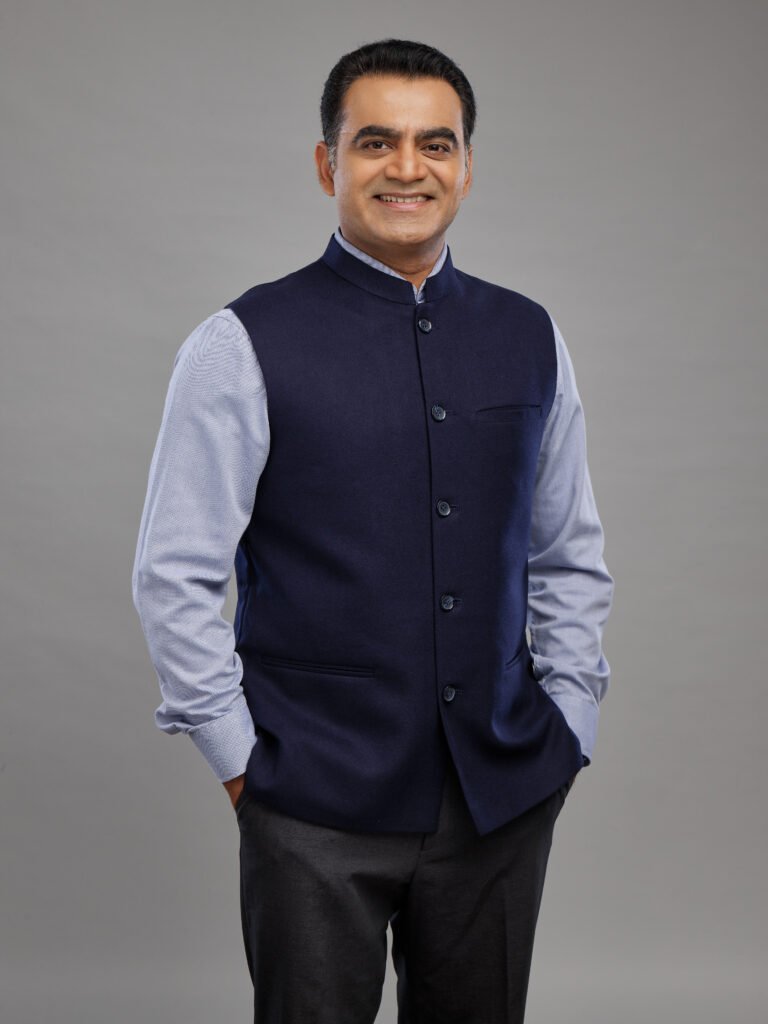
George M George
Managing Director, Xandari Resorts
I believe the hospitality industry’s biggest sustainability blind spot is that many stakeholders still do not meaningfully integrate sustainability goals into the way properties are planned, operated, and evaluated. While the industry continues to rely heavily on conventional star-rating systems, sustainability should also become a key criterion in assessing a property’s overall performance.
Questions such as: How environmentally responsible is the hotel? How effectively does it support and employ the local community? How efficiently does it utilise natural resources? should play a significant role in determining a hotel’s rating and reputation. Unfortunately, the sector still lacks a well-defined and universally accepted sustainability framework, which often leads to the overutilisation of natural resources and unsustainable development practices.
We are already witnessing the consequences in several popular tourist destinations. We have seen how popular destinations have experienced large-scale tourism-driven pressure on local ecosystems and resources. As emerging destinations continue to grow, we must be thoughtful and responsible to ensure that these mistakes are not repeated elsewhere.
Addressing this challenge requires robust planning, clear regulations, and destination-specific development strategies. Sustainability cannot be approached through a one-size-fits-all model. Every region has its own ecological, cultural, and social characteristics, and tourism development must respect these differences. At the property level, hotels and resorts should actively measure their carbon footprint, monitor resource consumption, and set measurable sustainability targets to continuously improve their environmental performance.
Encouragingly, the hospitality sector has begun making positive progress. Many hotels and resorts are adopting energy-efficient technologies, implementing smart energy-management systems, investing in renewable energy, and strengthening waste reduction and recycling
initiatives. These are important steps in the right direction.
However, voluntary efforts alone are not enough. Government intervention can play a transformative role in accelerating industry-wide adoption of sustainable practices. Policymakers, industry leaders, local communities, and tourism stakeholders must work together to establish clear sustainability standards, create effective regulatory frameworks, and promote responsible tourism development.
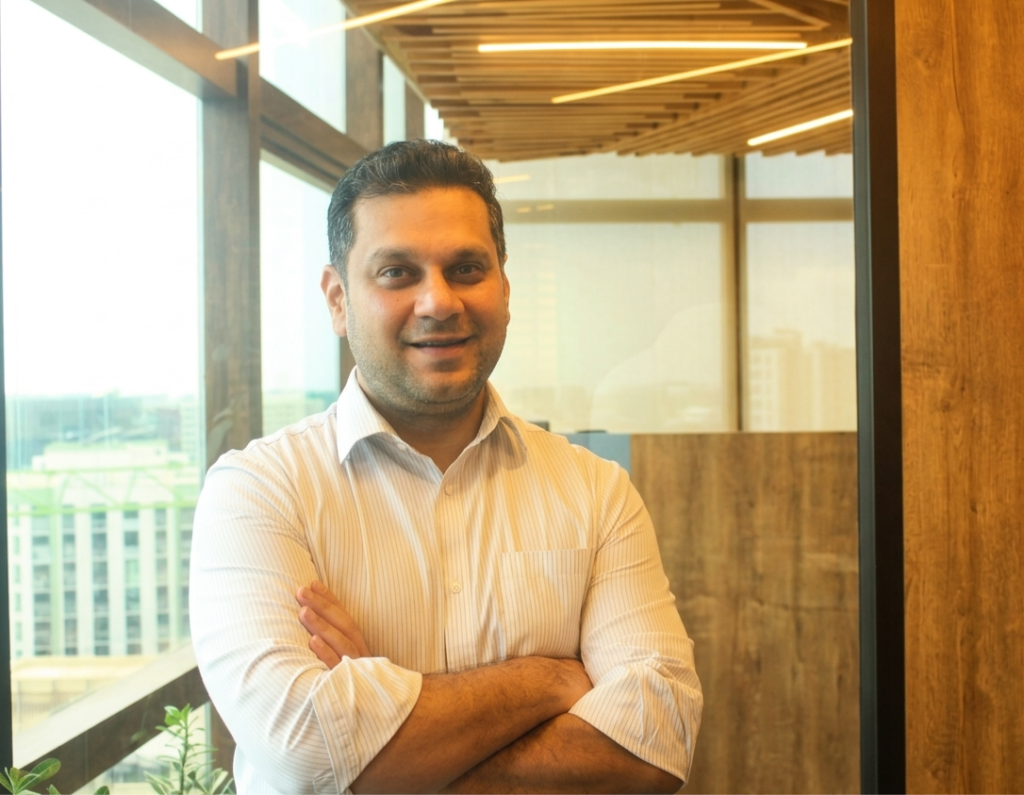
Sanat Hooja
Partner, Machan Resorts
What is the industry’s biggest sustainability blind spot?
The biggest sustainability blind spot is assuming that sustainability begins after a hotel opens. It actually starts at the design stage. At The Machan, Lonavala, our tree houses are elevated above the ground to minimize disturbance to the forest floor and natural drainage patterns. We utilize solar energy, practice greywater recycling, and support rainwater harvesting to reduce our environmental footprint. Sustainable hospitality is not just about operations it is about how responsibly a property coexists with nature from day one.
Which environmental metric should every hotel CEO track?
Carbon footprint per occupied room. It provides a clear picture of how efficiently a property is operating and its actual environmental impact.
What difficult sustainability decision has your organization made recently?
One of the most difficult sustainability decisions has been balancing growth with responsible operations. As The Machan expands its management footprint through upcoming projects in Mulshi, Karjat, Panchgani, Aurangabad, Mumbai Metropolitian regions etc and our heritage property in Mandawa, we recognize that every destination presents unique environmental challenges and opportunities. Our focus is on gradually integrating sustainable practices from energy efficiency and water conservation to responsible waste management while respecting the character of each property and its surroundings.
Where is hospitality making real progress and where is it merely talking?
The industry is making real progress in reducing single-use plastics and improving waste management. However, biodiversity conservation often remains more of a discussion than a measurable commitment. At The Machan, we are privileged to coexist with a thriving ecosystem. Nature is still vastly unexplored, and every day offers an opportunity to learn more about and from the environment we are committed to protecting.
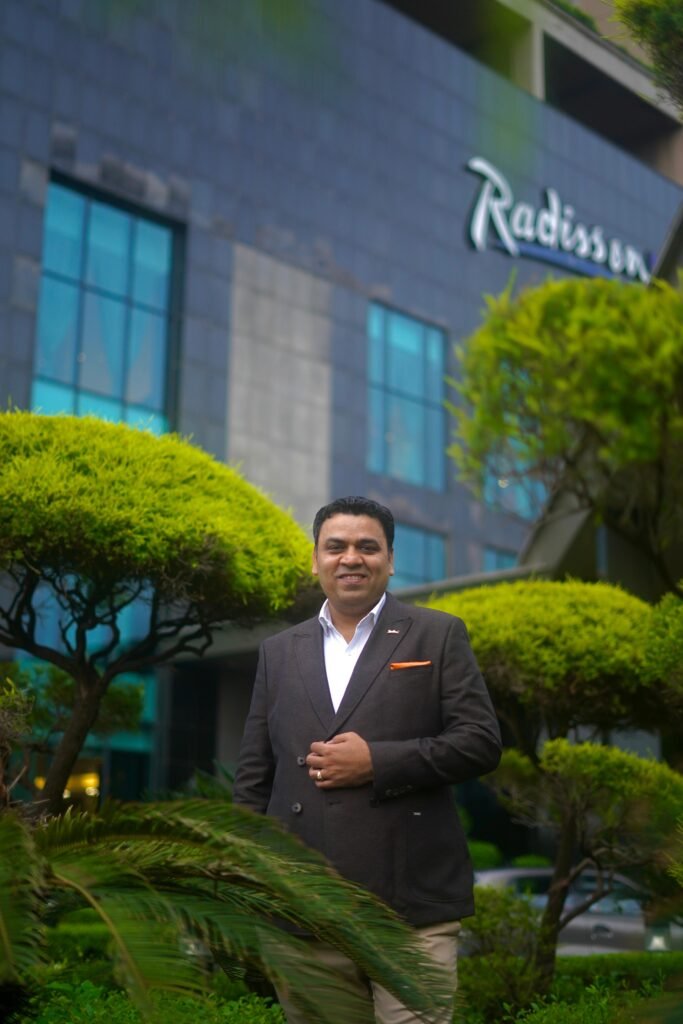
Anuj Soin
General Manager, Radisson Blu Hotel New Delhi Paschim Vihar
What is the industry’s biggest sustainability blind spot?
“One of hospitality’s biggest sustainability blind spots is treating sustainability as a standalone initiative rather than embedding it into everyday decision-making. Real impact comes when sustainability influences how we operate, invest, procure, and engage with our people. At Radisson Blu Hotel New Delhi Paschim Vihar, we align our efforts with Radisson Hotel Group’s Responsible Business pillar and our belief to Think People First, ensuring that sustainability creates value for guests, employees, communities, and the environment alike.”
Which environmental metric should every hotel CEO track?
“If I had to choose one metric, it would be energy consumption per occupied room. It provides a clear measure of operational efficiency while directly reflecting environmental impact. Tracking this consistently helps hotels make informed decisions, reduce resource consumption, and drive meaningful progress toward their sustainability goals.”
What difficult sustainability decision has your organization made recently?
“One of the most challenging decisions is balancing guest expectations with responsible consumption. As hoteliers, we must ensure that sustainability enhances rather than compromises the guest experience. This often requires rethinking long-standing practices, investing in alternatives, and bringing teams together around a shared purpose. Our belief that Every Moment Matters guides us in making choices that are both responsible and guest-centric.”
Where is hospitality making real progress—and where is it merely talking?
“The industry has made genuine progress in areas such as energy efficiency, waste management, and reducing single-use plastics. However, there is still a gap between commitments and measurable outcomes. The future belongs to organizations that can demonstrate impact through transparent reporting and accountable action. As we say at Radisson Hotel Group, we are Many Minds with One Mindset, and meaningful sustainability progress happens when everyone works toward a common goal.”
Somrup Chanda
General Manager, Fairfield by Marriott Kolkata
The Sustainability Conversation Hospitality Keeps Postponing
The Biggest Blind Spot
Our biggest blind spot is the hidden footprint of the supply chain (Scope 3 emissions). While hotels focus heavily on guest-facing green initiatives, the environmental impact of how goods are produced, packaged, and transported to our loading bays is often overlooked. True sustainability requires auditing our vendors as rigorously as we audit our own properties.
The Metric Every CEO Must Track
Tracking energy in a vacuum is misleading, every hotel leader must track Carbon Intensity per Occupied Room (POR) alongside Food Waste Intensity per Cover. Tying carbon emissions and food waste directly to guest occupancy and dining covers provides an accurate, scalable look at operational efficiency.
Our Recent Difficult Sustainability Decision
At Fairfield by Marriott Kolkata, we are committed to a strict local-first sourcing policy for our culinary operations. This meant entirely dropping certain popular, high-carbon-footprint imported ingredients. It was a challenging decision that required reshaping menu engineering and retraining our culinary teams. However, it successfully minimized food miles and directly supported our local agricultural community.
Real Progress vs. Mere Talk
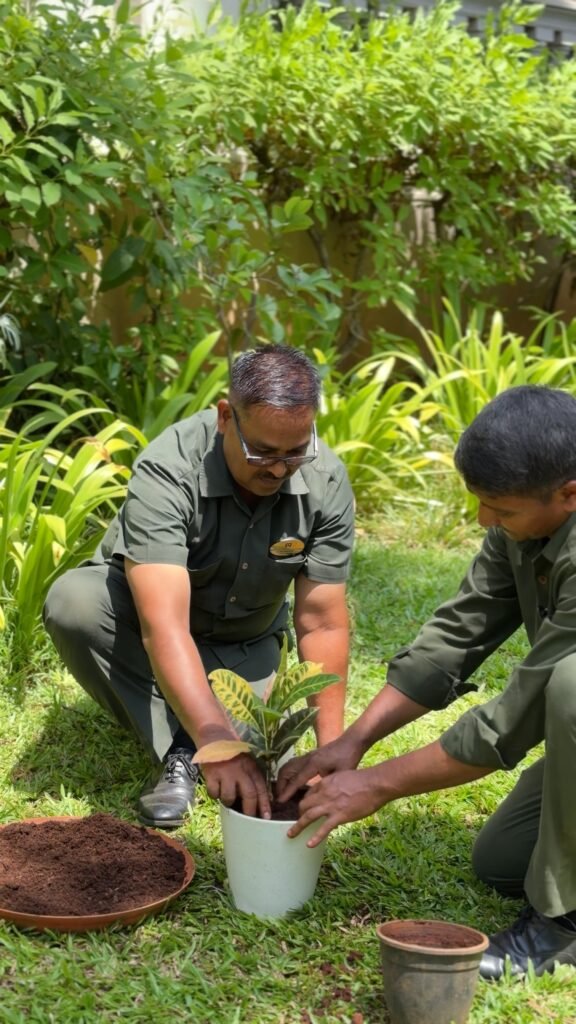
Hospitality is making real progress in eliminating single-use plastics and adopting energy-efficient building automation. Guests can visibly see and feel these changes. At Fairfield By Marriott Kolkata and Ozone convention Centre we are working on public area display presentations to educate our guests about the carbon reduction, water and energy reduction initiatives.
Wince Johnson
Head of Technical services ITC Grand Central Mumbai
1. What is the industry’s biggest sustainability blind spot?
One of the biggest blind spots in hospitality is underestimating the full environmental cost of “invisible consumption” — especially embedded carbon in procurement, outsourced services, and supply chains. While most hotels focus on visible initiatives like plastic reduction or linen reuse, a significant impact still lies in what is being sourced, from where, and how transparently suppliers are held accountable on sustainability metrics.
2. Which environmental metric should every hotel CEO track?
Beyond the standard energy and water consumption metrics, every hotel CEO should closely track carbon emissions per occupied room. This single metric gives a more realistic picture of operational efficiency while linking occupancy, guest behaviour, and supply chain impact into one actionable indicator.
3. What difficult sustainability decision has your organization made recently?
A key difficult decision has been re-evaluating long-standing vendor partnerships based on sustainability compliance, even when it involved higher short-term costs or operational adjustments. Transitioning to more responsible sourcing — whether in amenities, F&B, or packaging — required phased changes, internal alignment, and guest communication, but it was necessary to ensure long-term environmental accountability.
4. Where is hospitality making real progress and where is it merely talking?
Real progress is visible in energy efficiency, water conservation systems, and the shift toward eliminating single-use plastics, where measurable outcomes are now being tracked and reported. However, “green storytelling” still outpaces action in some areas, particularly in carbon neutrality claims and supply chain transparency, where industry-wide standardization is still evolving. The gap between intent and verification remains the biggest challenge.
Kamaraj Masilamani
Director of Engineering, Hyatt Regency Chennai
What is the industry’s biggest sustainability blind spot?
The industry’s biggest sustainability blind spot is the gap between intent and measurable impact.
While most hotels today publicly commit to sustainability—through policies, certifications, and guest-facing initiatives—the real challenge lies in embedding sustainability into core operational and financial decision-making. Too often, sustainability remains a parallel agenda rather than a performance driver.
A key blind spot is over-reliance on visible, low-impact initiatives such as linen reuse programs or eliminating single-use plastics. While these are important, they do not address the largest environmental contributors in hospitality—namely energy consumption, water usage, HVAC efficiency, and asset lifecycle management.
Another concern is the lack of real-time, data-driven monitoring. Many properties still track sustainability metrics retrospectively or at a high level, without integrating them into daily engineering operations or linking them to cost efficiency and asset performance.
There is also a tendency to defer difficult capital decisions, such as replacing aging chillers, upgrading inefficient FCUs, or investing in renewable energy systems. These require upfront investment but deliver long-term environmental and financial returns. Without decisive action, hotels continue to operate inefficient systems that significantly increase carbon footprint and resource consumption.
Finally, the industry often underestimates the importance of cross-functional accountability. Sustainability cannot be owned by a single department—it must involve engineering, procurement, operations, and leadership, with clear targets and accountability at each level.
In summary, the blind spot is not a lack of awareness, but a lack of integration—where sustainability is still seen as a responsibility rather than a business-critical performance parameter.
Which environmental metric should every hotel CEO track?
For a hotel CEO, many environmental KPIs exist (energy, water, waste), but one metric stands above the rest from a strategic ESG and business perspective:
Carbon footprint (GHG emissions) — especially “carbon per occupied room”
Why this is the most critical metric
- It is the universal benchmark across the industry
Standard frameworks like HCMI (Hotel Carbon Measurement Initiative) are built specifically to measure a hotel’s total greenhouse gas emissions in a consistent way. - It aggregates multiple operational impacts into one number
Carbon footprint already captures energy use, fuel consumption, HVAC operations, laundry, and more—making it a single, comprehensive indicator rather than tracking each separately. - It is the primary ESG and investor metric
Global hospitality KPIs emphasize greenhouse gas emissions, energy, water, and waste, with carbon being central to climate commitments and reporting frameworks. - It is directly linked to regulations and future compliance
The industry is expected to reduce carbon emissions per room night significantly by 2030 and beyond, aligned with global climate targets. - It influences revenue and corporate demand
Many corporate clients and travel platforms now require carbon footprint reporting for hotel selection, making it commercially critical.
What difficult sustainability decision has your organization made recently?
One of the most difficult sustainability decisions we made recently was prioritizing long‑term environmental impact over short‑term operational cost efficiencies.
Specifically, we committed to upgrading legacy building systems—HVAC, water management, and energy controls—to more sustainable technologies, despite the significant upfront capital investment and temporary disruption to operations. While these systems were still functional, they were not aligned with our long‑term carbon and water reduction goals.
The challenge was balancing guest experience, cost pressures, and sustainability ambitions. However, we recognized that delaying such decisions would only increase both environmental impact and future retrofit costs.
This decision reflects a broader shift—from incremental improvements to more decisive, systemic changes—ensuring that sustainability is embedded into core asset management and engineering strategy, rather than treated as a secondary initiative.
Where is hospitality making real progress—and where is it merely talking?
1) Digital guest journey & automation (now operational, not experimental)
This is the strongest area of real, visible change:
- Mobile check‑in, digital keys, and app‑driven service flows are now standard in many hotels
- AI is already being used for:
- Revenue optimization and predictive pricing
- Chatbots for guest interaction
- Smart rooms that adjust lighting/temperature automatically
Result:
- Faster service delivery
- Lower manpower dependency
- More consistent guest experience
2) Personalization (moving from concept to execution)
Hotels are actively using data to tailor guest experiences:
- AI-driven personalization from booking to stay experience
- Guests increasingly expect customized services; a majority prefer personalized stays.
Examples:
- Personalized room settings
- Tailored offers and upselling
- Preference-based service delivery
3) Operational efficiency & predictive maintenance
Technology is improving backend operations:
- AI-driven maintenance planning and inventory optimization.
- Predictive systems reduce breakdowns and service delays
- Strong alignment with your work:
- FCU failures, coil leaks, and efficiency issues can shift from reactive to predictive
- Maintenance becomes data-driven instead of complaint-driven
4) Sustainability (progress mainly in energy and cost-linked areas)
Real progress is happening—but selectively:
- Hotels are actively reducing:
- Energy consumption
- Waste generation
- Carbon emissions
- Sustainability is now tied to:
- Cost reduction
- Investor expectations
- Guest demand
Key point:
Where sustainability reduces costs, it gets implemented faster (e.g., energy efficiency).
5) Revenue & business model innovation
Hotels are adapting to new demand patterns:
- Co-working spaces, hybrid stays, “leisure” travel
- Flexible booking, unbundled services
This is happening because:
- It directly impacts revenue and occupancy
Where hospitality is still mostly talking (or struggling)
1) ESG & sustainability integration (biggest gap)
Despite strong messaging:
- Many hotels market sustainability heavily but struggle to implement it consistently
- ESG frameworks are complex, and many don’t know how to translate them into actionable metrics
Reality:
- Departments operate in silos
- Data is weak or inconsistent
- Certifications are costly and sometimes superficial
Classic issue:
“Green marketing ahead of green operations.”
2) Water management & deeper resource efficiency
Even within sustainability:
- Water efficiency is still a “blind spot” in many hotels
Why this matters (especially for your context):
- High water use in HVAC, laundry, and kitchens
- Often not tracked as rigorously as energy
3) Workforce transformation & staffing reality
This is a major gap between ambition and execution:
- Persistent labor shortages across roles
- High attrition, skill gaps, and rising wage pressures
Industry challenge:
- Everyone talks about “service excellence”
- But staffing instability directly affects service delivery
For you:
- Engineering reliability often compensates for manpower gaps
- Poor maintenance → higher guest complaints → more pressure on limited staff
4) Consistent guest experience delivery
Despite all talk about “experience”:
- Service quality varies due to:
- Staffing gaps
- aging infrastructure
- inconsistent maintenance
Your own environment reflects this clearly:
- Issues like FCU coil failures, door repairs, leakage
real operational effort, but also highlight how reactive maintenance still dominates
5) Technology integration (execution gap)
While tech adoption is high:
- Integrating systems into daily operations remains difficult
- Many hotels invest but don’t fully utilize systems
Result:
- Partial digitization
- “Tools exist, but aren’t embedded”
6) Financial prioritization (talk vs reality)
Hotels face:
- Rising energy, labor, and supply costs
- Limited budgets for CAPEX and upgrades
- Everyone talks about transformation
- But capital constraints delay real implementation
Bottom line (practical lens)
Real progress = areas tied to:
- Revenue impact → personalization, guest journey
- Cost savings → energy efficiency, automation
- Immediate ROI → AI, digital processes
Mostly talking = areas requiring:
- Cultural change → ESG integration
- Cross-functional coordination → sustainability, service consistency
Heavy investment without short-term ROI → infrastructure upgrades, workforce transformation

Deepak Giri Goswami
Director of Food & Beverage Spice Route Restaurant & Catering, New Jersey
Where Is Hospitality Making Real Progress—And Where Is It Merely Talking?
The hospitality industry is often praised for its growing commitment to sustainability, employee welfare, and social responsibility. Yet the gap between intention and execution remains significant. While genuine progress is visible in certain areas, other commitments continue to exist largely in presentations, reports, and marketing campaigns.
One area where hospitality is making measurable progress is technology-driven efficiency. Hotels are increasingly using smart energy systems, occupancy sensors, and digital processes that reduce paper consumption and utility waste. Many restaurants have improved inventory management through data analytics, helping minimize food waste while improving profitability. These changes are delivering tangible environmental and financial benefits.
The industry is also showing improvement in workforce development. More organizations are investing in leadership training, professional certifications, and employee engagement programs. The conversation around mental health, once considered taboo in hospitality, is gradually becoming part of workplace culture.
However, hospitality often struggles when it comes to addressing deeper structural challenges. Carbon neutrality commitments are frequently announced, but many businesses lack clear roadmaps, transparent reporting, or measurable milestones. Sustainability goals are often discussed enthusiastically without sufficient investment to achieve them.
Similarly, responsible sourcing remains more aspirational than operational for many operators. Menus may feature terms such as “local,” “ethical,” or “sustainable,” yet supply chains are rarely audited comprehensively. The complexity of procurement often makes meaningful change difficult.
Another area where rhetoric sometimes exceeds reality is employee retention. Many companies speak about creating people-first cultures, yet long working hours, staffing shortages, and burnout continue to affect hospitality professionals across the sector.
The industry’s challenge is not a lack of awareness. Hospitality leaders understand the issues and increasingly recognize their importance. The real test lies in converting commitments into consistent action. Progress is happening, but the businesses creating lasting impact are those moving beyond public statements and embedding sustainability, accountability, and employee well-being into everyday operations rather than treating them as branding exercises.
Ravi Kumar
Housekeeping Manager, The Westin Pushkar Resort & Spa
What is the hospitality industry’s biggest sustainability blind spot?
One of the hospitality industry’s biggest sustainability blind spots is the tendency to focus primarily on visible sustainability initiatives while overlooking the operational systems that drive a property’s actual environmental footprint. Guests often notice efforts such as reduced plastic usage, eco-friendly amenities, or linen reuse programs, but the most significant impact lies in how hotels manage energy, water, waste, and infrastructure behind the scenes. Sustainability should not be treated as a marketing initiative but as a core operational philosophy embedded across every department.
At The Westin Pushkar Resort & Spa, we believe meaningful environmental responsibility begins with resource efficiency. Located in Rajasthan, where water conservation is particularly critical, we have invested in renewable energy generation through our solar plant and implemented in-house water treatment systems to support responsible resource management. True sustainability is measured not by what guests see, but by the systems and practices that consistently reduce environmental impact every day.
Which environmental metric should every hotel CEO track?
If there is one environmental metric every hotel CEO should closely monitor, it is water consumption per occupied room. Water is one of hospitality’s most essential and finite resources, touching nearly every aspect of hotel operations—from guest accommodations and food preparation to laundry services, landscaping, and recreational facilities. As climate variability and water stress continue to affect many destinations, responsible water management has become a strategic business imperative rather than simply an environmental consideration.
At The Westin Pushkar Resort & Spa, water stewardship remains a key priority. Through our in-house water treatment systems and ongoing conservation initiatives, we continuously seek opportunities to improve efficiency and reduce wastage. Monitoring water consumption provides valuable operational insights, supports long-term sustainability goals, and helps hotels build resilience while ensuring responsible growth for the future.
What difficult sustainability decision has your organization made recently?
One of the most important sustainability decisions we have made is prioritizing long-term environmental investments over short-term operational benefits. Infrastructure projects such as renewable energy installations and advanced water treatment systems require significant capital, planning, and commitment, often without immediate financial returns. However, sustainability requires organizations to look beyond short-term gains and focus on creating lasting value.
At The Westin Pushkar Resort & Spa, our investments in solar energy generation and responsible water management reflect this long-term perspective. These decisions are not always the easiest from a business standpoint, but they are essential for reducing environmental impact, strengthening operational resilience, and contributing positively to the communities and ecosystems in which we operate. Sustainability leadership is often about making choices today that will benefit future generations.
Where is hospitality making real progress—and where is it merely talking?
The hospitality industry has made encouraging progress in several areas, particularly in renewable energy adoption, water conservation, waste management, and the integration of sustainable practices into daily operations. More hotel brands and owners now recognize that environmental responsibility
is not only an ethical obligation but also a key component of long-term business success. However, there remains a gap between sustainability commitments and measurable outcomes. While sustainability messaging has become widespread, the industry must place greater emphasis on transparent reporting, accountability, and data-driven results. Guests, investors, and stakeholders increasingly expect evidence of real impact rather than broad claims.
At The Westin Pushkar Resort & Spa, we believe sustainability should be demonstrated through tangible action—from our solar energy initiatives and water treatment systems to our ongoing efforts to improve operational efficiency. Real progress happens when sustainability becomes part of everyday decision-making rather than a standalone conversation.


Chef Mahesh Dhami
Executive Chef at Zaya Indian & Persian Kitchen, McAllen
Where Is Hospitality Making Real Progress—And Where Is It Merely Talking?
The hospitality industry has become increasingly vocal about sustainability, diversity, employee well-being, and responsible business practices. Sustainability reports, ESG commitments, and social responsibility campaigns are now common across hotels, restaurants, and hospitality groups worldwide. However, the question remains: where is the industry making genuine progress, and where is it simply talking?
One area of real progress is energy efficiency. Many hotels have invested in LED lighting, smart room controls, water-saving fixtures, and renewable energy solutions. These initiatives not only reduce environmental impact but also lower operational costs, making sustainability a practical business decision. Food waste reduction programs have also gained momentum, with restaurants adopting better inventory management, composting systems, and partnerships with food recovery organizations.
Another positive development is the growing focus on employee well-being. Forward-thinking hospitality companies are introducing mental health support, flexible scheduling, training programs, and career development opportunities. These efforts recognize that guest satisfaction is closely tied to employee satisfaction.
However, some areas continue to be dominated by promises rather than measurable action. Plastic reduction remains a challenge despite widespread commitments. Single-use items are still common in many operations, particularly where convenience often outweighs environmental considerations. Similarly, while diversity and inclusion are frequently highlighted in corporate messaging, leadership positions across the industry often do not reflect the diversity of the workforce.
Climate resilience is another topic receiving significant attention but limited action. As extreme weather events, water shortages, and rising temperatures increasingly affect tourism destinations, many hospitality businesses are still in the planning stage rather than implementing comprehensive adaptation strategies.
The future of hospitality will not be defined by ambitious statements alone. Genuine progress requires transparency, measurable goals, and accountability. The industry has demonstrated that meaningful change is possible when sustainability and people-focused initiatives are integrated into daily operations. The challenge now is ensuring that commitments translate into consistent action rather than remaining marketing narratives.
Chef Gaurav Chauhan
Executive Chef Namak Indian Restaurant and Bar, Dallas, Texas
What Is the Hospitality Industry’s Biggest Sustainability Blind Spot?
The hospitality industry has made sustainability a central part of its conversation. Hotels are eliminating plastic straws, restaurants are sourcing local ingredients, and businesses proudly promote eco-friendly initiatives. While these efforts are important, one of the industry’s biggest sustainability blind spots remains largely overlooked: the environmental impact of its supply chain.
Many hospitality businesses focus on visible sustainability measures that guests can easily recognize. Reusable amenities, recycling bins, and energy-efficient lighting are positive steps, but they represent only a portion of a property’s overall environmental footprint. The majority of emissions and resource consumption often occur long before products arrive at a hotel or restaurant.
Food sourcing provides a clear example. A menu may highlight local produce, but imported ingredients, excessive packaging, and inefficient transportation networks can significantly increase environmental impact. Similarly, hotel furnishings, linens, cleaning products, and guest amenities are frequently sourced from suppliers whose manufacturing practices remain largely unexamined.
Another overlooked issue is overconsumption. Hospitality has traditionally been built around abundance—large buffets, oversized portions, constant replacement of furnishings, and frequent renovations. While these practices are often associated with luxury and guest satisfaction, they can generate substantial waste and resource depletion.
The industry also tends to focus heavily on short-term sustainability wins rather than long-term environmental resilience. Investments in energy-saving technology are valuable, but many businesses still lack comprehensive strategies for reducing carbon emissions across their entire operations and supply networks.
Addressing this blind spot requires a shift from visible sustainability to systemic sustainability. Hospitality leaders must look beyond guest-facing initiatives and evaluate the full lifecycle of the products and services they use. This means engaging suppliers, measuring environmental impact more accurately, and prioritizing responsible procurement decisions.
The future of sustainable hospitality will depend not only on what guests see but also on the unseen choices made behind the scenes. True sustainability begins when the entire value chain becomes part of the conversation.