The Appeal of the Uncommon Pour: Exploring the Craft and Character of Limited-Edition Indian Single Malts
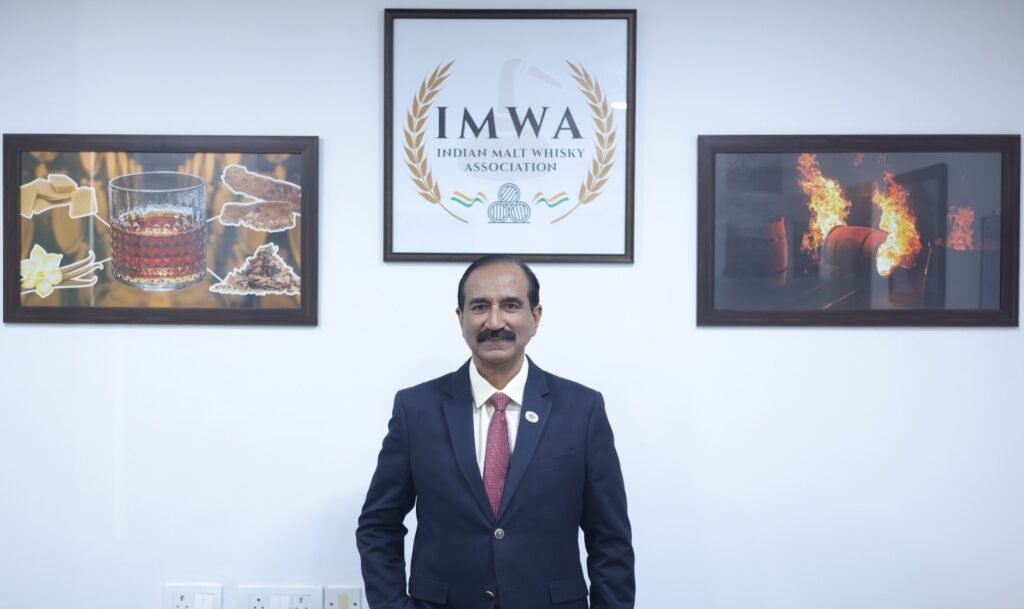
- By Maj Gen (Dr) Rajesh Chopra, AVSM (Retd), Director General, Indian Malt Whisky Association (IMWA) India’s single malt journey is being shaped by an increasing diversity of expressions, with distilleries exploring new ways to interpret

– By Maj Gen (Dr) Rajesh Chopra, AVSM (Retd), Director General, Indian Malt Whisky Association (IMWA)
India’s single malt journey is being shaped by an increasing diversity of expressions, with distilleries exploring new ways to interpret the craft of whisky-making. Alongside established portfolios, small-batch and limited-edition releases are adding an interesting dimension to the category. These expressions offer producers the opportunity to experiment with cask selection, maturation techniques and flavour development, while giving consumers a closer understanding of the craftsmanship behind each bottle.
What makes these releases particularly appealing is not simply their limited availability, but the individuality they bring to the whisky experience. Each can reflect a specific creative decision, a distinctive maturation journey or an interpretation of the distillery’s production philosophy.
A Diverse Landscape of Distilling Approaches
Indian Single Malt is represented by producers with different histories, geographical settings and approaches to production. From Amrut and Paul John to Rampur, Indri, Godawan and Gamber Valley, the category brings together a variety of distilling philosophies. Their limited-edition portfolios demonstrate how individual producers are exploring the possibilities of malt whisky.
Recent releases offer interesting examples of this diversity. Paul John’s annual Christmas Edition, including its 2026 expression finished in Spanish Moscatel casks, illustrates how cask finishing can introduce distinctive flavour dimensions. Amrut’s CaféX, developed in collaboration with Harley Estate and matured in coffee-seasoned casks, demonstrates an unconventional approach to cask experimentation. Rampur’s Jugalbandi series brought together contrasting cask influences across its cask-strength expressions, while Indri’s Diwali Collector’s Edition 2026 explored the character of ex-ruby port casks.
Godawan 173: The Collector’s Edition offers another perspective by connecting a rare whisky release with a conservation narrative inspired by the Great Indian Bustard. Meanwhile, Gamber Valley’s entry into the luxury segment through its Private Collection 1 and The Vault Series reflects the growing range of premium expressions emerging from Indian producers.
Together, these releases demonstrate that Indian Single Malt is not defined by a uniform flavour profile. Instead, its strength lies in the individuality of its distilleries and their willingness to explore different dimensions of the craft.
Where Cask Selection Meets Maturation Expertise
The character of a whisky develops through several interconnected decisions, with maturation playing a particularly influential role. The type of oak, the previous use of a cask, the spirit’s composition and the surrounding climate all contribute to the final expression.
India’s warmer climatic conditions create a distinctive maturation environment. Higher temperatures influence the interaction between the spirit and the oak, affecting flavour extraction, evaporation and the development of aroma and texture. For distillers, understanding these conditions is essential to managing casks and achieving the intended character.
Limited-edition releases provide an opportunity to explore these influences more closely. By selecting particular casks or experimenting with finishing techniques, producers can highlight flavour characteristics that may differ from their regular expressions. This requires both technical understanding and creative judgement, particularly when working with selected casks that offer unique maturation outcomes.
An Evolving Consumer Appreciation
The interest in limited-edition Indian Single Malts also reflects changing consumer expectations. Whisky enthusiasts are increasingly curious about provenance, ingredients, production methods and the thinking behind individual releases. They want to understand not only what distinguishes a whisky in the glass, but also the decisions that have shaped its character.
For producers, communicating these details is an important part of building consumer confidence. Transparency around cask selection, maturation and production practices allows consumers to appreciate the craftsmanship beyond the presentation of the bottle. It also helps establish a more informed relationship between distilleries and their audiences.
Beyond Rarity: The Value of Craftsmanship
As Indian Single Malt gains wider recognition, limited-edition expressions can play an important role in showcasing the category’s creative and technical capabilities. However, their lasting appeal must come from the quality of the spirit and the thought behind its creation, rather than scarcity alone.
At the Indian Malt Whisky Association (IMWA), we believe that innovation, craftsmanship and transparency must progress together. These values will be important in strengthening the identity of Indian malt whisky and helping consumers understand the diversity within the category.
Ultimately, the appeal of the uncommon pour lies in the experience of discovering something distinctive. When supported by thoughtful production and genuine craftsmanship, limited-edition releases become more than collectible bottles; they offer a glimpse into the creative direction of Indian distilleries and the possibilities shaping the next chapter of Indian Single Malt.