Railways Reviews Safety, Punctuality and Passenger Grievances at Delhi Division Control Office
MoS V. Somanna Inspects 24×7 Railway Operations, SCADA Centre and War Room; Stresses Technology-Driven Safety and Operational Efficiency Minister of State for Railways and Jal Shakti V. Somanna reviewed railway safety, train operations, punctuality and public
MoS V. Somanna Inspects 24×7 Railway Operations, SCADA Centre and War Room; Stresses Technology-Driven Safety and Operational Efficiency
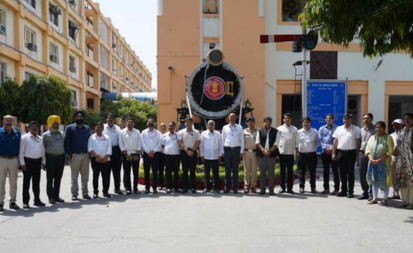
Minister of State for Railways and Jal Shakti V. Somanna reviewed railway safety, train operations, punctuality and public grievances during his visit to the Delhi Division Control Office on 9 September.
The Minister interacted with railway officials and staff and held discussions with Delhi Division DRM Pushpesh R. Tripathi and his team on operational challenges, technology adoption, staff working conditions and future infrastructure development.
Key Highlights
- MoS V. Somanna reviewed safety, train operations, punctuality and public grievances.
- Delhi Division’s Control Office operates 24×7, 365 days a year.
- Minister inspected Engineering, Coaching, Goods, Commercial, Signal & Telecom, Traction and Security Controls.
- Visited the SCADA Centre and Delhi Division War Room.
- Emphasised greater use of technology to improve railway safety and reduce human error.
- Discussions covered staff working conditions and future railway infrastructure.
- Technology adoption is being strengthened across train operations, safety supervision and maintenance monitoring.
Delhi Control Office Monitors Railway Operations Round the Clock
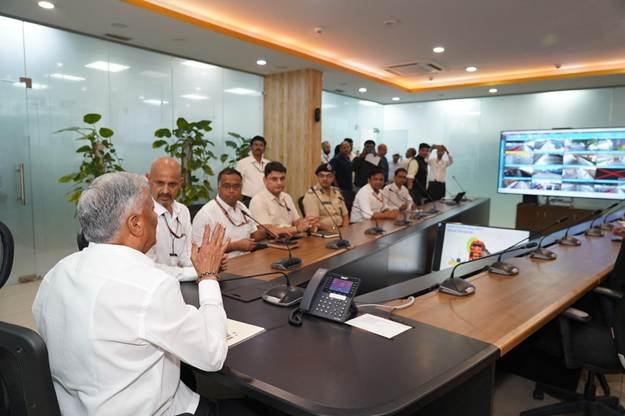
The Control Office functions as the operational nerve centre of a railway division, where train movements, maintenance planning, supervision and safety-related activities are monitored continuously.
During his visit, Somanna reviewed the functioning of Section Controllers and several operational verticals, including Engineering, Coaching, Goods, Commercial, Signal & Telecom, Traction and Security Controls.
He also visited the Supervisory Control and Data Acquisition (SCADA) Centre and the Delhi Division’s War Room to understand how technology-enabled systems are being used to monitor railway operations.
Focus on Safety, Punctuality and Passenger Grievances
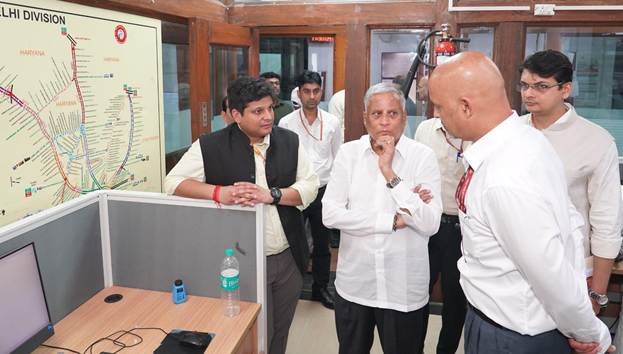
The review covered key areas affecting passenger experience, including train punctuality, operational safety and public grievances.
Delhi Division is among the most complex administrative divisions within Indian Railways. The Minister interacted with frontline personnel to understand operational challenges and identify areas where further improvements could be made.
The discussions also focused on greater technology adoption, improving staff working conditions and strengthening railway operations and infrastructure in the future.
Technology to Strengthen Railway Safety
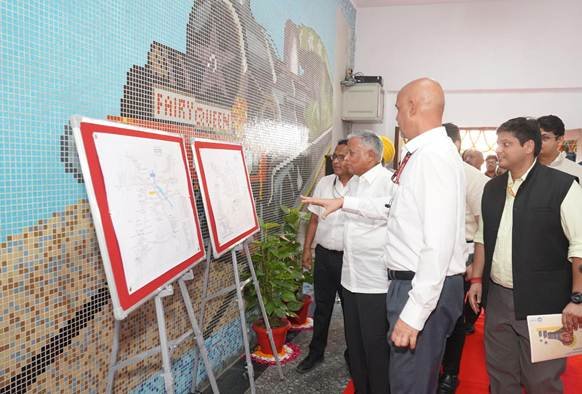
Somanna highlighted the growing use of technology across Indian Railways, particularly in train operations, safety supervision and maintenance monitoring.
According to the Ministry, technology-enabled systems are helping reduce the scope for human errors while strengthening safety and operational monitoring.
The Minister said these efforts will continue to be strengthened with a focus on Make in India and other government initiatives.
Railway Staff Appreciated for Round-the-Clock Operations
During the interaction, Somanna appreciated the discipline, dedication and commitment of railway employees.
He noted that railway personnel work around the clock to maintain safe and efficient train operations, with their level of commitment comparable to that of the Army.
The visit reinforced the importance of technology-driven monitoring, operational efficiency, safety supervision and staff-focused improvements across Indian Railways.
Impact on Hospitality, Travel and Tourism
For India’s travel and hospitality industry, railway operational efficiency has a direct influence on the overall visitor experience.
Improved punctuality: More reliable train operations can help tourists and business travellers better manage hotel check-ins, transfers, tours and connecting transportation.
Passenger experience: Faster attention to public grievances and stronger operational monitoring can contribute to a more reliable journey experience, which is particularly important for long-distance tourism and pilgrimage travel.
Tourism connectivity: Delhi Division is a critical part of India’s rail network and handles substantial passenger movement. Improvements in safety and train operations can support smoother movement of travellers connecting Delhi with major tourism, business and pilgrimage destinations across the country.
Hotels and food businesses: More predictable passenger flows can benefit hotels, restaurants, cafés, catering operators and other businesses located around major railway stations and tourism hubs.
Technology-led travel: Greater use of real-time monitoring and digital railway systems can contribute to a more efficient and dependable travel ecosystem, supporting India’s wider tourism and hospitality economy.
Strengthening the Rail Passenger Experience
The Delhi Division review comes at a time when technology, safety and operational reliability are increasingly important to India’s passenger transport network.
By strengthening 24×7 monitoring, technology-enabled safety systems, punctuality management and grievance response, Indian Railways can improve not only operational performance but also the overall experience of millions of passengers—including tourists, pilgrims and business travellers.
For the hospitality and tourism sector, a safer, more punctual and technology-enabled railway network can translate into more predictable travel, stronger destination connectivity and greater confidence among travellers.