Indian Railways Launches New Waste Management Framework on World Environment Day 2026
Railway Board unveils Solid Waste Management Rules 2026 SOP booklet as Indian Railways steps up sustainability efforts across stations, trains and operational facilities nationwide. Key Highlights Indian Railways launches Solid Waste Management Rules 2026 SOP Booklet. New framework
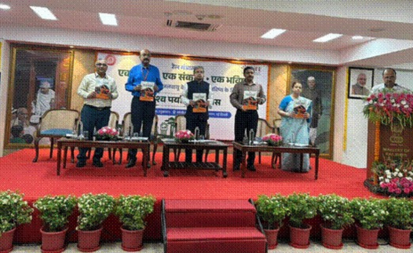
Railway Board unveils Solid Waste Management Rules 2026 SOP booklet as Indian Railways steps up sustainability efforts across stations, trains and operational facilities nationwide.
Key Highlights
- Indian Railways launches Solid Waste Management Rules 2026 SOP Booklet.
- New framework aims to standardise waste management practices across the railway network.
- Focus on environmental compliance, cleanliness and sustainable operations.
- Environmental pledge administered across railway establishments.
- Swachhata Pakhwada Awards recognise top-performing railway zones.
- North Eastern Railway ranked first in cleanliness performance.
- Initiative aligns with India’s broader sustainability and green mobility goals.
- Improved waste management expected to enhance passenger experience and tourism infrastructure.
Indian Railways Strengthens Sustainability Agenda with New Waste Management Framework
New Delhi, June 5: Marking World Environment Day 2026, Indian Railways has unveiled a comprehensive waste management framework aimed at strengthening environmental compliance, cleanliness standards and sustainable operations across its vast national network.
The centrepiece of the initiative was the launch of the Solid Waste Management Rules 2026 – Standard Operating Procedures (SOP) Booklet by Satish Kumar, Chairman and Chief Executive Officer of the Railway Board.
The new SOP framework has been designed to create uniform waste management practices across railway stations, offices, maintenance facilities and operational establishments while improving environmental governance throughout the organisation.
Addressing railway officials, Satish Kumar emphasized the importance of integrating sustainability into daily railway operations and called for stronger monitoring systems, improved environmental accountability and the adoption of best practices across all railway zones.
The initiative reflects Indian Railways’ broader commitment to reducing its environmental footprint while improving operational efficiency and passenger experience.
An environmental pledge was also administered during the event, encouraging railway employees and officials to actively contribute to building a cleaner and more environmentally responsible transport system.
Cleanliness Awards Recognise Best-Performing Railway Zones
As part of the World Environment Day celebrations, Indian Railways also announced the winners of the Swachhata Pakhwada Awards, recognising exceptional efforts in cleanliness and sanitation management.
The top-performing zones were:
Swachhata Pakhwada Awards 2026
🥇 North Eastern Railway – First Position
🥈 North Western Railway – Second Position
🥉 Southern Railway – Third Position
The awards highlight ongoing efforts by railway zones to improve sanitation standards, waste handling systems and overall passenger environment.
Why It Matters for Hospitality & Tourism
Sustainability is becoming a key factor in travel decisions, and transportation infrastructure plays a critical role in shaping visitor perceptions of destinations.
Indian Railways remains one of the largest carriers of domestic tourists, pilgrims and leisure travellers in the country. Improved waste management practices and cleaner railway environments directly contribute to a better travel experience, particularly at major tourism gateways and pilgrimage destinations.
Many of India’s most visited tourism circuits—including heritage cities, religious destinations, hill stations and coastal tourism hubs—depend heavily on rail connectivity. Cleaner stations and stronger environmental management can enhance destination image and improve visitor satisfaction.
The initiative also aligns with growing expectations among both domestic and international travellers for environmentally responsible transport systems.
Sustainability and Tourism Go Hand in Hand
For the hospitality industry, improvements in public infrastructure cleanliness often have a direct impact on destination attractiveness.
Hotels, resorts, restaurants and tourism operators increasingly benefit when transportation hubs maintain high environmental and sanitation standards. Better waste management can help create cleaner urban environments around railway stations, improve public spaces and strengthen destination branding efforts.
As India continues to promote sustainable tourism and responsible travel, Indian Railways’ focus on environmental stewardship supports broader national efforts to build greener tourism infrastructure and enhance the country’s appeal as a travel destination.
Industry Perspective
The launch of the Solid Waste Management Rules 2026 framework signals a shift from periodic cleanliness drives towards a more structured and system-driven approach to environmental management. For a transport network that serves millions of passengers daily, effective waste management is becoming an important component of service quality, sustainability and tourism readiness.
SEO Keywords
Indian Railways Sustainability, World Environment Day 2026, Railway Waste Management India, Solid Waste Management Rules 2026, Green Railways India, Sustainable Transport India, Railway Cleanliness Awards, Swachhata Pakhwada Awards, Tourism Infrastructure India, Responsible Travel India, Hospitality Industry Sustainability, Eco Friendly Rail Travel, Railway Station Cleanliness, Green Mobility India, Sustainable Tourism India.
Source: PIB | Ministry of Railways | June 5, 2026