India, Seychelles Sign Agriculture MoU to Boost Climate-Smart Farming and Food Security
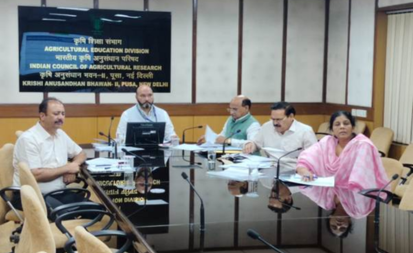
ICAR and Seychelles Agriculture Department sign five-year cooperation pact focusing on climate-smart agriculture, horticulture, post-harvest management and sustainable food systems. Key Highlights India and Seychelles sign a Memorandum of Understanding (MoU) on agricultural cooperation. Agreement signed during the
ICAR and Seychelles Agriculture Department sign five-year cooperation pact focusing on climate-smart agriculture, horticulture, post-harvest management and sustainable food systems.
Key Highlights
- India and Seychelles sign a Memorandum of Understanding (MoU) on agricultural cooperation.
- Agreement signed during the Prime Minister’s official visit to Seychelles.
- Five-year Work Plan (2026–2031) launched to implement joint initiatives.
- Collaboration to cover climate-smart agriculture, horticulture, livestock, post-harvest management and food security.
- Focus on research, technology transfer, scientist exchange and capacity building.
- Partnership strengthens India’s agricultural engagement with the Global South.
India Expands Global Agriculture Partnerships with Seychelles Through New ICAR Agreement
India has strengthened its international agricultural cooperation by signing a Memorandum of Understanding (MoU) between the Indian Council of Agricultural Research (ICAR) and the Agriculture Department, Ministry of Fisheries, Agriculture and Blue Economy of the Republic of Seychelles.
The agreement was signed during the Prime Minister’s official visit to Seychelles and aims to deepen bilateral collaboration in agricultural research, education, technology transfer and institutional capacity building.
Alongside the MoU, both countries also adopted a Five-Year Work Plan (2026–2031) to translate the partnership into practical cooperation across priority agricultural sectors.
Focus on Climate-Resilient and Sustainable Agriculture
The new work plan outlines collaboration in several strategic areas, including:
- Climate-smart agriculture
- Horticulture development
- Livestock management
- Post-harvest management
- Food and nutritional security
- Agricultural research and innovation
- Capacity building and knowledge exchange
The partnership also provides for joint research programmes, exchange of scientists, researchers and students, and the sharing of advanced agricultural technologies and best practices.
According to the Ministry, the initiative seeks to improve agricultural productivity, strengthen institutional linkages and build resilience against emerging challenges such as climate change and food insecurity.
Strengthening India’s Global South Outreach
The agreement adds to ICAR’s growing international footprint, with the organisation now maintaining more than 100 Memoranda of Understanding with institutions worldwide.
The Seychelles partnership reinforces India’s strategy of expanding agricultural cooperation with countries in the Global South through technology, innovation, research and sustainable development.
The collaboration is expected to support long-term agricultural development while contributing to global food and nutritional security.
Hospitality, Food & Tourism Impact
The India–Seychelles agricultural partnership carries strategic significance for the hospitality, tourism and food sectors in both countries, particularly as Seychelles is one of the Indian Ocean’s leading luxury tourism destinations.
Collaboration in horticulture, livestock and post-harvest management can improve the quality, availability and sustainability of fresh produce supplied to hotels, resorts and restaurants. Better post-harvest infrastructure and food management practices may also reduce wastage while strengthening local sourcing for the hospitality industry.
For India’s food processing, agri-tech and hospitality ecosystem, the agreement opens opportunities for knowledge exchange, agricultural technology exports and capacity-building initiatives that support tourism-driven food supply chains.
The focus on climate-smart agriculture also aligns with the growing demand among international travellers for sustainable tourism experiences, environmentally responsible food sourcing and resilient destination management.