DAHD Secretary Naresh Pal Gangwar Pushes for Stronger Veterinary Infrastructure During DUVASU Mathura Visit
Focus on animal health, dairy development, livestock productivity and rural entrepreneurship as India strengthens its livestock ecosystem Mathura, June 18, 2026: Shri Naresh Pal Gangwar, Secretary, Department of Animal Husbandry and Dairying (DAHD), Government of India,
Focus on animal health, dairy development, livestock productivity and rural entrepreneurship as India strengthens its livestock ecosystem
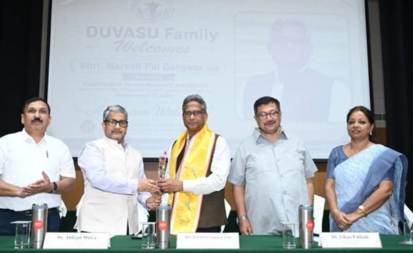
Mathura, June 18, 2026: Shri Naresh Pal Gangwar, Secretary, Department of Animal Husbandry and Dairying (DAHD), Government of India, visited the Uttar Pradesh Pandit Deen Dayal Upadhyaya Pashu Chikitsa Vigyan Vishwavidyalaya Evam Go Anusandhan Sansthan (DUVASU), Mathura, on June 17, underscoring the importance of modern veterinary infrastructure, livestock innovation and research-led rural development.
During the visit, the Secretary reviewed the university’s academic, research and clinical facilities, while highlighting the critical role veterinary institutions play in improving livestock productivity, dairy development, food security and farmer incomes.
Key Highlights
- DAHD Secretary reviews academic, clinical and livestock research facilities at DUVASU, Mathura
- Calls for strengthening veterinary infrastructure, diagnostic laboratories and breeding systems
- Visits India’s pioneering Goat Semen Freezing Facility
- Focus on animal health, dairy development and rural entrepreneurship
- Participates in “Ek Ped Maa Ke Naam” plantation campaign
- Encourages research-driven solutions for grassroots livestock farmers
- Reinforces collaboration between government and veterinary research institutions
Focus on Modern Veterinary Infrastructure
A key message emerging from the visit was the need to enhance veterinary infrastructure across India through modern clinical facilities, advanced diagnostic laboratories, breeding technologies and technology-enabled animal healthcare systems.
Addressing faculty members, researchers and students, Shri Gangwar emphasized that stronger veterinary institutions are essential for improving livestock productivity, controlling animal diseases and ensuring sustainable growth of the dairy and animal husbandry sectors.
He urged the academic community to develop practical and field-oriented innovations that can directly benefit farmers and livestock owners.
Spotlight on Advanced Goat Breeding Technologies
Among the highlights of the visit was the Secretary’s inspection of DUVASU’s specialized Goat Unit, including India’s pioneering Goat Semen Freezing Facility.
The facility supports genetic improvement, conservation and dissemination of superior goat germplasm, helping improve breeding outcomes and productivity among small ruminants. Such technologies are increasingly viewed as important tools for enhancing rural livelihoods, strengthening livestock-based incomes and supporting sustainable farming systems.
The Secretary appreciated the university’s work in reproductive biotechnology and discussed the role of scientific breeding programmes in advancing India’s livestock sector.
Research, Innovation and Skill Development
The visit also included inspections of the Teaching Veterinary Clinical Complex (TVCC), Livestock Farm Complex (LFC), advanced laboratories and teaching facilities.
Vice-Chancellor Dr. Abhijit Mitra highlighted DUVASU’s contributions to veterinary research, skill development and livestock innovation. Discussions focused on animal health management, dairy development, entrepreneurship opportunities and future growth pathways for the sector.
The interaction reinforced the importance of aligning institutional research with national priorities related to livestock development and food production.
Sustainability and Agriculture
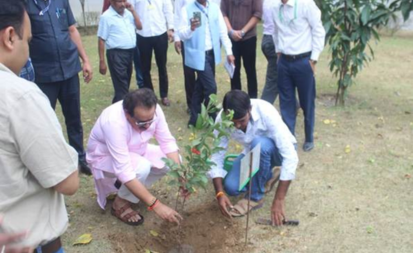
As part of the visit, Shri Gangwar participated in a plantation drive under the national campaign “Ek Ped Maa Ke Naam,” reinforcing the link between agricultural development and environmental sustainability.
The initiative highlighted the growing emphasis on integrating ecological responsibility into agricultural and livestock development strategies.
What It Means for Hospitality and Food Industries
While the visit focused on veterinary education and livestock research, its implications extend far beyond the farm sector.
India’s hospitality, foodservice and dairy industries rely heavily on a healthy and productive livestock ecosystem. Improvements in animal health, breeding technologies and veterinary services can contribute to higher-quality milk, dairy products and livestock-based food supplies, supporting hotels, restaurants, catering businesses and food processors.
Enhanced disease surveillance and veterinary healthcare infrastructure also strengthen food safety standards and supply-chain resilience—factors that are increasingly important for hospitality operators and consumers alike.
As India’s tourism and hospitality sectors continue to grow, investments in livestock productivity, dairy development and rural entrepreneurship are expected to play a crucial role in ensuring sustainable food sourcing and supporting farm-to-fork supply chains.
The visit signals the Government’s continued focus on building a modern, technology-driven livestock ecosystem capable of supporting both rural prosperity and the evolving needs of India’s food and hospitality economy.