Centre Steps Up Kharif Preparedness Amid El Niño Concerns, Pushes Cotton and Pulses Self-Reliance
Agriculture Minister Shivraj Singh Chouhan orders district-level contingency planning, reviews fertilizer stocks and launches mission-mode strategy to strengthen domestic crop production Key Highlights Centre reviews nationwide Kharif 2026 preparedness amid possible El Niño conditions. Special contingency plans to
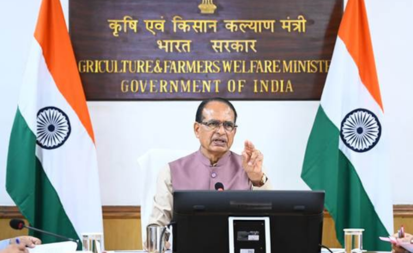
Agriculture Minister Shivraj Singh Chouhan orders district-level contingency planning, reviews fertilizer stocks and launches mission-mode strategy to strengthen domestic crop production
Key Highlights
- Centre reviews nationwide Kharif 2026 preparedness amid possible El Niño conditions.
- Special contingency plans to be developed for districts vulnerable to low or uneven rainfall.
- Weekly monitoring meetings to assess crop progress and weather-related risks.
- Mission-mode campaign launched to boost cotton production.
- Government intensifies efforts towards self-reliance in pulses to reduce import dependence.
- Fertilizer availability reviewed; states directed to ensure uninterrupted supply.
- Focus on strengthening coordination between agricultural institutions, KVKs and state departments.
Centre Strengthens Kharif Preparedness as El Niño Risks Loom, Focuses on Pulses and Cotton Output
New Delhi, June 16: The Centre has intensified preparations for the Kharif 2026 season amid forecasts of possible El Niño conditions, with Union Agriculture and Farmers’ Welfare Minister Shivraj Singh Chouhan directing officials to implement district-specific contingency plans and strengthen support systems for farmers across vulnerable regions.
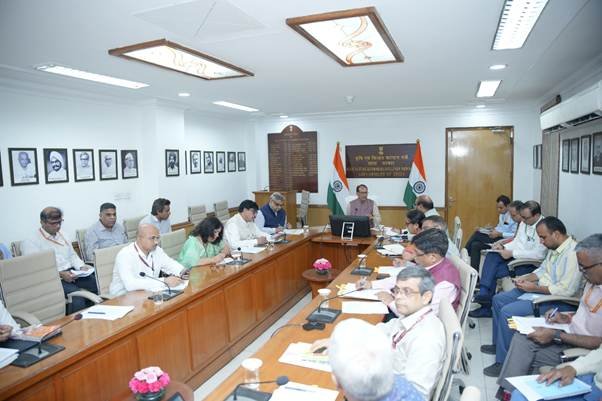
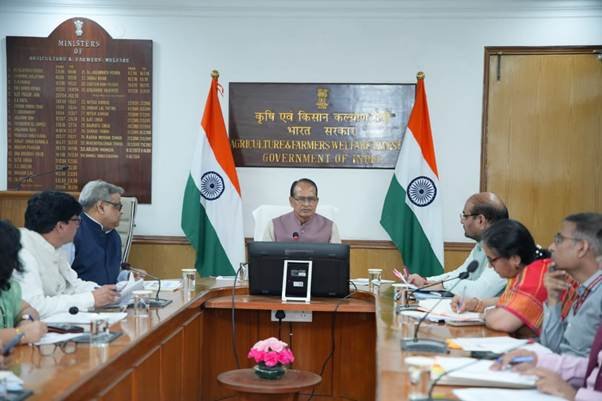
During a high-level review meeting at Krishi Bhavan, New Delhi, the minister assessed crop preparedness, fertilizer availability, water storage levels and sowing strategies while emphasizing the need for proactive measures to mitigate potential weather-related disruptions.
District-Level Action Plans for El Niño
Recognizing the risk of uneven or deficient rainfall in parts of the country, the Agriculture Ministry has instructed officials to identify vulnerable districts and develop crop-specific contingency plans in coordination with state governments.
The strategy includes promoting water conservation, moisture management, inter-cropping systems and alternative crop patterns to help farmers adapt to changing weather conditions.
The ministry will also conduct coordinated meetings with district administrations, Krishi Vigyan Kendras (KVKs) and agriculture departments in states expected to experience a stronger El Niño impact.
Cotton Production Mission Launched
The review meeting placed significant emphasis on improving cotton output during the Kharif season.
Officials have been directed to promote scientific cultivation practices, suitable seed varieties, mulching, moisture conservation and inter-cropping models to improve productivity and farmer incomes.
The government plans to implement the cotton strategy in mission mode, aiming to strengthen domestic production and improve agricultural profitability in key cotton-growing regions.
Pulses Self-Reliance Remains a Priority
The government has also renewed its focus on achieving self-sufficiency in pulses, particularly pigeon pea, black gram and moong.
The ministry is working with states to increase cultivation areas, improve seed availability and strengthen technical support systems to reduce India’s reliance on imported pulses.
The move is part of the broader Self-Reliance in Pulses Mission, which seeks to stabilize domestic supplies and improve food security while ensuring better returns for farmers.
Fertilizer Availability Under Review
The minister reviewed fertilizer stocks and directed officials to maintain smooth supply chains as monsoon-driven sowing activities gather momentum.
While fertilizer availability remains adequate at the national level, authorities have been instructed to identify potential local shortages and ensure timely distribution to avoid disruptions during the cultivation season.
Why This Matters for Hospitality and Food Processing
The government’s focus on strengthening domestic agricultural production has direct implications for India’s hospitality, food processing and foodservice sectors.
A successful Kharif season could help ensure stable supplies of:
- Pulses used extensively in restaurant and catering menus.
- Edible oil raw materials critical to food manufacturing.
- Cotton, which supports textile supply chains serving the hotel industry.
- Fresh agricultural produce that feeds food processing and hospitality businesses.
Increased domestic pulses production may also help moderate price volatility, a key concern for hotels, restaurants, institutional kitchens and food manufacturers that rely heavily on lentils and pulse-based ingredients.
Impact on Food Inflation and Supply Chains
Industry stakeholders will closely monitor the progress of the Kharif season as weather disruptions often influence food inflation and commodity availability.
The government’s emphasis on advance planning, fertilizer supply management and district-level preparedness could help reduce supply shocks and improve resilience across agricultural value chains, benefiting food processors, hospitality operators and consumers alike.
Outlook
With weather uncertainty emerging as a key challenge for Kharif 2026, the Centre’s strategy signals a shift toward proactive risk management and crop diversification. Success in boosting cotton and pulses production could strengthen domestic supply chains while supporting food processing industries, hospitality businesses and India’s broader rural economy.