UNESCO-Listed Sardis and Bin Tepe Lydian Tumuli Now Watched Over from the Sky
As technology shapes progress across every field, it is also becoming an increasingly powerful tool for preserving the treasures of the past. Türkiye, one of the world’s most compelling cultural destinations, is embracing this potential
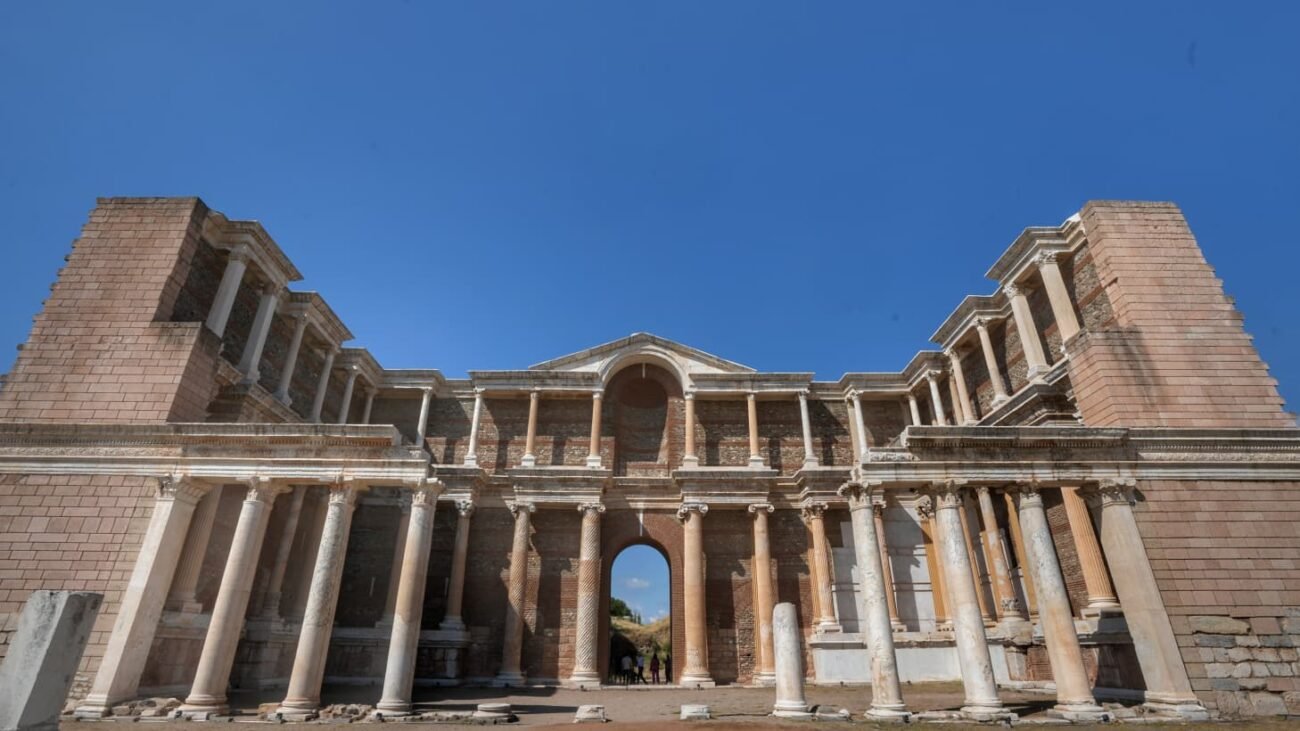
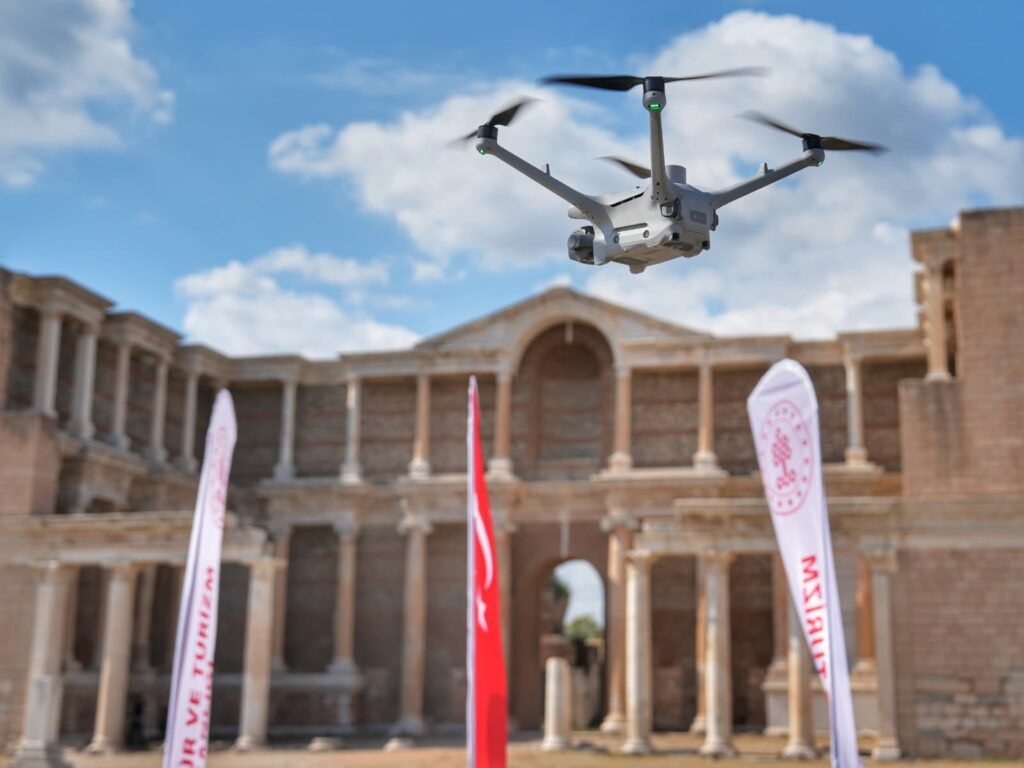
As technology shapes progress across every field, it is also becoming an increasingly powerful tool for preserving the treasures of the past. Türkiye, one of the world’s most compelling cultural destinations, is embracing this potential to safeguard its rich cultural heritage for future generations. Alongside ongoing archaeological excavations, restoration projects, and international efforts to repatriate looted artefacts, the country has taken a new step by inaugurating an aerial surveillance and security centre at the Ancient City of Sardis and the Bin Tepe Lydian Tumuli in Manisa. The UNESCO-listed site will now be monitored from the air using drones equipped with long-range and night-vision capabilities, helping protect this invaluable heritage against illegal excavations and physical damage.
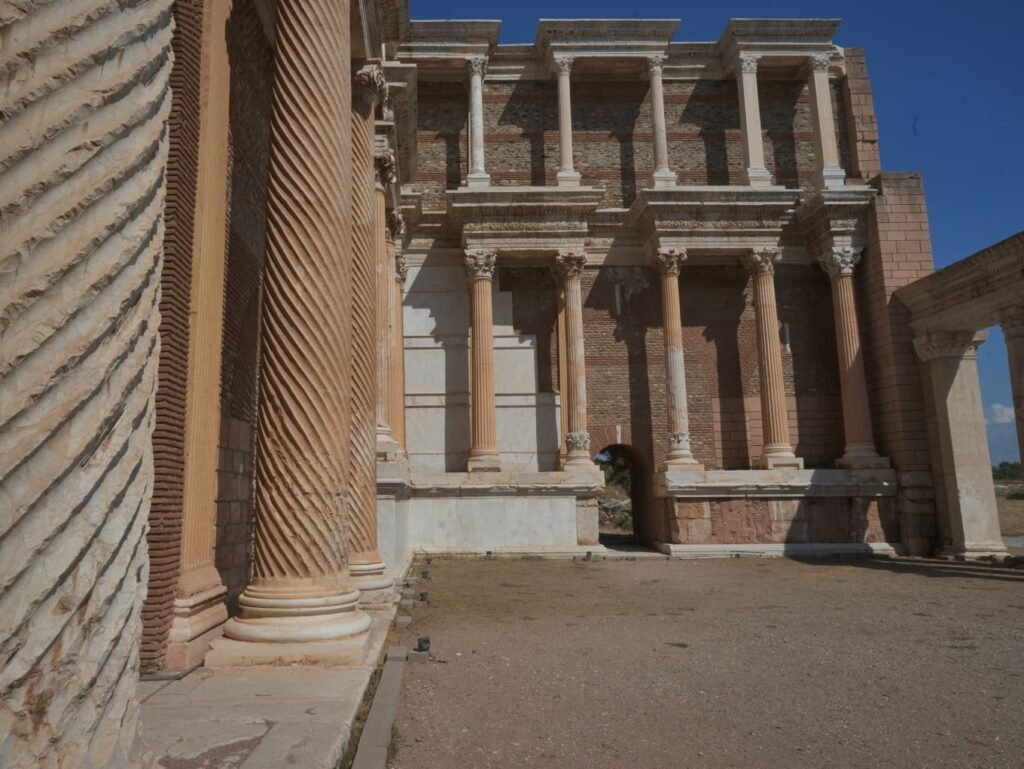
Sardis, once the capital of the Lydians—a powerful Iron Age civilisation renowned for its wealth and early coinage production—stands as a testament to Türkiye’s rich past. Nearby Bin Tepe, its royal necropolis, is considered one of the world’s largest ancient necropolises, spreading across nearly 75 square kilometres and containing over 120 tumulus tombs. Sardis and Bin Tepe were inscribed on the UNESCO World Heritage List in 2025 for their outstanding archaeological and architectural evidence reflecting the unique native culture of the Lydian civilisation in Anatolia.
State-of-the-Art Technologies for Heritage Protection
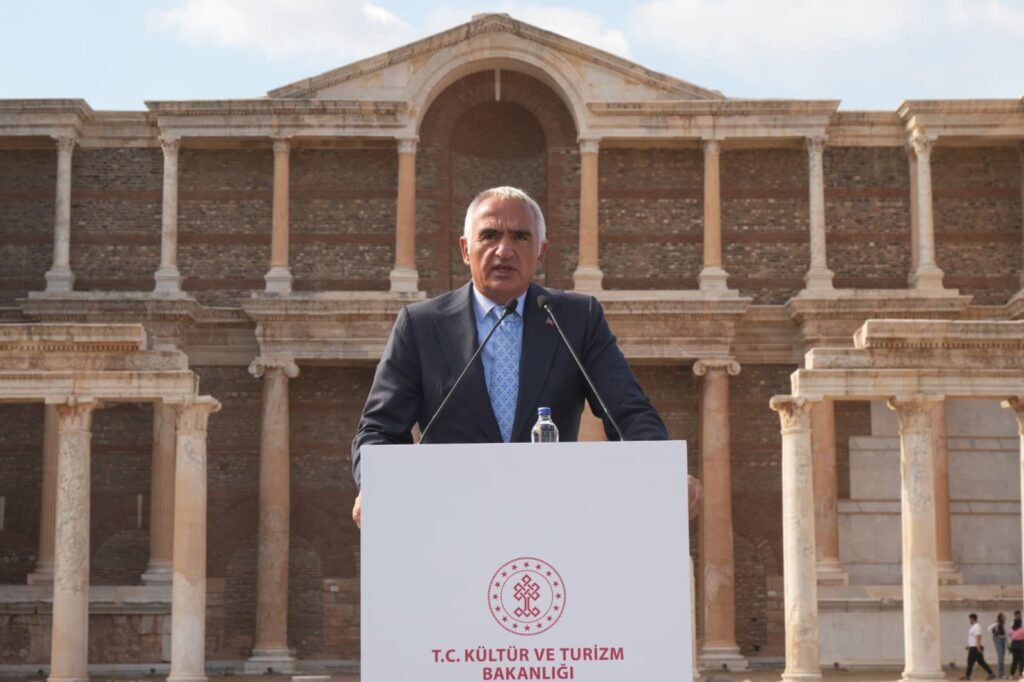
Officially opened by Minister of Culture and Tourism Mehmet Nuri Ersoy, the Sardis Ancient City Aerial Surveillance and Security Centre will place the site’s vast area under continuous monitoring to counter the risks of illegal excavations and physical damage. This technological advancement will protect invaluable historical heritage against illegal digging and treasure-hunting activities, providing a vital shield to preserve and pass it on intact to future generations. In his speech at the opening of the centre, Minister Ersoy emphasised that threats to historical sites across a vast geography must be identified, deterred, and prevented as early as possible, stating that their ultimate goal at the Sardis centre is to use technology to stop illegal excavations before they happen and ensure Türkiye’s artefacts remain in the land to which they belong.
Türkiye bases its approach to combating the illicit trafficking of cultural property on three fundamental pillars: prevention, international cooperation, and repatriation. The new centre in the Ancient City of Sardis, established through the renovation of the former excavation house near Karnıyarık Tepe and overlooking the Bin Tepe Tumuli, serves as a tangible example of the country’s prevention work and forms the first leg of this three-pronged strategy.
Equipped with two long-range unmanned aerial vehicle (UAV) systems featuring night-vision capability, the centre’s coverage area is further reinforced by three antenna systems. Monitoring stations, large screens, and security cameras have also been activated. Security staff assigned to the facility have completed drone pilot training and obtained the required certifications. Thanks to the centre, any suspicious activity or attempted illicit excavation spotted during aerial surveillance can be swiftly passed on to Gendarmerie units for immediate action.
This pilot Aerial Surveillance and Security Centre at the Ancient City of Sardis will also help shape future conservation policies and additional protective measures in Türkiye.
Joining Forces to Safeguard Cultural Heritage
Under the second pillar in its fight against historical artefact smuggling—international cooperation—Türkiye also works hand in hand with global bodies, notably UNESCO, INTERPOL, the World Customs Organisation, and the United Nations Office on Drugs and Crime. As part of these efforts, the Memorandum of Understanding signed with the US in 2021, which governs import restrictions on cultural artefacts, was renewed in 2026 for a further five-year term. Moreover, joint investigations and legal proceedings conducted with the Manhattan District Attorney’s Office and US Homeland Security Investigations (HSI) have yielded significant results in securing the return of cultural treasures to Türkiye.
13,474 Cultural Treasures Brought Home to Türkiye
Under the third pillar, repatriation, Turkish authorities relentlessly track down artefacts smuggled abroad, no matter where in the world they end up. Since 2002, Türkiye has secured the return of 13,474 cultural artefacts, including 9,159 in the last eight years alone, according to figures announced by the Minister Ersoy at the opening of the centre.
Among the most notable repatriations are the bronze statue of Marcus Aurelius from the ancient city of Boubon in Burdur, returned from the US; terracotta architectural plaques from Düver, brought back from the US and Denmark; İznik tiles retrieved from the UK and Spain; Urartian bronzes returned from Switzerland; the head of Eros, repatriated from the UK and reunited with the Sidamara Sarcophagus; a mosaic panel from Zeugma, recovered from the US; and the inscription from Bozgoca Mosque in Şile, returned from the Netherlands.