India Leads Asia-Pacific in Branded Residences at ₹92,000 Crore; TBRS 2.0 Maps the Road to 85 Projects by 2028
Two days, more than 50 speakers, 19 sessions. Developers, global brands, lenders and funds moved the branded residences conversation from the logo to the economics underneath it: feasibility, capital, sales velocity and how an asset
- Two days, more than 50 speakers, 19 sessions. Developers, global brands, lenders and funds moved the branded residences conversation from the logo to the economics underneath it: feasibility, capital, sales velocity and how an asset is run long after handover.
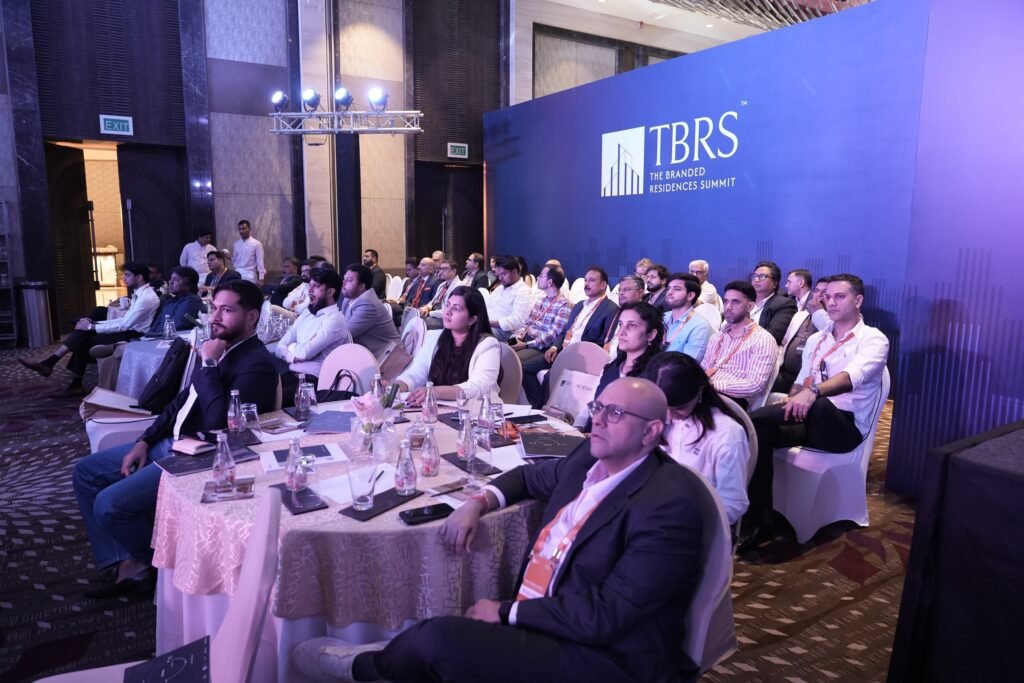
MUMBAI, 9 OCTOBER 2026 The Branded Residences Summit 2026 (TBRS 2.0), presented by Amavi by Clarks and curated by NOESIS Hotel Advisors, concluded at JW Marriott Mumbai Sahar on 8 October. Over two days it brought together 350 delegates, including 250 developers, 28 international and Indian brands, more than 50 speakers and six of the funds and banks that finance Indian real estate.
The summit opened with an address by NOESIS Founder and CEO Nandivardhan Jain and the launch of The Landscape of Branded Residences in India, Edition 3, the new NOESIS report. It values India’s branded residences market at about ₹92,000 crore (USD 9.7 billion), the highest in Asia-Pacific. India holds 21 percent of the region’s USD 45.3 billion branded value from just 15 percent of its units, ahead of Vietnam at USD 8.0 billion.
| ₹92,000Crore combined market value, the highest in Asia-Pacific | 32%Average branded premium over comparable projects | 3.1xJump in branded supply in 2025 | 85Projects expected by 2028, up from 47 today |
Source: The Landscape of Branded Residences in India, Edition 3, NOESIS Hotel Advisors, October 2026.
The opening address: from niche to asset class
Nandivardhan Jain, Founder and CEO of NOESIS Hotel Advisors and Curator of TBRS, opened the summit with a data-led account of how India’s branded residences market was built and where it goes next, drawing on NOESIS project tracking and Edition 3.
Until 2023: a niche. For most of the last decade, branded residences in India were a niche category, led by a few pioneering developers in a handful of metros. Buyers and lenders were still testing whether a brand could hold a premium in Indian real estate.
2023 to 2026: the foundation. The last three years settled that question. The report now tracks 38 projects operational or launched, totalling 10,452 homes. Supply rose 3.1 times in 2025 alone, from 1,015 to 3,181 units. The 5,156 homes launched since January 2025 are double the previous seven years combined. Annual transaction value has grown 49 percent a year since 2019, with ₹47,278 crore transacted since 2018. Buyers have absorbed 68 percent of all branded supply launched to date.
The next 24 months: scale and spread. NOESIS tracking counts 47 confirmed projects today and expects 85 by 2028, spread across 28 markets. The non-metro share rises from 8 percent of projects to 45 percent of the next wave, across markets such as Goa, Alibaug, Rishikesh, Bhubaneswar and Mohali. Demand is in place to absorb it: India now has 19,877 ultra-high-net-worth individuals, up 63 percent since 2021.
Jain then took delegates through how a branded residence behaves as an asset at each stage of its life. At design, the brand shapes the product itself: planning, amenity programme and the arrival and shared spaces that carry the brand promise. At development, brand standards set the specification, the construction cost and the delivery timeline, so the brand decision has to be made before the drawings are frozen. In operation, service delivery, maintenance charges and owners’ association economics decide whether the promise made at sale still holds.
Where the value is created. Branded homes sell at an average 32 percent premium over comparable catchment projects, led by Pune at 44 percent and Kolkata at 42 percent. They also sell faster. Faster absorption brings collections forward, reduces the debt a project carries through construction and lifts returns on the same land. Jain’s point to developers was direct: the premium comes from feasibility, positioning and operator fit, not from the logo.
Day One: The Foundations
Day One followed a project in the order it is actually built, from land to underwriting. It began with BRIM, the invitation-only Branded Residence Intensive Masterclass led by NOESIS, followed by a closed-door series in which YOO, Amavi by Clarks and Moricon Consultants set out what makes a brand say yes, or walk away.
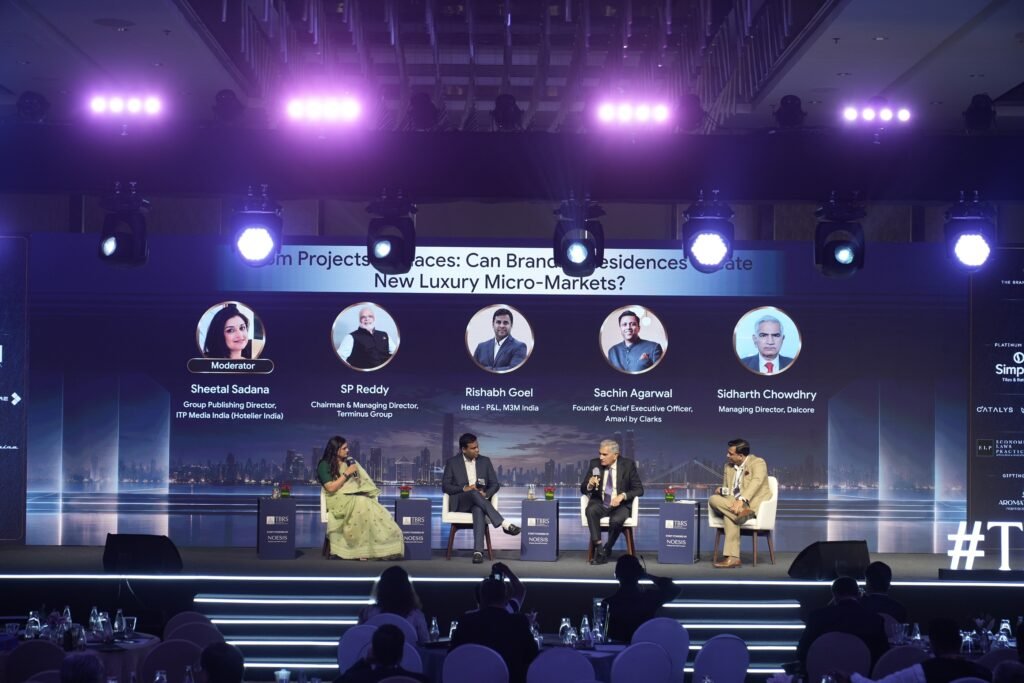
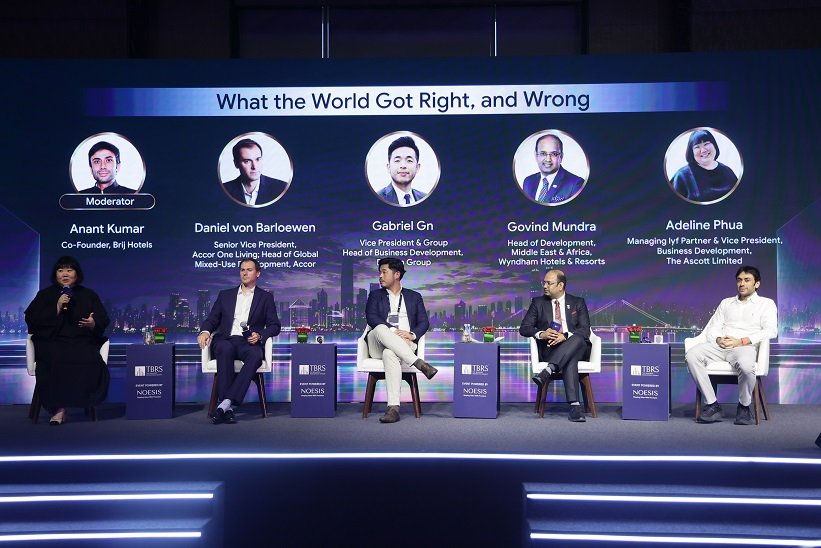
On the main stage, Atul Chordia, Founder and Chairman of Panchshil Realty, traced the origins of branded living in India in a fireside conversation with Nandivardhan Jain. Senior leaders from Accor, Banyan Group, Wyndham Hotels & Resorts and The Ascott Limited compared what the world got right and wrong. M3M India, Amavi by Clarks and Dalcore debated whether branded residences can create new luxury micro-markets.
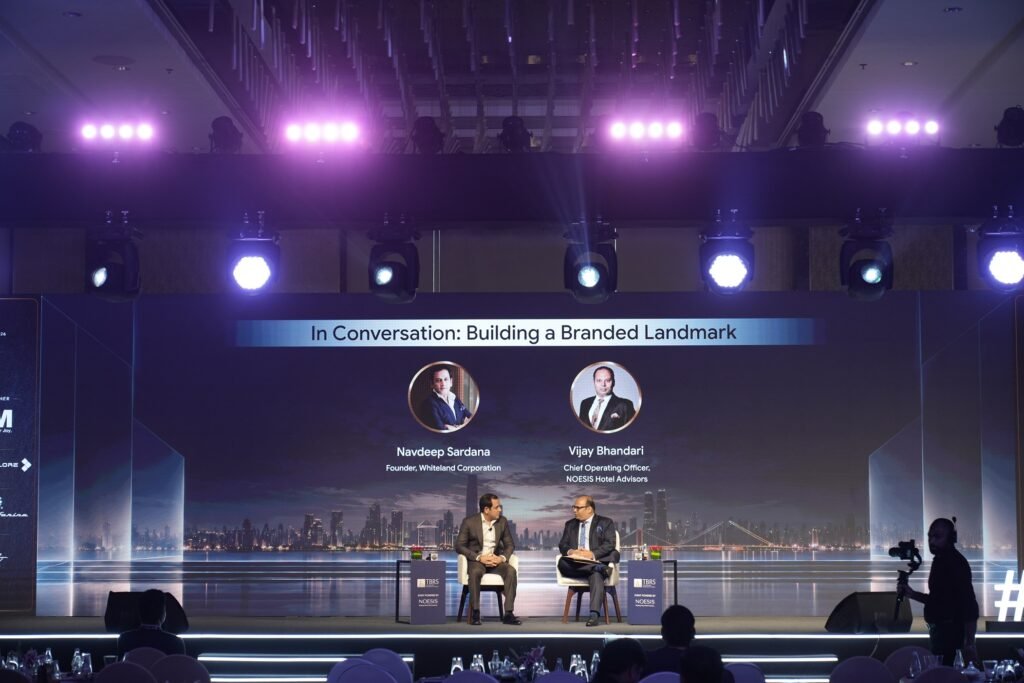
Navdeep Sardana of Whiteland Corporation took delegates through the making of a branded landmark. Economic Laws Practice set out the legal architecture of a branded deal. Kalpesh Mehta of Tribeca Developers took on the question every developer has to answer first: do the numbers work.
The day closed with The Branded Residences Awards, presented for the first time: eight honours across six competitive categories and two jury honours, scored by an independent jury on brand fit, feasibility, design, deal structure and execution. NOESIS ran the secretariat and did not vote.
Day Two: The Execution
Day Two moved from planning to delivery. Daniel von Barloewen, Senior Vice President, Accor One Living, opened with a keynote on the design, sales and operating principles that keep a branded residence valuable. At the Capital Roundtable, Motilal Oswal Alternates, Certus Capital, TCG Real Estate, HDFC Bank, ICICI Prudential and ASK Property Fund laid out what money will and will not underwrite in the category.
Development heads from Marriott International, Radisson Hotel Group, Accor, Hyatt and Oberoi Hotels & Resorts debated hotel-led against standalone models, in a panel moderated by NOESIS COO Vijay Bhandari. Amavi by Clarks, Mahindra Holidays & Resorts, Olive by Embassy and Atmosphere Hotels & Resorts examined how sale-and-leaseback structures work in practice, including where owners have been burned before. AMPA Group, Whiteland Corporation, Panchshil Realty and M3M India explained how branded projects sell out before they are built.
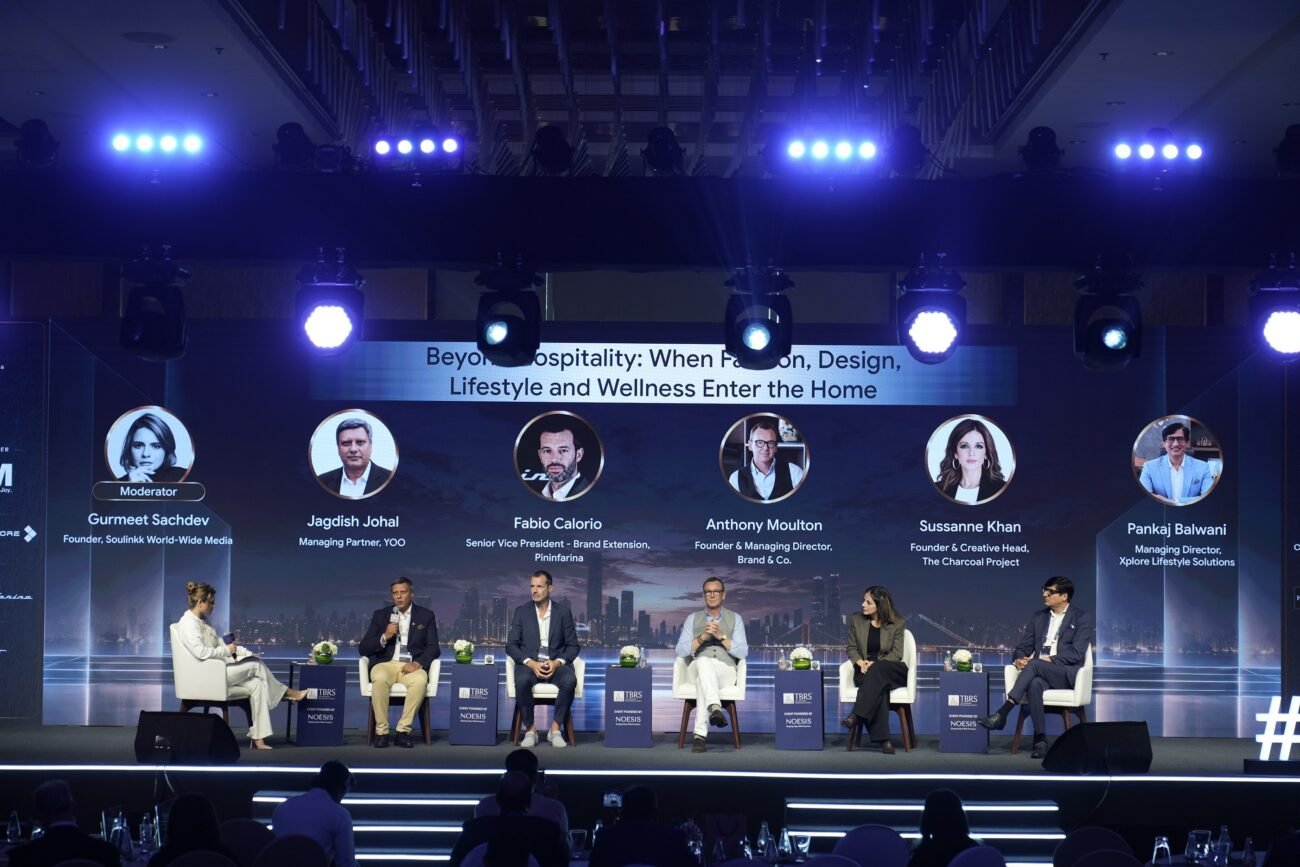
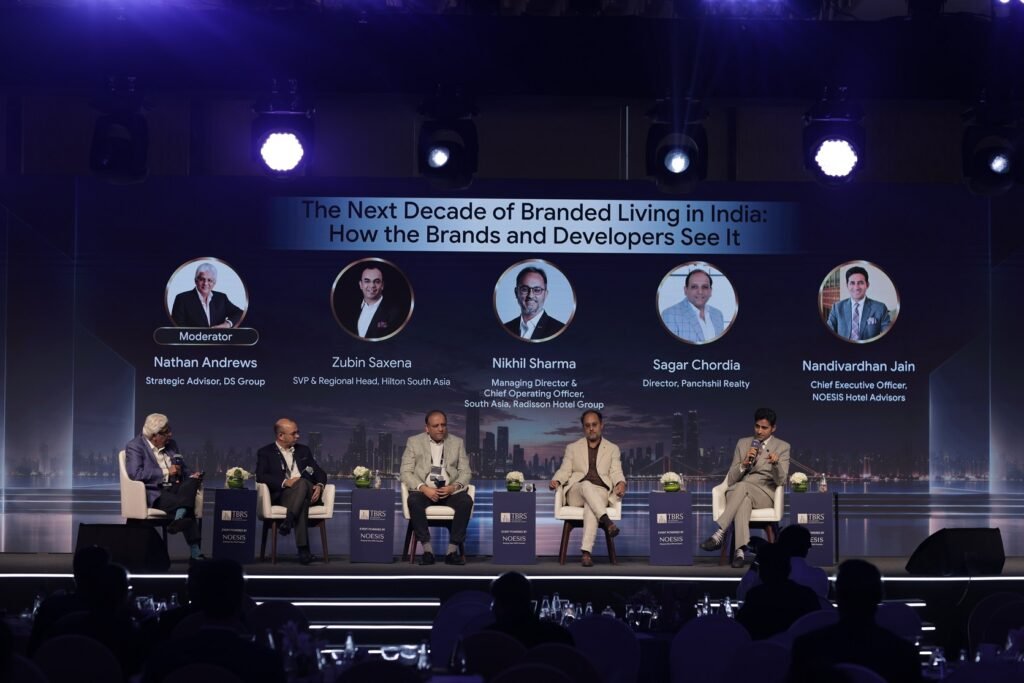
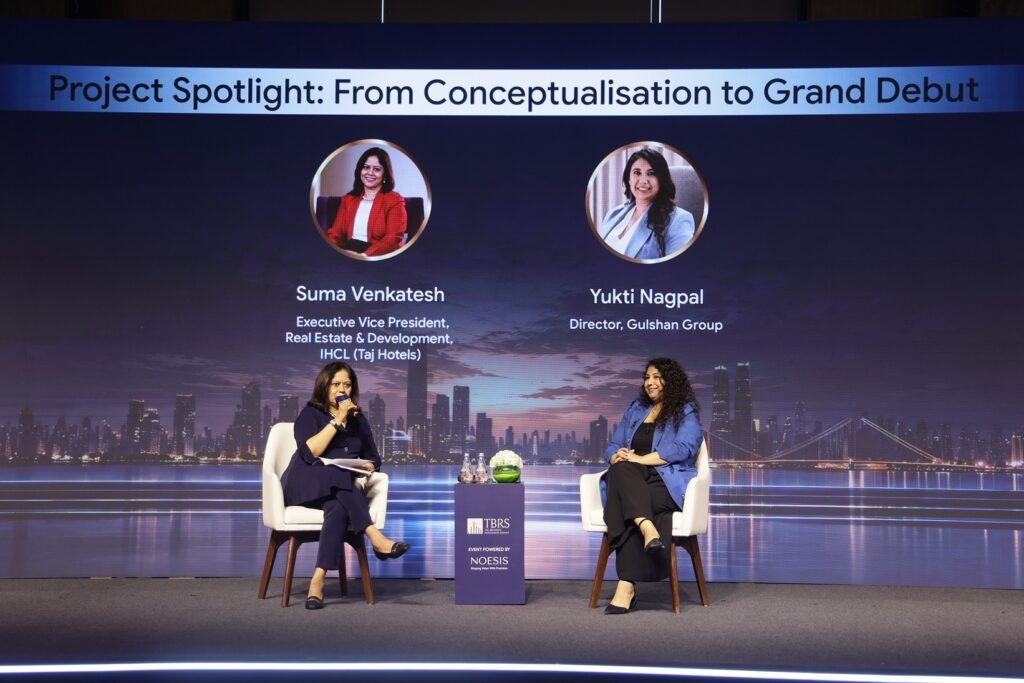
IHCL and Gulshan Group traced a single project from feasibility and brand selection to its launch. YOO, Pininfarina, Brand & Co., The Charcoal Project and Xplore Lifestyle Solutions examined what fashion, design and wellness brands bring into the home. Sarovar Hotels & Resorts, Moricon Consultants and Royal Orchid Hotels addressed operating and protecting the asset after handover, the stage that decides long-term value. The summit closed with leaders from Hilton, Radisson Hotel Group, Panchshil Realty, Sattva Group and NOESIS setting out how they see branded living in India over the next decade.
Three lessons NOESIS takes from TBRS 2.0
Feasibility comes before the brand. The report finds the strongest sell-through where the brand tier, the operator and the measured premium are matched to the site. That match has to be made before a logo is chosen.
Capital reads the whole structure. The brand agreement, the sales plan and the debt structure are one decision for a lender. Debt belongs in the first conversation, not the last.
Hotel brands are moving in. Non-hospitality brands hold 73 percent of Indian branded units against about 20 percent globally. NOESIS expects hotel groups to narrow that gap sharply over the next 24 months.
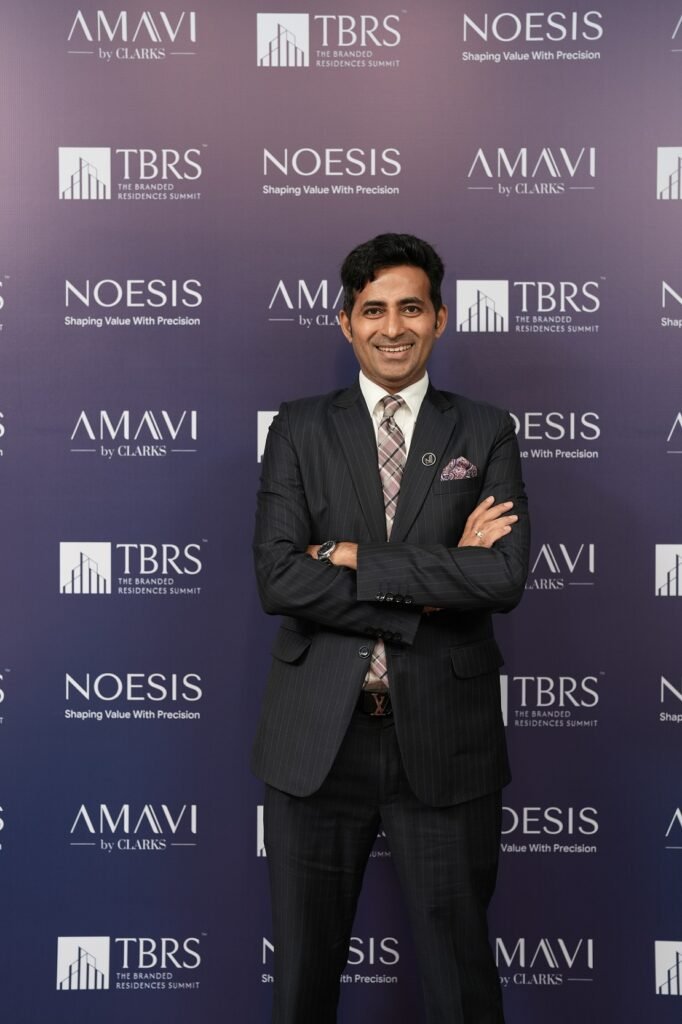
Nandivardhan Jain, Founder and CEO, NOESIS Hotel Advisors; Curator, TBRS, says, “For two days, India’s developers, brands and capital tested this category against hard numbers. Indian buyers have settled one question: they will pay for a brand and they buy faster. The projects that take India to 85 by 2028 will be judged on what comes after the logo. Feasibility done before the brand is chosen. A partner picked for fit, not fame. Service run well for thirty years. That is the move from logo to lifetime value.”