ICAR-CMFRI Advises Consumers Not to Avoid Tuna Over Parasite Reports from Other Regions
Institute says parasite findings in skipjack tuna from Brazil should not be generalised to Indian waters; proper handling and cooking remain key food-safety measures Key Highlights: ICAR-CMFRI has advised consumers not to avoid tuna or other commercially
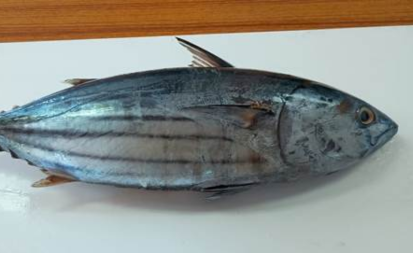
Institute says parasite findings in skipjack tuna from Brazil should not be generalised to Indian waters; proper handling and cooking remain key food-safety measures
Key Highlights:
- ICAR-CMFRI has advised consumers not to avoid tuna or other commercially available fish solely due to parasite reports from a specific region.
- The advisory follows reports concerning skipjack tuna from the Atlantic Ocean off Brazil.
- Fish examined by ICAR-CMFRI along the Indian coast, including tuna, have not shown external manifestations of harmful parasitic infestation, according to the institute.
- Parasite occurrence can vary by fish population, geography and ecological conditions.
- Proper evisceration, cleaning, handling and cooking are recommended as food-safety precautions.
- High-temperature cooking can kill parasites and reduce associated food-safety risks.
ICAR-CMFRI Clarifies Tuna Parasite Concerns
The ICAR-Central Marine Fisheries Research Institute (ICAR-CMFRI), Kochi, has advised consumers not to stop consuming tuna or other commercially available fish based solely on reports of parasitic infections detected in fish from a particular geographical region.
The clarification follows reports concerning the presence of parasites in skipjack tuna studied in the Atlantic Ocean off Brazil. ICAR-CMFRI said such findings should not automatically be applied to fish of the same species caught in Indian waters.
According to the institute, fish examined along the Indian coast, including tuna, have not shown external manifestations of harmful parasitic infestation.
Parasite Occurrence Can Differ Across Regions
ICAR-CMFRI explained that the presence and abundance of parasites can vary among individual fish and geographical regions. Ecological conditions and the availability of intermediate or secondary hosts, including copepods, can influence parasite occurrence.
Dr Grinson George, Director, ICAR-CMFRI, said scientists at the institute regularly examine fish species, including skipjack tuna, as part of fish biology studies and check for abnormalities and parasites where necessary.
The institute also noted that differences in parasite occurrence are used internationally as one of the indicators for distinguishing fish stocks or populations. Therefore, findings from one geographical location cannot automatically be extended to the same fish species from another region.
Proper Fish Handling and Cooking Recommended
While addressing consumer concerns, ICAR-CMFRI highlighted the importance of proper and prompt evisceration during fish handling and processing. The intestines and other viscera are generally removed during cleaning and processing.
The institute also advised consumers to ensure proper cooking. High-temperature cooking can kill parasites and significantly reduce potential food-safety risks.
The advisory noted that the risk associated with raw or lightly cooked seafood can vary depending on parasite prevalence in a particular locality. In India, where seafood is generally cooked at high temperatures, cooking provides an additional food-safety measure.
Seafood Consumers Can Continue Following Safe Practices
ICAR-CMFRI emphasised that consumers do not need to avoid tuna or other commercially available fish merely because parasites have been reported in fish from a specific geographical region.
Instead, consumers are advised to follow appropriate handling, cleaning, evisceration and cooking practices while continuing to consume fish and seafood as part of a nutritious diet.
Impact on Hospitality, Food and Seafood Tourism
The clarification is particularly relevant for the hotel, restaurant and food-service industry, where tuna and other seafood are widely used in menus.
For hotels, restaurants, caterers and seafood businesses, clear communication around responsible sourcing, proper storage, hygienic handling and adequate cooking can help maintain food-safety standards and consumer confidence.
The advisory is also relevant to coastal tourism and seafood destinations, where local fish and seafood are an important part of the visitor experience. Maintaining safe seafood-handling practices can support both culinary tourism and the wider seafood value chain without creating unnecessary consumer concerns based on geographically specific findings.