DARE-ICAR Drives Swachhata Awareness Among School Children Through Waste Management and Community Cleanliness Initiatives
Swachhata Hi Seva campaign promotes sanitation, vermicomposting and environmental responsibility across educational institutions and communities in the Northeast Key Highlights: DARE-ICAR and its institutes are conducting Swachhata Hi Seva activities across the country. School children are being engaged
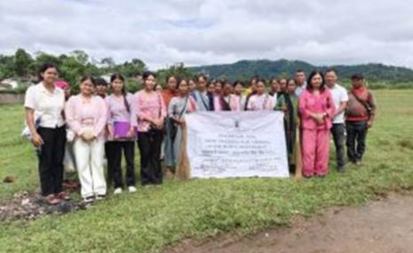
Swachhata Hi Seva campaign promotes sanitation, vermicomposting and environmental responsibility across educational institutions and communities in the Northeast
Key Highlights:
- DARE-ICAR and its institutes are conducting Swachhata Hi Seva activities across the country.
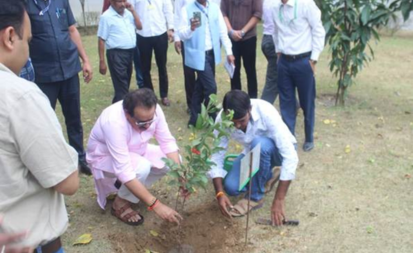
- School children are being engaged in cleanliness, sanitation and environmental conservation initiatives.
- Students in North Sikkim visited a Krishi Vigyan Kendra to learn about vermicomposting and organic waste management.
- KVK Ri Bhoi in Meghalaya conducted cleanliness drives with local residents in villages and roadside areas.
- Campaign activities aim to take the message of Swachhata beyond institutional premises and into local communities.
DARE-ICAR Expands Swachhata Outreach Through Schools and Communities
The Department of Agricultural Research and Education (DARE) and the Indian Council of Agricultural Research (ICAR), along with their institutes and field organisations, are undertaking cleanliness and environmental awareness activities as part of the Swachhata Hi Seva Campaign.
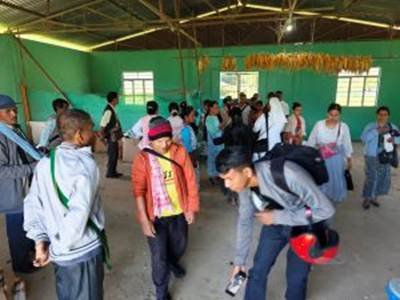
The initiatives are focused on increasing public participation in cleanliness drives while encouraging school children and local communities to adopt responsible sanitation and waste-management practices.
Students Learn Organic Waste Management in North Sikkim
As part of the campaign, experts from ICAR-Agricultural Technology Application Research Institute (ATARI), Guwahati, identified a Swachhata awareness initiative in North Sikkim.
An exposure visit to Krishi Vigyan Kendra (KVK), North Sikkim, was organised for students to familiarise them with practical cleanliness and sustainable waste-management practices.
A key component of the visit was vermicomposting, through which students were introduced to the conversion of organic waste into useful compost. The activity linked everyday waste management with environmental conservation and sustainable agricultural practices.
Meghalaya KVK Organises Community Cleanliness Drive
In Meghalaya, KVK Ri Bhoi, under the ICAR Research Complex for North Eastern Hill Region, organised cleanliness activities in nearby villages and along roadside areas around the KVK.
Employees and local residents participated jointly in the drive, reinforcing the role of community participation in maintaining clean surroundings.
The initiative also highlighted the importance of shared responsibility between institutions and local communities in improving sanitation and environmental conditions.
Swachhata Linked With Sustainable Practices
Through its activities, DARE-ICAR is taking the Swachhata Hi Seva message beyond government and institutional premises by involving students, farmers, local residents and communities.
The campaign also connects cleanliness with broader environmental objectives, including sustainable waste management, organic composting and responsible use of local resources.
Impact on Hospitality, Food and Tourism
The campaign has relevance for the hospitality, food and tourism sectors, where cleanliness and effective waste management are central to maintaining hygienic and visitor-friendly environments.
The promotion of organic waste segregation and composting can be particularly relevant for hotels, restaurants, institutional kitchens and tourism establishments that generate significant quantities of food and biodegradable waste. Greater awareness of such practices can support adoption of circular waste-management approaches across the food and hospitality ecosystem.
At tourist destinations, stronger community participation in cleanliness and environmental conservation can also contribute to cleaner public spaces and improved destination experiences, supporting the long-term sustainability of tourism in rural and ecologically sensitive areas.