How Delhi’s Iconic Hotels Turned BRICS 2026 into a Showcase of Indian Hospitality, Culinary Diplomacy and Precision Service
Discover how Delhi's iconic hotels showcased Indian hospitality and culinary diplomacy during BRICS 2026, highlighting precision service and cultural richness.

BRICS 2026 put Delhi’s iconic hotels in the spotlight, showcasing India’s hospitality strength on a global diplomatic stage. From curated Indian cuisine and culinary diplomacy to seamless service and meticulous event management, the capital’s luxury hotels demonstrated how hospitality can become an integral part of international engagement.
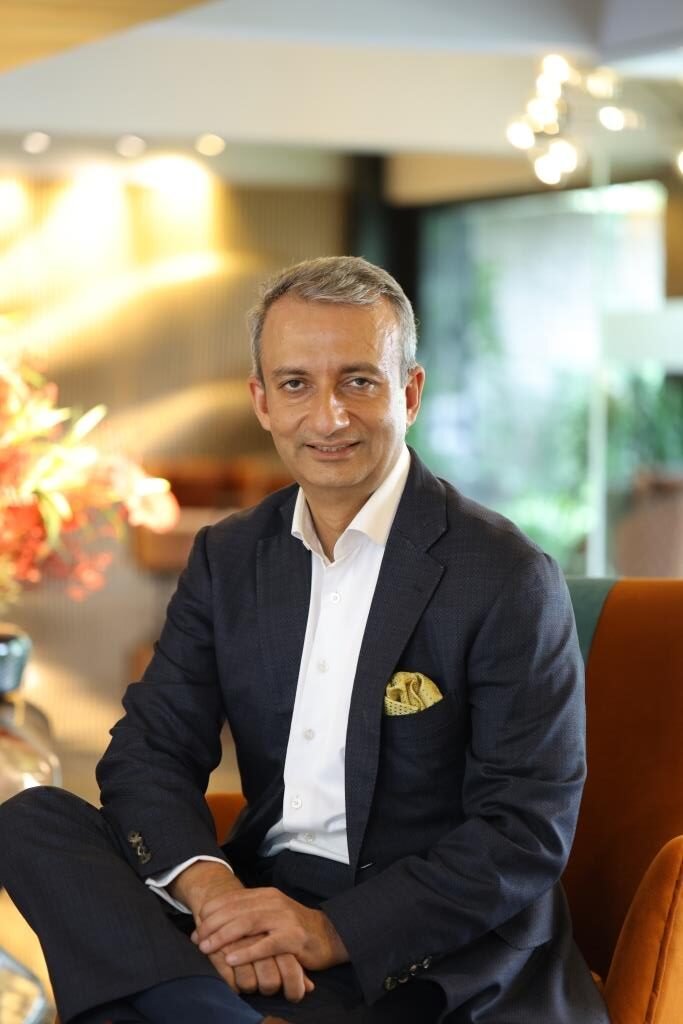
Jaideep Ahuja
MD & CEO, Ahuja Residences
Hosting a BRICS delegation places a hotel at the intersection of luxury hospitality, diplomacy, security and protocol. How did hotels adapt operations to deliver a seamless guest experience while meeting the heightened expectations and complexities of hosting an international delegation?
Hosting a summit of this scale is really an exercise in invisible complexity. The properties handling BRICS delegations would have spent weeks, if not months, coordinating with security agencies, protocol officers and embassy teams, building movement plans down to the minute, running background checks, briefing every department from housekeeping to F&B on what heightened-protocol hosting demands actually.
What separates this from routine luxury hospitality is that none of that machinery is allowed to show. A delegation guest shouldn’t feel like they’re inside a security operation. They should feel like they’re simply being looked after. That means security checkpoints designed to feel unobtrusive, staff trained to anticipate needs before being asked, and contingency plans for everything from last-minute schedule changes to sudden dietary requirements built quietly into the background of an otherwise smooth stay.
The hotels that do this well tend to share one trait: they don’t treat protocol and warmth as competing priorities. Precision creates the safety net; genuine hospitality is what the guest actually experiences. I’d expect the properties involved leaned heavily on close coordination between their security teams and guest-experience teams, rather than letting the two operate in silos, which is usually where things go wrong at this scale.
For Indian hospitality more broadly, successfully managing an event like this is a strong signal it shows the country’s top properties can operate at the same standard as anywhere else hosting global leaders.
Food often becomes one of the most powerful expressions of a country’s culture. How would culinary teams have approached the BRICS experience, and what Indian flavours or bespoke creations would likely have been used to introduce guests to India while respecting cultural preferences?
It is hard to imagine any event where the food itself would not be the diplomatic tool to achieve something that words could never achieve. I think that the cooking teams should prepare such a menu that will provide the guests with an experience of traveling across various parts of India
with the help of food: one day a dish from Kashmir, on another day something from Hyderabad, a filter coffee and dosa for breakfast – all of these things should show how different Indian cuisine is from one state to another.
It would be extremely important to consider everything regarding dietary restrictions, cultural differences, religious restrictions, personal preferences and allergies in order to ensure that no guest feels neglected or ignored. This type of preparation usually starts far ahead of time, based on the profiles of the guests which have been sent beforehand.
The properties which know how to do it avoid showing off and making guests feel uncomfortable with long menus. The approach of restraint usually works much better than the approach of spectacle. One small regional dessert accompanied by a story may tell more than the entire twelve-course tasting menu.
This is a reflection of the fact that hospitality in India started changing its views on food in relation to the guests from abroad. There are some changes in the attitude to food as representation of the entire country and the need to choose specific moments and make them meaningful.
Beyond rooms and dining, what role would personalisation and cultural storytelling have played in the guest experience, and what does this event suggest about the future of diplomatic and ultra-luxury hospitality in India?
In this regard, it is the small details rather than big ones which will matter. They are the details which make someone feel that he has been considered as a person and not merely a delegate on a list. It could be a welcoming message which would remind him about his own country. It could also be an amenity which would have been picked for him with intention and not just randomly placed in the basket. Such are the details which people remember when they come from places where they have already got used to luxurious hospitality.
What an event like this suggests about the future of Indian hospitality is a shift away from scale and spectacle, and toward specificity. Guests at this level aren’t looking to be impressed by size or opulence they’re looking to feel genuinely understood, even briefly. That requires far more preparation and cultural research than most guests would ever realise.
I think successfully hosting a summit of this profile sets a benchmark for Indian hospitality more broadly, not just for the handful of properties directly involved, but as a signal to the wider industry. The next phase of ultra-luxury and diplomatic hospitality in India will likely be defined less by who has the most impressive lobby, and more by who can consistently deliver this kind of thoughtful, individual attention at scale, under real pressure, without it ever showing.
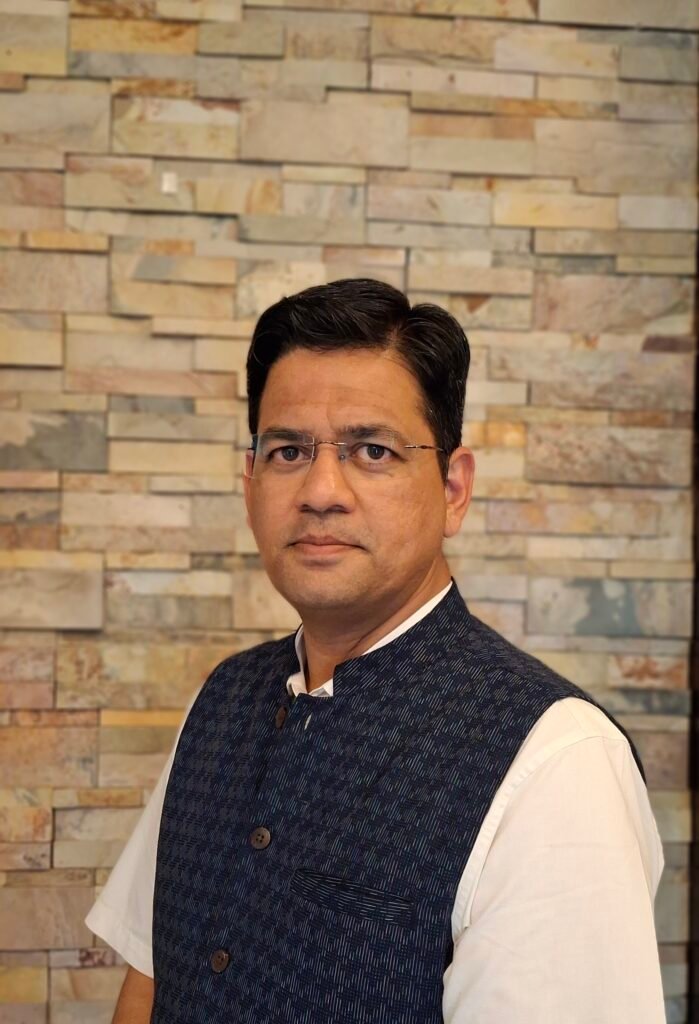
Mehardeep Singh
Director of Acquisition and Development at Rubystone Hospitality
Hosting a BRICS delegation places a hotel at the intersection of luxury hospitality, diplomacy, security, and protocol. How did your team adapt its operations to deliver a seamless guest experience while meeting the heightened expectations and complexities of hosting an international delegation?
An international delegation demands hospitality services of a certain precision that surpasses the ordinary standards of luxury and excellence. The BRICS 2026 event in Delhi is an example of how hospitality staff has to ensure that there is a balance between security, protocol, privacy, and personalised service in such a way that these aspects should not become apparent to the guest.
Preparation by the hotel starts early before the delegates arrive. Coordination of staff, access management, housekeeping, transportation, dining, and guest preferences have to be in order across all departments. In addition, communication has to be efficient, especially when there is security protocol in play.
The major thing learned by the hospitality industry through this event is that efficient services are based on preparation and not on improvisation. All the contact points from arrival through to departure have to run in coordination.
For the Indian hospitality industry, it becomes clear that international events also bring about the need for training in terms of understanding the expectations of global hospitality services and Indian hospitality. Being able to offer hospitality with the required privacy and efficiency will be increasingly important for India to host international meetings and conferences.
Food often becomes one of the most powerful expressions of a country’s culture. How did your culinary team approach the BRICS experience, and what Indian flavours, regional specialties or bespoke creations did you use to introduce guests to India while respecting their cultural preferences?
Food could be an important element in helping foreign tourists experience Indian culture through immediate communication. The BRICS experience showed that Indian hospitality can promote the diversity of Indian cuisine while being considerate about the preferences of the guests coming from overseas.
Instead of focusing on Indian cuisine as something homogeneous, hotels can acquaint their visitors with different aspects of it using certain regional dishes, seasonal products, and modern reinterpretation of traditional tastes. Regional cuisine of India, sweets, millets, indigenous ingredients, and even vegetarian food could be incorporated into the experience.
However, it is necessary to personalise the meals of international visitors by considering the following factors: dietary preferences, religions of the guests, their allergies, their preference towards spicy food, and some knowledge of the ingredients used in meals.
Here lies the challenge for Indian hospitality – to combine authenticity and accessibility of Indian cuisine. There is no need to make the menu simple – just diverse enough.
It is through instances like BRICS that the dining table can turn out to be an informal forum where cultural interaction takes place, and the guests are able to learn about India’s regional identities amid the international hospitality.
Beyond rooms and dining, what role did personalisation and cultural storytelling play in the guest experience—from the welcome and in-room touches to amenities, gifting and service—and what did this experience teach you about the future of diplomatic andultra-luxury hospitality in India?
Personalisation is going to be more prominent in the coming days than standard luxury in providing premium hospitality services. Even the smallest things may help shape the guests’ experience during events like BRICS, which include their welcome process, accommodation facilities and room gifts, as well as the food, drinks and cultural aspects related to the destination.
This is a great opportunity for India to make its hospitality service culture-oriented. Rather than relying on the conventional luxury criteria, they can introduce guests to crafts, cuisine, wellness, arts, and stories of the region. The purpose here is not to inundate them with culture, but to subtly include it in the hospitality services.
It is also evident from the BRICS experience that the discretion factor holds great importance. Personalisation is desired by both the international and diplomatic visitors, while at the same time, they require privacy, efficiency, and consistency.
The potential of the Indian hospitality industry is in crafting the experience of its guests outside their rooms. Owing to the growth of foreign businesses, foreign diplomacy, and tourism, hotels will need the capability of mixing the best in world hospitality services and the Indian touch.
It can be a key factor in making the Indian hospitality brand known around the world.

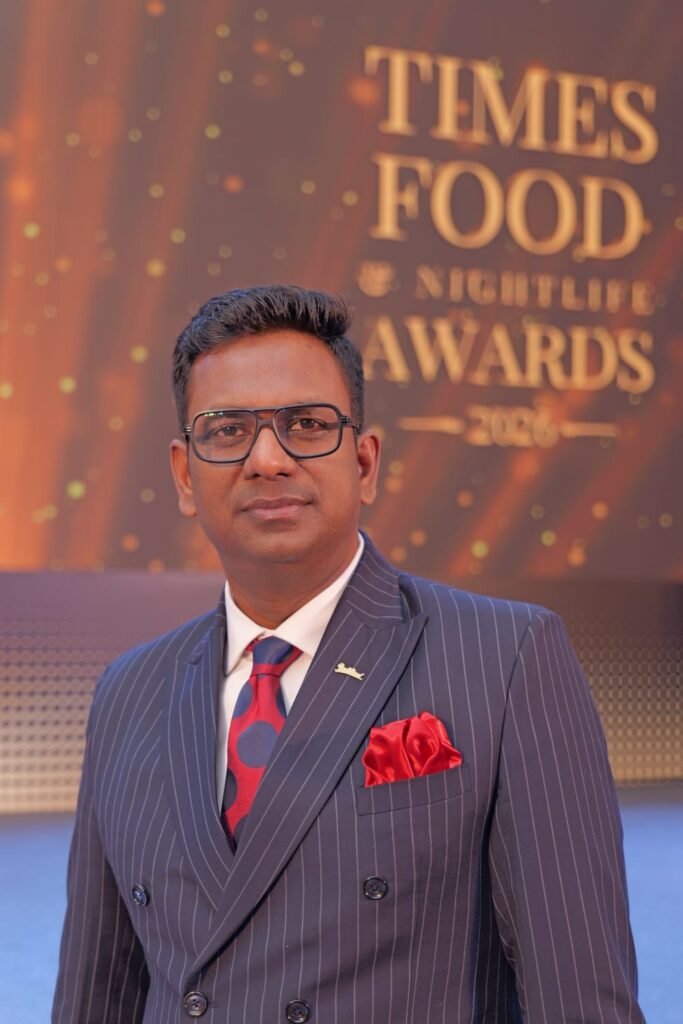
Ashish Saxena
General Manager, Radisson Hotel Delhi MG Road
1. Operations & Service
The BRICS 2026 Summit brought a strong international focus to New Delhi. At Radisson Hotel Delhi MG Road, we provided accommodation to guests connected with the summit, making preparedness, discretion and service consistency especially important. Our Front Office, Housekeeping, Food & Beverage, Engineering and Security teams worked closely to ensure room readiness, responsive service, dining requirements and guest preferences were managed seamlessly. The aim was simple: ensure that operational complexity remained invisible to the guest while warmth and efficiency remained evident.
2. Culinary Diplomacy
Food is one of India’s most powerful forms of cultural storytelling. At LORE, our philosophy, “Recipes Retold for Today,” allows us to present India’s diverse regional flavours through a contemporary lens. Executive Chef Kush Koli’s creations, including Dakhni Saag Paneer and Lamb Chole Bhatura, reflect this approach. At the same time, understanding dietary preferences, spice levels and cultural practices is essential when welcoming international guests. A thoughtfully presented regional dish can become a memorable introduction to India’s culinary heritage.
3. Personalisation & Cultural Storytelling
Personalisation goes beyond remembering a guest’s name. It is about anticipating needs while remaining discreet and respectful. Through cuisine, design, local references and thoughtful service, we create opportunities for guests to experience Delhi and India naturally. The experience reinforces my belief that the future of luxury hospitality lies in combining international standards with distinctly Indian warmth, authenticity and personalisation. True luxury is making every guest feel understood while ensuring every detail feels effortless.
Ameya Mandke
General Manager, Niraamaya Retreats Backwaters & Beyond, Kumarakom
India’s Hospitality on the Global Stage
“The BRICS Summit demonstrated how Indian hospitality can successfully balance operational precision with genuine warmth. Hosting international delegations requires seamless coordination across security, protocol, culinary, housekeeping and guest-relations teams. Yet, even within such a highly structured environment, the experience must remain personal, intuitive and welcoming.
Cuisine plays a particularly important role in diplomatic hospitality. India’s regional diversity provides hotels with an extraordinary opportunity to introduce international guests to the country through thoughtfully curated menus. Authentic flavours can be presented in refined and contemporary ways while respecting dietary requirements, cultural preferences and individual comfort.
Cultural storytelling should extend beyond food to every aspect of the guest journey from locally inspired welcome rituals and handcrafted amenities to meaningful gifting and personalised in-room touches. These details allow visitors to experience the character of a destination without compromising privacy or protocol.
The future of diplomatic and ultra-luxury hospitality in India will be shaped by the ability to combine precision, discretion and personalisation with authentic cultural experiences. India’s greatest strength lies in making every guest feel genuinely welcomed while offering a meaningful connection to its heritage.”