India Accelerates Sustainable Aviation Fuel Roadmap Ahead of CORSIA Deadline
Civil Aviation Minister Ram Mohan Naidu Reviews SAF Production, Blending Strategy and Carbon Accounting Framework to Prepare India's Aviation Sector for 2027 With the global aviation industry moving towards lower-carbon operations, the Ministry of Civil Aviation
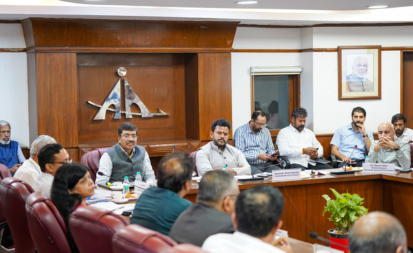
Civil Aviation Minister Ram Mohan Naidu Reviews SAF Production, Blending Strategy and Carbon Accounting Framework to Prepare India’s Aviation Sector for 2027
With the global aviation industry moving towards lower-carbon operations, the Ministry of Civil Aviation (MoCA) has intensified preparations for the adoption of Sustainable Aviation Fuel (SAF) and compliance with the Carbon Offsetting and Reduction Scheme for International Aviation (CORSIA). Union Civil Aviation Minister Shri Ram Mohan Naidu chaired a high-level stakeholder meeting to review India’s readiness for SAF production, supply-chain development, blending targets and carbon accounting ahead of CORSIA’s mandatory implementation from 1 January 2027.
The meeting brought together senior officials from multiple ministries, aviation regulators, airports, airlines, oil marketing companies (OMCs) and industry stakeholders to chart a coordinated roadmap for sustainable aviation.
Key Highlights
- Ministry of Civil Aviation reviews India’s preparedness for Sustainable Aviation Fuel (SAF) and CORSIA implementation.
- Mandatory CORSIA compliance begins on 1 January 2027.
- Focus on accelerating SAF production, certification and supply-chain development.
- Draft National SAF Policy enters its final stage.
- Government targets 1% SAF blending under CORSIA in the most cost-effective manner.
- Plans for a National SAF Registry with end-to-end fuel traceability.
- Development of carbon accounting, monitoring and reporting systems aligned with ICAO standards.
- Stakeholders include MoCA, DGCA, AAI, OMCs, airlines, airport operators, BIS and BEE.
India Moves Towards Sustainable Aviation
The meeting reviewed progress on several critical areas, including:
- Domestic SAF production capacity.
- Certification processes.
- Supply-chain readiness.
- Commissioning timelines for SAF production facilities.
- Availability of Sustainable Aviation Fuel from 2027 onwards.
The government also discussed measures to ensure sufficient SAF availability while maintaining affordability for airlines and passengers.
Speaking during the meeting, Civil Aviation Minister Ram Mohan Naidu said India views Sustainable Aviation Fuel not merely as a regulatory requirement but as a strategic opportunity that supports aviation growth, rural development and global decarbonisation.
Draft SAF Policy Nears Completion
The Ministry confirmed that India’s draft Sustainable Aviation Fuel Policy is now in its final stages following consultations with various ministries and industry stakeholders.
Key priorities include:
- Defining blending obligations.
- Establishing clear responsibilities for oil marketing companies, airlines and airport operators.
- Developing robust monitoring and reporting mechanisms.
- Ensuring the least possible financial burden on passengers and airlines.
- Identifying the most cost-effective SAF production pathways.
The government also reiterated its commitment to building a competitive domestic SAF ecosystem capable of supporting long-term aviation growth.
Preparing for CORSIA Compliance
The meeting also reviewed India’s readiness for compliance with the Carbon Offsetting and Reduction Scheme for International Aviation (CORSIA), the global emissions reduction framework developed by the International Civil Aviation Organization (ICAO).
Key initiatives include:
- Development of a National SAF Registry.
- End-to-end traceability of Sustainable Aviation Fuel.
- Carbon accounting and reporting framework.
- Issuance of Letters of Authorisation.
- Development of a CORSIA-compliant carbon market framework.
The Minister directed all stakeholders to expedite implementation so India is fully prepared before the mandatory phase begins in January 2027.
Green Aviation Momentum Continues
Highlighting India’s progress in aviation sustainability, the Minister noted that:
- 104 airports across the country now operate using 100% green energy, compared to none in 2014.
- Airlines are being encouraged to modernise fleets through improved leasing frameworks, supporting greater fuel efficiency.
- Sustainable Aviation Fuel is expected to become another key pillar of India’s aviation decarbonisation strategy.
Hospitality, Travel & Tourism Impact
The government’s SAF roadmap has significant implications for India’s tourism and hospitality sectors as sustainability increasingly shapes global travel decisions.
Sustainable Tourism Growth
As airlines adopt cleaner aviation fuel, India strengthens its appeal among environmentally conscious international travellers, supporting the country’s sustainable tourism ambitions.
Boost for Aviation-Led Tourism
A stronger and more environmentally resilient aviation ecosystem will support long-term expansion of international connectivity, benefiting hotels, resorts, destinations and tourism businesses.
MICE & Corporate Travel
Many multinational companies now prioritise lower-carbon travel options for business events. Progress on SAF and aviation sustainability can enhance India’s attractiveness for Meetings, Incentives, Conferences and Exhibitions (MICE).
Rural & Agricultural Opportunities
The development of a domestic SAF value chain could create new opportunities for agriculture and bio-based industries, generating indirect economic benefits that support regional tourism and rural hospitality ecosystems.
Why It Matters
India’s accelerated push towards Sustainable Aviation Fuel represents a major step in aligning the country’s rapidly expanding aviation sector with global sustainability standards. With the draft SAF policy nearing completion and preparations underway for mandatory CORSIA compliance in 2027, the government is laying the foundation for a greener, more competitive aviation industry.
For the hospitality, travel and tourism sectors, cleaner aviation supports sustainable destination growth, enhances India’s international tourism appeal and reinforces the country’s long-term vision of becoming a global aviation and tourism hub.