HRAWI’s Knowledge Series – III On Key Hospitality Regulatory Developments Held In Goa
E&Y Experts Deliver Sessions On DPDP Rules, GST & Labour Codes Mumbai, July 21: The Hotel And Restaurant Association (Western India) – HRAWI hosted the third edition of its Knowledge Series on Wednesday, 15th July 2026 at the
E&Y Experts Deliver Sessions On DPDP Rules, GST & Labour Codes
Mumbai, July 21: The Hotel And Restaurant Association (Western India) – HRAWI hosted the third edition of its Knowledge Series on Wednesday, 15th July 2026 at the Fortune Miramar, Goa – Member ITC Hotels’ Group. The full-day learning session helped bridge any information gap for hospitality professionals to remain abreast on the latest regulatory and policy changes affecting the sector. The sessions comprehensively covered the evolving compliance landscape, covering critical topics including the Digital Personal Data Protection (DPDP) Rules, GST updates and New Labour Codes. The event hosted Mr Jack Ajit Sukhija, President, Travel and Tourism Association of Goa (TTAG) and Dr Gavin Dias, General Manager, Goa Tourism Development Corporation (GTDC).
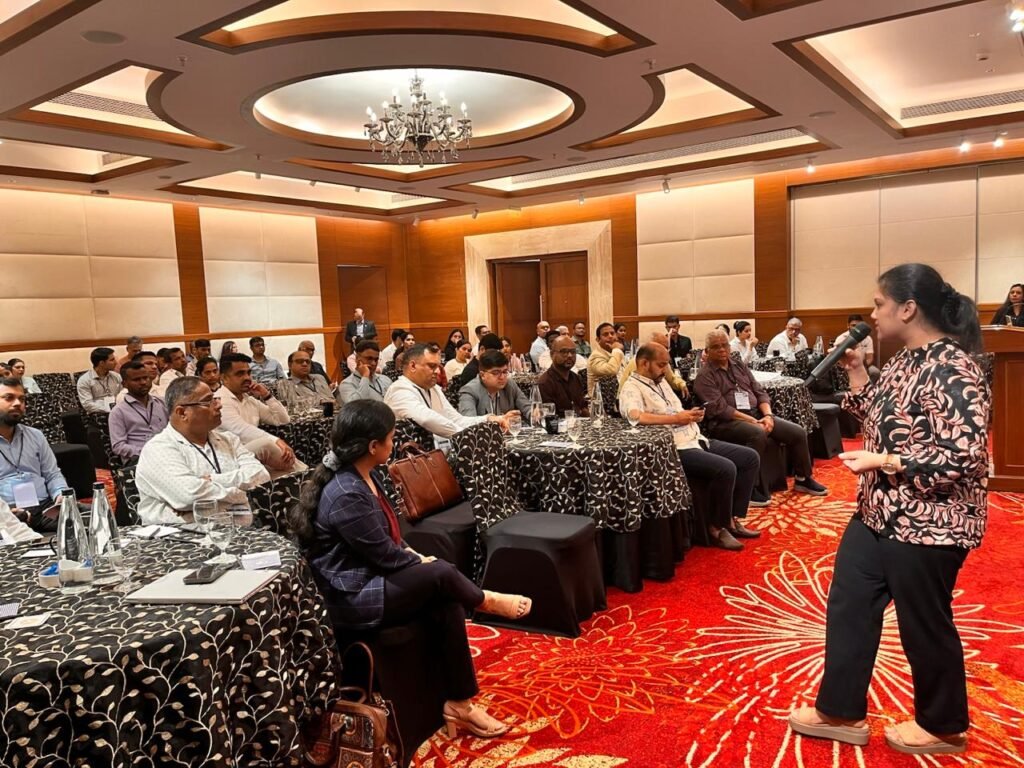
The first session delivered by Ms Madhusmita Panda, Senior Manager – Technology Consulting, Ernst & Young, provided a comprehensive overview of the Digital Personal Data Protection Act and Rules 2025. The session highlighted the importance of DPDP compliance no longer being merely a legal obligation but a business imperative for the hospitality sector. Hotels and restaurants handle vast volumes of sensitive guest, employee and vendor information, making robust data governance, cybersecurity and privacy practices essential. Organisations that invest in strong compliance frameworks, employee training and technology driven safeguards will not only avoid regulatory penalties but also strengthen guest trust, protect their reputation and build a resilient, future-ready hospitality business.
“Hospitality businesses should strengthen consent mechanisms, data security protocols and breach response systems, and more importantly, the reporting and accountability should be done in a timely manner. Compliance with data protection norms is critical in building consumer trust and operational resilience. Non-compliance with the DPDP Act can result in significant penalties and reputational damage,” says Ms Madhusmita Panda.
The second session by Mr Akshit Saraogi, Director – Global Trade and Customs, Indirect Tax, covered the most recent updated GST reforms. The key shift is the introduction of a 5 per cent GST rate without ITC for hotel accommodation tariffs of or below Rs.7500/- per day, while the 18 per cent rate with ITC continues for that above Rs.7500/- for accommodations and restaurants at specified premises, where a hotel is treated as specified premises if any room in the preceding financial year was supplied at more than the said tariff.
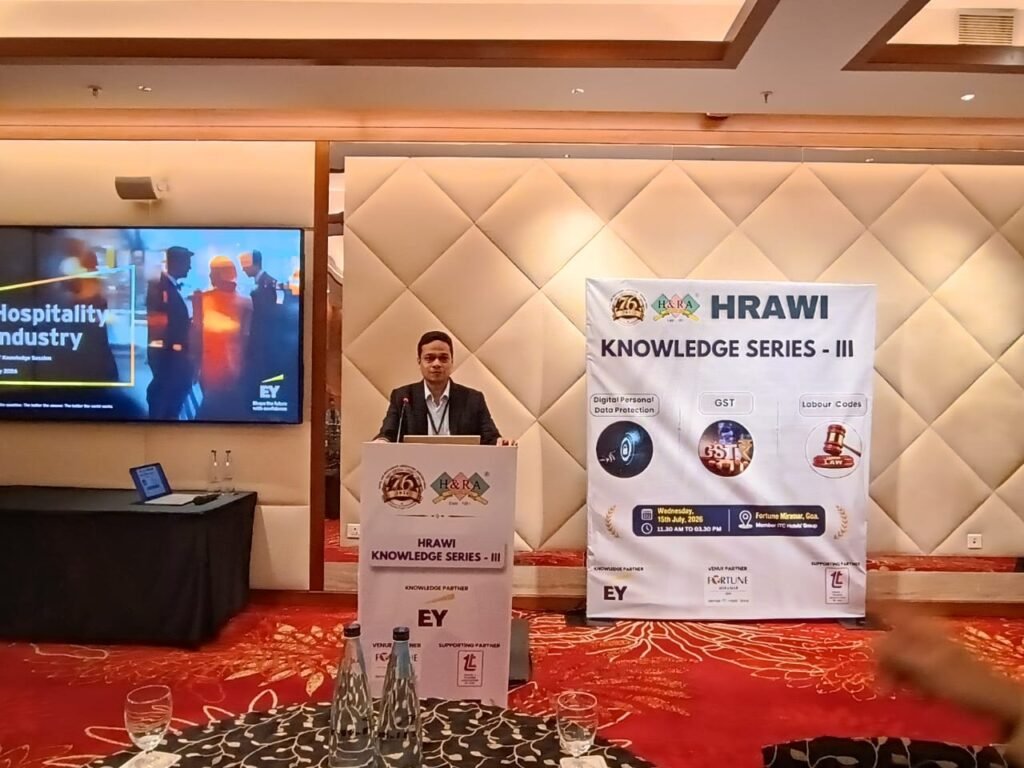
“This creates a critical challenge as hotels with lower tariff rooms lose ITC on inputs, increasing operating costs and requiring complex cost allocation and monthly ITC reversals. Tax authorities are increasingly scrutinising invoice level reconciliation, ITC reversals on exempt supplies, credit note compliance and data retrieval during audits, making automation of compliance, e-invoicing, and vendor communication essential for audit readiness. Members are advised to review and update ERP and POS systems, and seek professional guidance to navigate these changes effectively,” says Mr Akshit Saraogi.
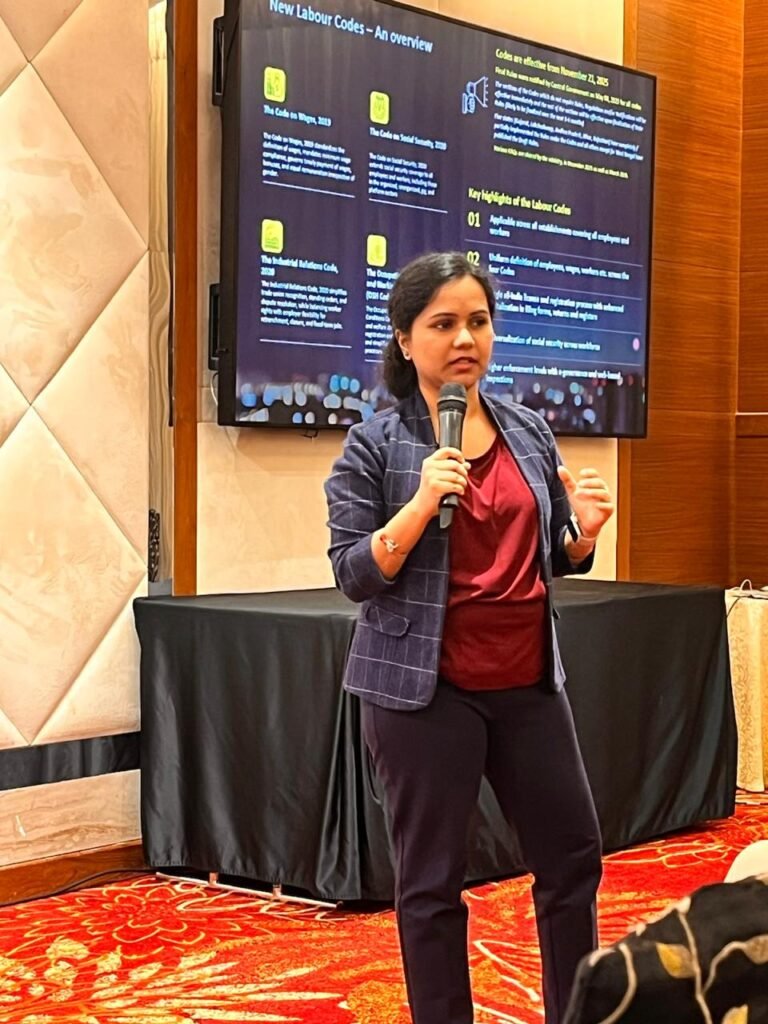
The third session jointly conducted by Mr Anshul Shukla, Business Consulting and Rituparna Mukhuty, Senior Manager – Risk Consulting of EY Consulting explained the four new Labour Codes on Wages, Social Security, Industrial Relations, and Occupational Safety, Health and Working Conditions. The most significant change for the hospitality sector is the new definition of wages, which caps exclusions including HRA, conveyance, overtime and bonuses, among others at 50 per cent of total remuneration, with any excess being treated as wage. This directly impacts PF, gratuity, bonus, leave encashment, and overtime calculations, and potentially increasing people costs by 5 to 10 per cent.
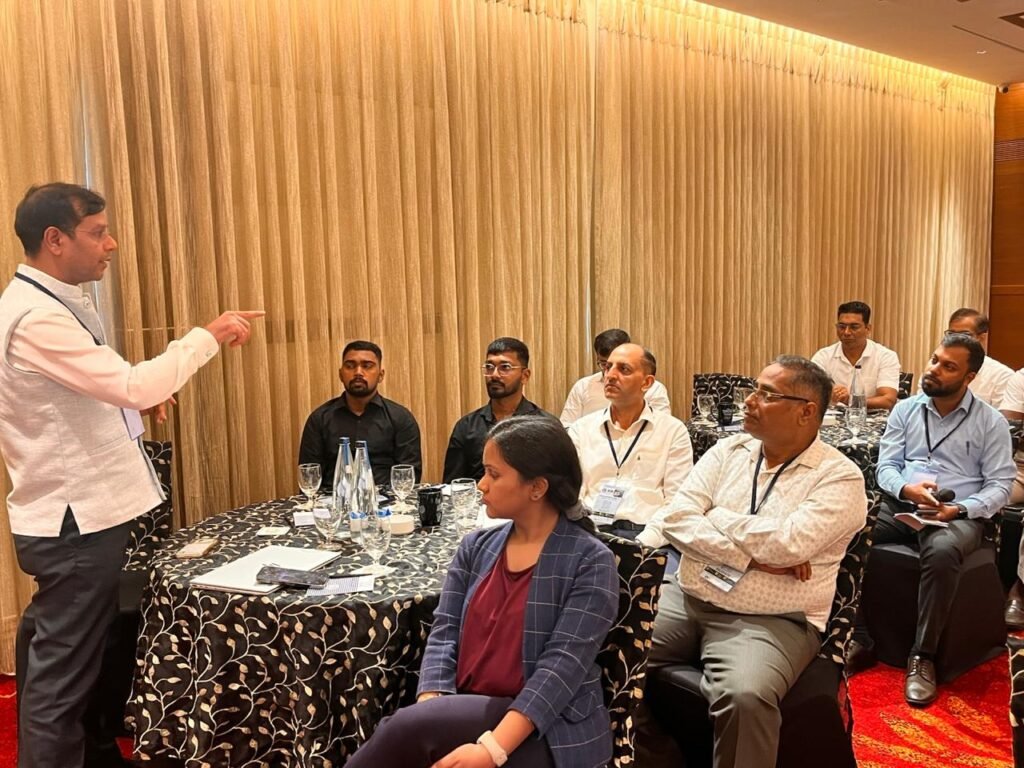
“For hospitality businesses, key impacts include restructuring compensation structures, reclassifying employees and workers, updating HR and payroll systems, amending employment contracts and vendor agreements, implementing OSH Code safety standards, and establishing continuous compliance monitoring mechanisms. As State rules are still being finalised over the next 3 to 4 months, members are advised to conduct a comprehensive compliance readiness assessment, model cost impacts and prepare their systems and policies immediately,” says Mr Anshul Shukla.
Ernst & Young (EY) continued as the Official Knowledge Partner for the series. The sessions were led by subject matter experts from EY and industry specialists, offering actionable insights to help hospitality businesses navigate complex compliance landscapes.
“The Knowledge Series is designed to equip hospitality leaders with the knowledge and confidence needed to navigate the new compliance requirements effectively and stay ahead of the regulatory curve. This was the third in the series with the previous two held in Pune and Mumbai, with more such sessions being planned over the coming months across the western region. HRAWI remains dedicated to empowering hospitality professionals with actionable insights and building a resilient, future ready sector,” concludes Mr Carl Costa, EC Member & Area Nominee (Goa), HRAWI.
About the Hotel And Restaurant Association (Western India) – HRAWI
The Hotel And Restaurant Association (Western India) – HRAWI is a 76 years old Association of Hotels and Restaurants in Western India. Its members include Restaurants and Hotels up to 5-Star Deluxe categories. With membership base spread across Western India, HRAWI covers Maharashtra, Gujarat, Madhya Pradesh, Chhattisgarh, Goa and Union Territory of Dadra and Nagar Haveli and Daman and Diu, and is considered to be the voice of the Hospitality Industry. The association is part of the national body of the Federation of Hotel & Restaurant Associations of India (FHRAI), located in New Delhi, which was originally founded in Mumbai in 1950 by the late Mr J.R.D. Tata.