India, New Zealand Deepen Food Technology Partnership with NIFTEM-K–Massey University MoU
Five-year collaboration to boost food processing innovation, research, student exchange and global academic cooperation between India and New Zealand. Key Highlights NIFTEM-Kundli signs a five-year Memorandum of Understanding (MoU) with Massey University, New Zealand. Partnership focuses on food
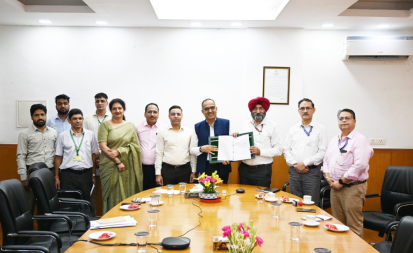
Five-year collaboration to boost food processing innovation, research, student exchange and global academic cooperation between India and New Zealand.
Key Highlights
- NIFTEM-Kundli signs a five-year Memorandum of Understanding (MoU) with Massey University, New Zealand.
- Partnership focuses on food technology, food processing, innovation and higher education.
- Collaboration includes joint research, faculty and student exchange programmes, and international seminars.
- Institutions to jointly pursue third-party research funding.
- MoU aims to strengthen India’s food processing innovation ecosystem and global academic partnerships.
- Agreement supports knowledge exchange and skill development for future food industry professionals.
NIFTEM-K and Massey University Join Hands to Advance Food Processing Innovation
India has strengthened its international collaboration in food technology and food processing with the signing of a Memorandum of Understanding (MoU) between the National Institute of Food Technology Entrepreneurship and Management, Kundli (NIFTEM-K) and Massey University, New Zealand.
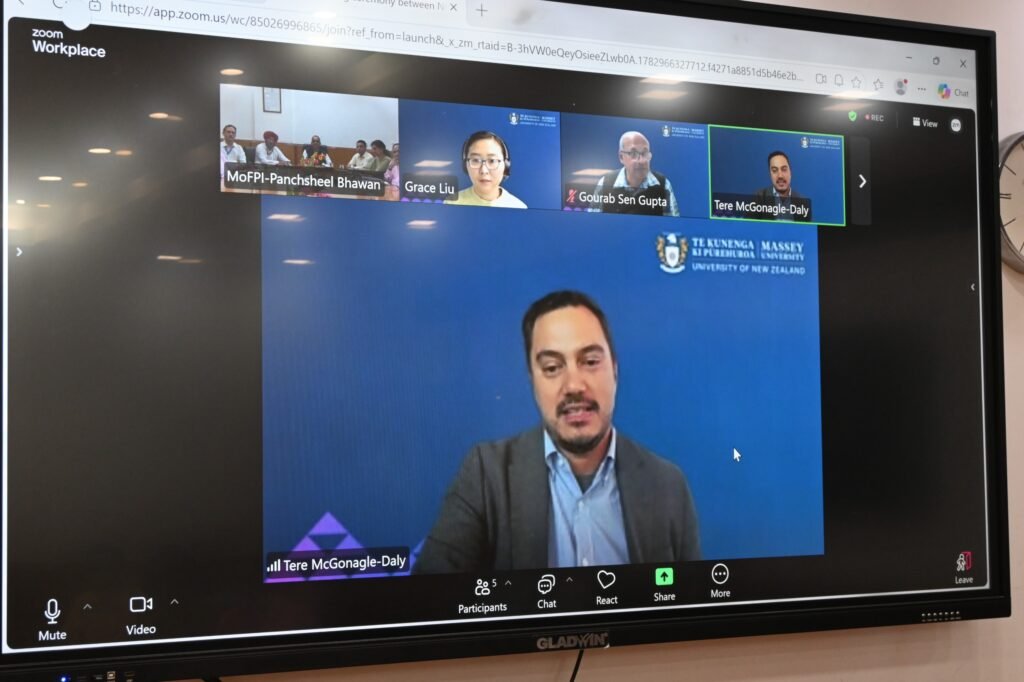
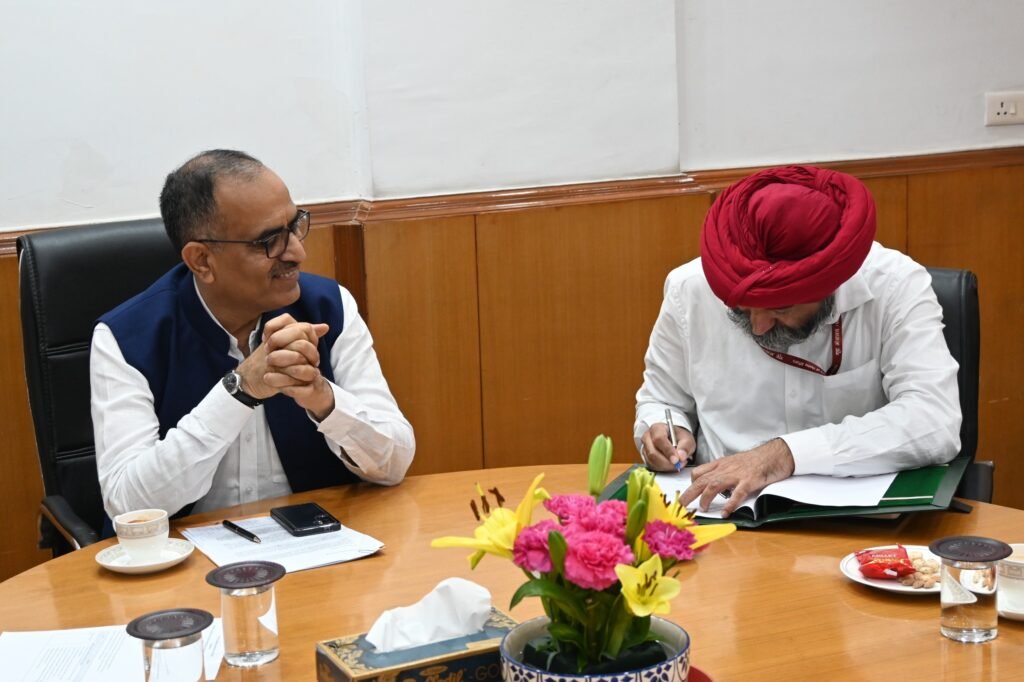
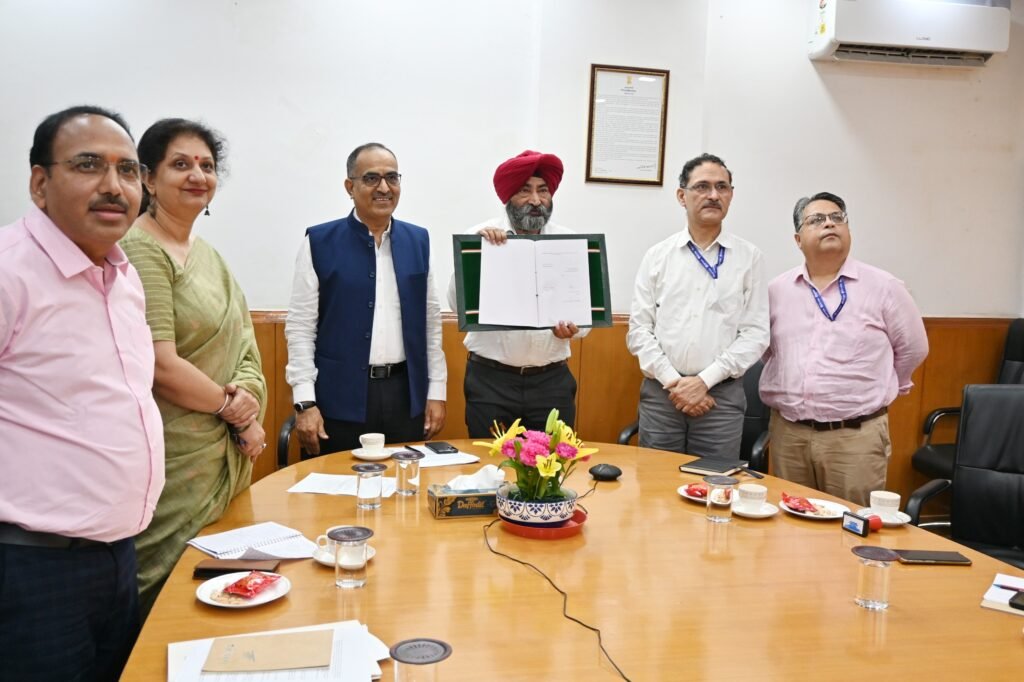
The agreement, signed on July 2, 2026, was formalised in the presence of A.P. Das Joshi, Secretary, Ministry of Food Processing Industries (MoFPI), Devesh Deval, Joint Secretary, MoFPI, and senior officials from NIFTEM-K led by Director Dr. Harinder Singh Oberoi.
The partnership is designed to strengthen academic cooperation, promote research and accelerate innovation in food technology and food processing over the next five years.
Focus on Research, Innovation and Skill Development
The MoU establishes a framework for collaboration across several strategic areas, including:
- Joint research projects in food technology and food processing
- Collaborative applications for international research funding
- Faculty, researcher and student exchange programmes
- Academic seminars, workshops and conferences
- Knowledge sharing and innovation initiatives
- Capacity building in higher education
Dedicated coordinators from both institutions will oversee the implementation of collaborative activities to ensure effective execution of the partnership.
The agreement will remain valid for five years, with the option for renewal by mutual consent. It also includes provisions protecting the intellectual property rights of both institutions while serving as a framework for future academic collaboration.
Boosting India’s Food Processing Ecosystem
The collaboration aligns with India’s efforts to strengthen its food processing sector through global partnerships, advanced research and industry-oriented education.
By connecting one of India’s premier food technology institutions with a leading New Zealand university known for agricultural and food sciences, the partnership is expected to create greater opportunities for students, researchers and faculty while encouraging innovation across the food value chain.
Hospitality, Food & Tourism Impact
The partnership has strong relevance for India’s hospitality, food service and tourism industries, where innovation in food processing, food safety and product development is becoming increasingly important.
Collaborative research can contribute to the development of longer shelf-life foods, sustainable packaging, functional foods, ready-to-eat products and value-added ingredients, benefiting hotels, restaurants, airline catering, institutional kitchens and the broader food service sector.
For hospitality businesses, advances in food technology can improve supply chain efficiency, reduce food waste and enhance menu consistency—key priorities for modern hotels and restaurants.
The collaboration may also support culinary innovation by enabling the development of new processed food products using Indian ingredients for both domestic consumption and international markets. In the long term, stronger academic ties between India and New Zealand could foster greater cooperation in agri-food innovation, culinary education and food tourism, further strengthening India’s growing food processing ecosystem.