India Conducts National One Health Mock Drill to Strengthen Response to Animal Disease Outbreaks
'Pashujanya Yudh Abhyas' tests India's preparedness for zoonotic disease emergencies, reinforcing food safety, livestock resilience and coordinated public health response. Key Highlights Department of Animal Husbandry & Dairying conducts the third national-level Pashujanya Yudh Abhyas (PYA). Five-day mock
‘Pashujanya Yudh Abhyas’ tests India’s preparedness for zoonotic disease emergencies, reinforcing food safety, livestock resilience and coordinated public health response.
Key Highlights
- Department of Animal Husbandry & Dairying conducts the third national-level Pashujanya Yudh Abhyas (PYA).
- Five-day mock exercise held in Vidisha, Madhya Pradesh, from June 29 to July 3, 2026.
- Simulation based on a hypothetical Influenza A (H1N1) outbreak in animals with potential transmission to humans and wildlife.
- Exercise validates India’s One Health emergency response framework.
- Participation from DAHD, ICAR, ICMR, NCDC, AIIMS Bhopal, NIHSAD, Forest Department and district administration.
- Focus on disease surveillance, laboratory testing, outbreak management, biosecurity and public communication.
- Centre aims to strengthen preparedness against future zoonotic disease outbreaks.
National One Health Mock Drill Enhances India’s Preparedness for Animal Health Emergencies
The Department of Animal Husbandry & Dairying (DAHD), under the Ministry of Fisheries, Animal Husbandry & Dairying, has successfully completed the third national-level ‘Pashujanya Yudh Abhyas (PYA)’, a large-scale mock exercise designed to evaluate India’s preparedness for animal disease emergencies and zoonotic outbreaks.
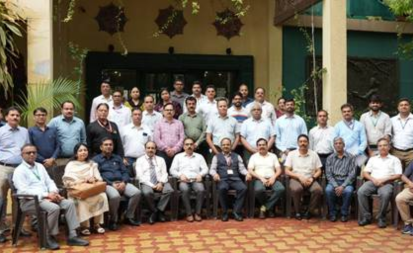
Held over five days from June 29 to July 3 at Khari village in Vidisha district, Madhya Pradesh, the exercise brought together multiple government agencies under the One Health framework, which integrates animal, human and environmental health to tackle emerging disease threats.
The drill assessed India’s ability to detect, contain and manage a zoonotic disease outbreak through coordinated action involving veterinary services, healthcare institutions, wildlife authorities, laboratories and local administration.
Mock H1N1 Outbreak Tested National Response System
The exercise simulated an outbreak of Influenza A (H1N1) in animals with the potential to spread to humans and wildlife, allowing participating agencies to test the complete emergency response chain.
Key areas covered during the drill included:
- Disease surveillance and early warning systems
- Outbreak investigation and field epidemiology
- Sample collection and laboratory diagnosis
- Biosecurity and containment measures
- Animal movement control
- Incident management
- Risk communication and public awareness
- Coordination among multiple departments
The objective was to validate operational readiness while identifying gaps in emergency response mechanisms.
Multi-Agency Participation Under One Health Approach
The mock exercise witnessed participation from several national institutions, including the Department of Animal Husbandry & Dairying (DAHD), the Indian Council of Agricultural Research (ICAR), the National Centre for Disease Control (NCDC), the Indian Council of Medical Research (ICMR), AIIMS Bhopal, ICAR-National Institute of High Security Animal Diseases (NIHSAD), the Ministry of Environment, Forest and Climate Change, along with state and district departments of Madhya Pradesh.
Experts from veterinary science, public health, wildlife management and laboratory research worked together under the guidance of the National Joint Outbreak Response Team (NJORT).
Following the exercise, officials reviewed operational observations, identified areas for improvement and discussed measures to strengthen India’s emergency response protocols and inter-sectoral coordination.
According to the Department, the exercise reinforces the Government’s commitment to building resilient veterinary systems capable of preventing, detecting and responding rapidly to emerging and re-emerging zoonotic diseases.
Hospitality, Food & Tourism Impact
Strong animal disease surveillance and rapid emergency response systems are increasingly important for the hospitality, food service and tourism industries, where food safety and public health directly influence consumer confidence.
Preparedness exercises such as Pashujanya Yudh Abhyas help strengthen India’s livestock health systems, reducing the risk of disruptions to dairy, poultry and meat supply chains that support hotels, restaurants, catering businesses and food manufacturers.
A robust One Health framework also enhances India’s reputation as a safe destination for domestic and international travellers by improving preparedness against zoonotic diseases that can affect tourism, aviation, hospitality and large public events.
For food businesses, stronger surveillance and biosecurity protocols contribute to safer sourcing, improved traceability and greater confidence in India’s agricultural and livestock value chains—an increasingly important factor for both domestic hospitality operators and export-oriented food industries.