Assam’s Wild Rice Conservation Project Achieves Major Milestone with Biodiversity Heritage Status
NRAA-supported conservation initiative secures Biodiversity Heritage Site recognition for Borjuli in Sonitpur, strengthening India's climate-resilient agriculture and agro-biodiversity. Key Highlights Borjuli in Assam's Sonitpur district notified as a Biodiversity Heritage Site. Recognition achieved under an NRAA-funded wild rice
NRAA-supported conservation initiative secures Biodiversity Heritage Site recognition for Borjuli in Sonitpur, strengthening India’s climate-resilient agriculture and agro-biodiversity.
Key Highlights
- Borjuli in Assam’s Sonitpur district notified as a Biodiversity Heritage Site.
- Recognition achieved under an NRAA-funded wild rice conservation project launched in 2022.
- Project implemented by ICAR–National Bureau of Plant Genetic Resources (ICAR-NBPGR) in collaboration with the Assam State Biodiversity Board.
- Focus on conserving wild rice (Oryza rufipogon), a key genetic resource for future crop development.
- Conservation expected to support climate-resilient, high-yielding and nutritionally superior rice varieties.
- Centre calls for similar initiatives to protect other crop wild relatives across India.
Borjuli in Assam Declared Biodiversity Heritage Site Under Wild Rice Conservation Initiative
India has strengthened its efforts to conserve agricultural biodiversity with the Borjuli site in Sonitpur district, Assam, being officially notified as a Biodiversity Heritage Site under a National Rainfed Area Authority (NRAA)-funded project focused on protecting the country’s wild rice genetic resources.
The milestone was achieved through the project titled “In-situ Conservation and Management of Wild Rice (Oryza rufipogon) in Sonitpur District of Assam,” which has been implemented since 2022 by the ICAR–National Bureau of Plant Genetic Resources (ICAR-NBPGR) in partnership with the Assam State Biodiversity Board.
The recognition by the National Biodiversity Authority marks an important step towards safeguarding India’s indigenous crop diversity while supporting future agricultural innovation.
Wild Rice Holds Key to Climate-Resilient Agriculture
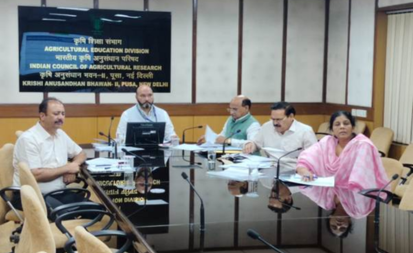
During a review meeting with NRAA officials, scientists from ICAR-NBPGR highlighted the project’s progress in identifying, conserving and characterising wild rice germplasm.
According to Dr. Chandra Shekhar Kumar, Chief Executive Officer of NRAA, wild rice species are an invaluable genetic resource that can help develop future rice varieties capable of withstanding climate stress while delivering higher productivity and improved nutritional value.
He also called for expanding similar conservation programmes to protect other crop wild relatives, strengthening India’s long-term food security and agricultural sustainability.
The project has focused on preserving naturally occurring populations of Oryza rufipogon, regarded as one of the ancestral species of cultivated rice and an important source of genetic traits such as disease resistance, flood tolerance and climate adaptability.
Boost for Biodiversity Conservation
The Biodiversity Heritage Site designation provides additional protection to the Borjuli ecosystem and recognises its ecological importance for preserving native plant genetic resources.
The initiative also reinforces India’s broader efforts to integrate biodiversity conservation with sustainable agriculture and climate adaptation strategies.
Hospitality, Food & Tourism Impact
The conservation of indigenous crop biodiversity has growing relevance for India’s hospitality, culinary and tourism sectors, particularly as travellers increasingly seek authentic, sustainable and locally sourced food experiences.
Protecting native rice varieties and their wild genetic relatives strengthens the long-term resilience of India’s food supply chain, benefiting restaurants, hotels and food producers that rely on high-quality regional ingredients.
For Assam, the Biodiversity Heritage Site recognition also enhances opportunities for eco-tourism, agri-tourism and educational tourism, attracting researchers, conservationists and travellers interested in biodiversity, sustainable agriculture and indigenous food systems.
The initiative complements the Northeast’s expanding reputation for nature-based tourism while supporting local communities through conservation-led development and sustainable rural livelihoods.