India Records Highest-Ever Foodgrain Production of 376.56 Million Tonnes; Rice, Wheat, Maize and Oilseeds Hit New Highs
Record harvest expected to strengthen food supply chains, support food processing growth and improve raw material availability for hospitality and foodservice sectors India has achieved its highest-ever foodgrain production, with total output estimated at 376.56 million
Record harvest expected to strengthen food supply chains, support food processing growth and improve raw material availability for hospitality and foodservice sectors
India has achieved its highest-ever foodgrain production, with total output estimated at 376.56 million tonnes for the 2025-26 crop year, according to the Third Advance Estimates released by the Ministry of Agriculture & Farmers Welfare.
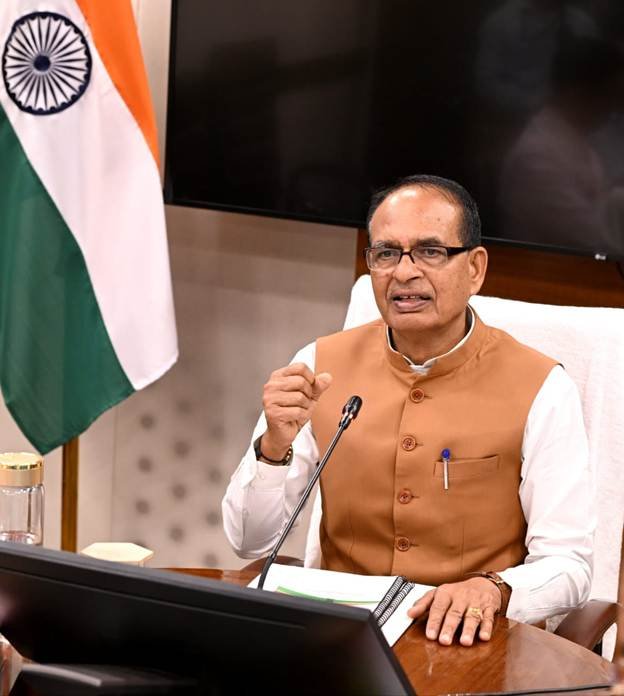
The record production marks a 5.3% increase over last year, reflecting strong growth across key crops including rice, wheat, maize, oilseeds and sugarcane. Union Agriculture Minister Shivraj Singh Chouhan credited farmers, agricultural research institutions and government initiatives for the historic performance.
The estimates highlight the growing resilience of India’s agriculture sector at a time when food security, climate adaptation and sustainable supply chains are becoming increasingly important for industries ranging from food processing to hospitality.
Key Highlights
- India records highest-ever foodgrain production of 376.56 million tonnes
- Output rises by 18.8 million tonnes over last year
- Record rice production estimated at 154.02 million tonnes
- Wheat production reaches 120.66 million tonnes
- Maize output touches an all-time high of 55.09 million tonnes
- Oilseed production estimated at 43.06 million tonnes
- Sugarcane production crosses 500 million tonnes
- Groundnut and mustard production register record levels
Rice, Wheat and Maize Lead Agricultural Growth
According to the Third Advance Estimates, rice production is projected at a record 154.02 million tonnes, an increase of nearly 3.84 million tonnes compared to the previous year.
Wheat production is estimated at 120.66 million tonnes, while maize has emerged as one of the strongest-performing crops, reaching a record 55.09 million tonnes—an increase of over 11.68 million tonnes year-on-year.
The combined growth in cereals is expected to strengthen food availability and support multiple downstream sectors including food manufacturing, quick-service restaurants, institutional catering and hotel procurement.
Pulses and Millets Continue to Gain Importance
Production of Shree Anna (millets) is estimated at 17.58 million tonnes, reflecting continued momentum behind the government’s millet promotion efforts.
Among pulses:
- Gram production is estimated at 12.51 million tonnes
- Tur production stands at 3.59 million tonnes
- Lentil production is estimated at 1.76 million tonnes
Higher pulse availability is expected to support India’s growing demand for protein-rich foods across retail, hospitality and packaged food segments.
Oilseeds and Sugarcane Deliver Strong Performance
Total oilseed production is estimated at 43.06 million tonnes.
Key contributors include:
- Groundnut: 13.07 million tonnes (record)
- Rapeseed & Mustard: 13.77 million tonnes (record)
- Soybean: 12.60 million tonnes
Meanwhile, sugarcane production is estimated at a record 500.06 million tonnes, up by more than 45 million tonnes over the previous year.
Industry experts believe the higher output could support edible oil processing, confectionery, bakery manufacturing and beverage industries that rely heavily on agricultural raw materials.
Research and Climate-Resilient Agriculture Driving Results
The Ministry highlighted the role of the Indian Council of Agricultural Research in developing climate-resilient crop varieties and sustainable farming technologies.
During 2025-26, ICAR released 339 crop varieties suitable for different agro-climatic conditions, while advancements in seed production, digital soil intelligence, water management and climate-smart agriculture contributed to productivity gains.
Officials noted that outreach initiatives such as the Viksit Krishi Sankalp Abhiyan have helped accelerate the adoption of improved farming practices at the grassroots level.
What It Means for Hospitality, Foodservice and Tourism
The record agricultural output is expected to have a positive ripple effect across India’s hospitality, foodservice and tourism industries. Higher production of rice, wheat, maize, pulses, oilseeds and sugarcane can improve the stability of food supply chains and help moderate input costs for hotels, restaurants, caterers and food manufacturers. Increased availability of millets and region-specific crops also supports the growing demand for wellness cuisine, farm-to-table dining and sustainable menus. For culinary tourism, stronger agricultural production enhances opportunities to showcase local ingredients, regional food traditions and agri-based experiences that are becoming increasingly important in destination marketing. The growth in sugarcane, oilseeds and foodgrain production is also expected to benefit beverage, bakery, confectionery and processed food segments that form a critical part of India’s hospitality ecosystem.
Industry Perspective
The record foodgrain harvest reinforces India’s position as one of the world’s largest agricultural producers while strengthening the foundation for food processing, hospitality and tourism sectors that depend on a reliable and diversified agricultural supply chain. As consumer demand increasingly shifts towards local sourcing, wellness foods and authentic culinary experiences, robust agricultural production is likely to play an important role in supporting the next phase of growth across the broader hospitality economy.