The Growing Impact of Social Media on Travel Planning, Hotel Marketing, and F&B Engagement
Discover how social media is transforming travel planning, hotel marketing, and food & beverage engagement. Stay ahead in the digital landscape of travel.

Michael Henssler
Chief Operating Officer, Centara Hotels & Resorts
In today’s landscape, social media is more than a marketing channel; it is a core touchpoint in the guest journey—one that shapes perception, drives decisions, and extends the experience far beyond the stay itself.
Social media has fundamentally reshaped how people discover, evaluate, and experience travel. What was once driven by guidebooks and traditional media is now influenced by real-time content, peer recommendations, and visual storytelling. At Centara Hotels & Resorts, this evolution presents both an opportunity and a strategic imperative.
Today’s travellers often begin their journey on platforms like Instagram, TikTok, and YouTube, where short-form videos, reviews, and curated feeds inspire destination choices. A single compelling visual or authentic recommendation can influence booking decisions more than traditional advertising. As a result, hotels must think beyond static promotion and focus on creating shareable, experience-driven moments—from striking design elements to unique dining concepts.
In hotel marketing, social media has shifted the focus toward authenticity and engagement. Audiences respond more strongly to genuine storytelling, behind-the-scenes content, and user-generated posts than to polished campaigns alone. Collaborations with content creators and influencers also play a key role, helping brands reach targeted communities while maintaining a relatable voice.
The impact is also particularly significant in the F&B space. Dining is no longer just about taste—it’s about visual appeal, storytelling, and social currency. Signature dishes, immersive dining environments, and interactive experiences are designed not only to delight guests but also to be shared online. A well-presented dish or a unique concept can quickly gain traction, driving both foot traffic and brand visibility.
Debaditya Chaudhury
Managing Director: Chowman, Oudh 1590, Chapter 2 and Chaudhury & Company
“Social media today is not just a marketing tool for F&B brands—it’s a stage where your story comes alive. At its core, food has always been about emotion, memory, and connection, and storytelling helps translate that onto a digital screen. Instead of merely showcasing dishes, restaurants should focus on narrating the journey behind them—the inspiration, the people, the culture, and even the small everyday moments in the kitchen.
When customers see the passion of a chef plating a dish, the sourcing of fresh ingredients, or the warmth of a team serving guests, they begin to relate to the brand on a deeper level. Storytelling humanises a restaurant—it turns it from a place that sells food into a brand that people feel connected to.
Consistency is key. Whether it’s through short videos, behind-the-scenes snippets, customer experiences, or even playful content, every piece should contribute to a larger narrative. Authenticity matters more than perfection—today’s audience can easily distinguish between curated ads and genuine stories.
For us, the idea has always been simple—if people can feel your story, they will want to experience it in person. And that’s where storytelling becomes powerful—it doesn’t just attract customers, it builds loyalty.”


The Digital Concierge: Shaping the Future of Hospitality through Social Media
Dr. Bhupesh Kumar
Principal, IHM Ranchi
In the contemporary hospitality landscape, social media has evolved from a mere digital gallery into a powerhouse of consumer influence. At IHM Ranchi, we observe how these platforms have fundamentally restructured the traveller’s journey, from the initial spark of inspiration to the final check-out.
From Inspiration to Booking
Hotels no longer wait for a search query; they create the desire. By utilizing short-form video and storytelling, brands immerse potential guests in “aspirational lifestyles” before a trip is even conceived. This visual allure is particularly potent for last-minute decisions, where real-time updates and limited-time social offers trigger immediate conversions.
The Power of Narrative and Influence
For F&B businesses, the plate is no longer the final product but the story behind the dish is. Restaurants that showcase the farm-to-fork journey or the chef’s craft through authentic behind-the-scenes (BTS) content build a deeper emotional resonance with diners.
This authenticity is further amplified through influencer collaborations. Unlike traditional ads, influencers provide a human lens that translates brand features into relatable experiences, significantly boosting visibility among niche demographics.
Building the Trust Ecosystem
Perhaps the most critical shift is in reputation management. In an era of instant feedback, social media serves as a public ledger of service quality.
Reviews & Ratings, act as modern-day “word-of-mouth,” carrying more weight than any marketing brochure. The speed and empathy with which a hotel responds to comments directly correlate to customer trust and brand loyalty.
Conclusion
Social media is the new digital concierge. For the next generation of hospitality professionals, mastering these platforms is not just about “posting content”; it is about managing a dynamic ecosystem of trust, storytelling, and real-time engagement. It is this digital synergy that will continue to inspire the vacations of tomorrow and define the success of global hospitality brands.
Paola Caciolli
General Manager, Conrad Kuala Lumpur
In this evolving landscape, social media serves as a powerful bridge between digital discovery and real-world experience—shaping perceptions, influencing decisions, and extending the journey well beyond the stay.
Social media continues to redefine how travellers discover, evaluate, and engage with destinations—well before a journey even begins. What was once guided by traditional media and word of mouth is now shaped by real-time content, peer recommendations, and visually driven storytelling. For Conrad Kuala Lumpur, set to open in Q4 this year, this shift presents a strategic opportunity to build awareness and anticipation ahead of launch.
Today’s travel decisions are increasingly influenced by what people see and experience online. Social media is no longer just a channel for promotion—it is where inspiration begins and expectations form. Platforms such as Instagram, TikTok, and YouTube play a central role in shaping perception. From short-form videos to immersive visual narratives, these platforms allow hotels to tell their story in a more dynamic and immediate way. For a new property, this creates the opportunity to engage audiences early—offering behind-the-scenes glimpses, design previews, and curated storytelling that build a sense of connection even before opening. Authenticity is key. Audiences today respond to genuine, experience-led content—whether it’s a moment captured by a guest or a story told through the lens of the destination.
The impact is especially significant in the F&B space, where visual appeal and shareability drive engagement. Signature dishes, distinctive concepts, and thoughtfully designed dining environments are not only created for the guest experience but also to resonate across digital platforms. A single compelling post can generate immediate interest and drive future visitation. At the same time, this digital influence comes with heightened expectations. The experience shared online must align seamlessly with what guests encounter in reality. Consistency, therefore, is essential for building trust and long-term brand equity.

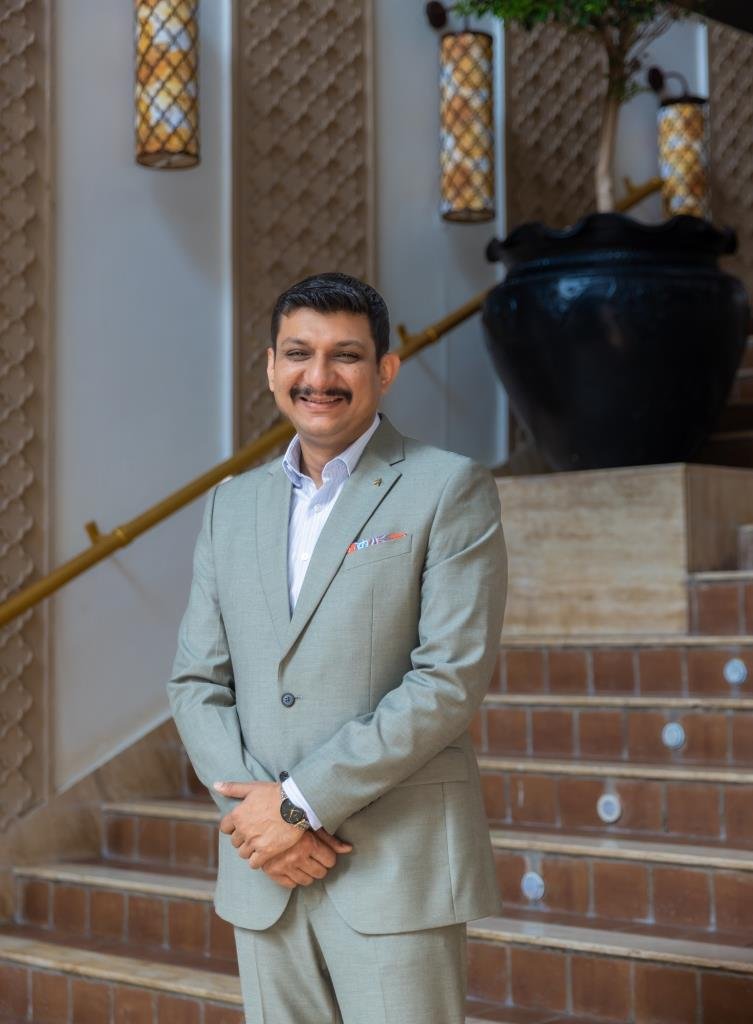
Amit Sangwan
Cluster General Manager, Novotel Goa Candolim, Novotel Goa Resort and Spa
1. How are hotels using social media content to inspire travelers before they even start planning a trip?
Social media today acts as the first layer of discovery. At Novotel Goa Candolim, the focus is on clear, consistent communication—showcasing the hotel as it is. A clean, uncluttered visual aesthetic helps present spaces in a way that is easy to understand, allowing guests to familiarise themselves with rooms, amenities, and overall experience even before shortlisting. The intent is not to create aspirational content alone, but to be informative and accurate in how the property is represented.
2. In what ways does social media influence last-minute travel decisions and hotel bookings?
Social media has significantly shortened the decision cycle. We increasingly see guests reaching out directly via DMs rather than traditional email queries, especially for quick clarifications before booking. Because the content is already clear and informative, guests often come with specific questions, which speeds up conversion. Ongoing visibility and responsiveness make the hotel feel accessible, supporting last-minute booking decisions.
3. How can F&B businesses and restaurants use storytelling on social media to attract more customers?
For F&B, storytelling lies in how the space and experience are presented. Creating visually clear, well-defined, and inherently “shareable” environments—what guests often refer to as a strong vibe—encourages organic content creation without forcing it. These Instagrammable moments, when designed with intent, naturally extend the reach of the space.
We also see guests arriving with a clear sense of what to expect, having already explored menus and dining experiences through social media. This prior familiarity shifts the role of content from promotion to reassurance.
As a result, guest-led storytelling becomes more effective than staged communication—positioning the restaurant as a lived experience rather than just a dining option.
4. How do influencer collaborations affect brand visibility in the travel and hospitality industry?
Influencer collaborations are most effective when they are selective and aligned with the right audience. At Novotel Goa Candolim, the focus is not on scale, but on working with creators who are relevant to our existing and target clientele—often those already followed within the same networks.
What also matters is the nature of the content created. We prioritise content that is clear, informative, and reflective of the actual experience, rather than highly
stylised outputs that may not translate into real bookings. This ensures that what guests see online aligns with what they experience on property.
As a result, collaborations move beyond visibility to familiarity. Guests often recognise the creators, understand the offering in advance, and engage with more intent—leading to stronger conversion, not just reach.
5. How do reviews, comments, and ratings on social media platforms impact customer trust in travel services?
Reviews and ratings play a critical role in shaping trust and influencing decisions. At Novotel Goa Candolim, this is not seen as a secondary metric—every review and guest interaction is closely valued, as the business is ultimately driven by guest experience and feedback.
Guests rely heavily on recent comments and ratings to assess credibility, often treating them as a real-time reflection of the hotel. Consistent responses and active engagement further reinforce transparency and accountability.
In many ways, reviews act as an extension of the brand itself—where guest voices influence perception, build confidence, and directly impact booking decisions.
6. How Social Media Inspires Your Next Vacation Choice
Social media today acts as both a moodboard and a guide in the travel planning journey. It brings together discovery, validation, and real-time experiences—allowing travellers to visualise, compare, and refine their choices in one place.
Sujata Gowda
Group General Manager Marketing & Communications, MRG Group
Social Media nowadays plays a role of a catalyst in travel planning, choosing a destination, choosing stays, travel mode, local sightseeing, shopping, souvenirs, food and experiences. While the reach and engagement cannot be quantified, it is a silent decision maker. As of 2026, over 50% of travellers are inspired by social media, with platforms like Instagram, TikTok, and YouTube acting as key discovery engines (source: Meta). Travelers often consider data generated by others to be more genuine and authentic than traditional advertising.
1. How are hotels using social media content to inspire travelers before they even start planning a trip?
Hotels are using social platforms to showcase services, behind-the-scenes and prioritising content to drive traffic through various OTAs and several third-party partners.
2. In what ways does social media influence last-minute travel decisions and hotel bookings?
Personally, I believe that while social media can influence, last-minute travel decisions are rare as they are done either for short distances or emergencies only. However last-minute travel is surging, driven by the thrill of spontaneity, remote work flexibility, and a fear of missing out (FOMO)
3. How can F&B businesses and restaurants use storytelling on social media to attract more customers?
One of the best ways to engage with customers is story-led communications. Storytelling has evolved from primitive traditions, cave paintings, and myths used for cultural preservation. Online media has been transforming from spoken, communal performances into enduring written works, and finally into interactive, global digital narratives, thus an extremely important part of all brand narratives.
4. How do influencer collaborations affect brand visibility in the travel and hospitality industry?
We must ask ourselves are influencers really influencing? Some studies indicate that while they can increase brand awareness, only 1 in 4 consumers may actually trust their recommendations, and many influencers may be seen as inauthentic, leading to a potential decline in effectiveness. This is a dish we need to consume with a pinch of salt.
5. How do reviews, comments, and ratings on social media platforms impact customer trust in travel services?
While customers use and refer to more than one platform for ratings, managing and monitoring social media reviews is now a critical, high-impact component of travel reputation management, as they are key drivers of trust.
6.How Social Media Inspires Your Next Vacation Choice
I am extremely intrigue by Japan as my next travel destination, given how the country promotes itself uniquely for its disciplines, human approach, tourism management in cities like Kyoto, a surge in off-the-beaten-path travel to rural areas, sustainable/eco-tourism, and high-end luxury travel.


Ritesh Sharma
General Manager, Crowne Plaza Today New Delhi Okhla
Social media today is not just a marketing tool—it is the first touchpoint of the guest journey, often influencing decisions even before travel intent is fully formed.
Hotels are increasingly using visually rich and experience-led content to inspire aspiration. Through immersive reels, guest stories, behind-the-scenes moments, and curated experiences, we position the hotel not just as a place to stay, but as a destination in itself—planting the seed for future travel.
Social media also plays a critical role in last-minute decision-making. Real-time content, limited-time offers, and geo-targeted promotions create immediacy, encouraging spontaneous bookings. A well-timed post or trending reel can directly convert interest into action.
For F&B, storytelling is the differentiator. It’s no longer about just showcasing dishes—it’s about telling the story behind the cuisine, the chef, and the experience. Engaging narratives, live interactions, and visually compelling plating help create a sensory connection that drives footfall.
Influencer collaborations further amplify reach and credibility. The right partnerships bring authenticity and allow brands to tap into highly engaged niche audiences, significantly enhancing visibility and recall.
Equally important is the impact of reviews, comments, and ratings. Today’s traveler relies heavily on peer validation. Transparent engagement with feedback—both positive and negative—builds trust and reflects brand integrity.
Ultimately, social media has transformed how travelers choose their next destination. It doesn’t just inform decisions—it inspires them, shapes perceptions, and drives action in real time.
Kadambari Sabharwal Talwar
General Manager, Courtyard by Marriott Bengaluru Hebbal.
1. How are hotels using social media content to inspire travelers before they even start planning a trip?
Hotels use visually rich, experience-led content to spark aspiration. Storytelling focuses on moments: brunches, stays and views, helping audiences visualize their experience even before planning begins. Travel decisions are increasingly influenced by visually compelling shareable content across platforms such as Instagram and YouTube shots. Audiences are drawn to destinations that offer experiential value aligned with what they see online, creating an emotional and aspirational connection. Real-time reviews and social proof now play a critical role in shaping occupancy rates and pricing dynamics on aggregator platforms. Additionally, targeted advertising is being utilized to drive traffic and conversions, tailored to individual preferences, location and behavioral insights.
2. In what ways does social media influence last-minute travel decisions and hotel bookings?
Real content, reels and limited-time offers create urgency, often triggering spontaneous bookings. Seamless call-to-actions further accelerate decision-making. In response, hotels have strategically pivoted toward leveraging user-generated content and influencer collaborations.
3. How can F&B businesses and restaurants use storytelling on social media to attract more customers?
F&B storytelling goes beyond dishes to highlight experiences, chef stories, occasions and ambience, making dining more relatable and desirable. People are more inclined to engage with visual storytelling and immersive content rather than relying solely on a static menu. Thoughtfully curated experiences capture attention, evoke emotion and spark curiosity, ultimately driving deeper interest, stronger recall and a more meaningful connection with the brand.
4. How do influencer collaborations affect brand visibility in the travel and hospitality industry?
Authentic influencer partnerships enhance visibility and credibility. Niche creators in particular, drive stronger engagement through relatable content. Such collaborations function as a modern extension of word-of-mouth marketing, fostering a level of trust that often surpasses traditional advertising. Such partnerships enable brands to expand their reach significantly, engaging not only their existing audience but also the influencer’s established community. Authenticity remains central to their effectiveness; when audiences relate to the influencer, the messaging is perceived as more genuine, conversational and credible rather than overtly promotional. When
aligned strategically, the right collaborations consistently drive higher engagement, enhance brand visibility and strengthen overall audience connection.
5. How do reviews, comments, and ratings on social media platforms impact customer trust in travel services?
Reviews act as trust drivers. Positive feedback, combined with responsive brand engagement, builds credibility and influences booking decisions.
6. How Social Media Inspires Your Next Vacation Choice?
Social media shapes intent by turning passive browsing into aspiration. Personalized, experience-driven content makes destinations feel accessible, often influencing where and how people choose to travel.

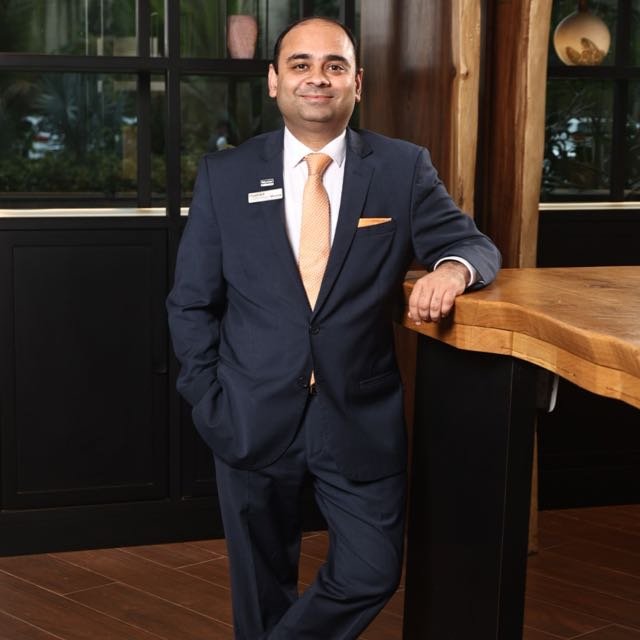
Prashant Chadha
General Manager, Le Méridien Ahmedabad
Social media has changed the way people decide to travel, putting inspiration ahead of intent. Hotels today are no longer waiting for a guest to begin planning—they are actively seeding aspiration. At Le Méridien Ahmedabad, for instance, curated visual storytelling, immersive reels, and culturally rooted narratives allow potential guests to “experience” the property, the destination, and its sensibilities well before a search is initiated. This pre-intent engagement is critical in positioning the hotel not just as accommodation, but as part of a larger lifestyle and travel aspiration.
Social media has also dramatically shortened decision cycles. Last minute bookings are being driven by real-time content; whether it is a trending reel, geo-tagged social media post, or limited time offer pushed through stories. The immediacy established by platforms like Instagram allows for a decrease in the friction that exists between discovering something and booking it. This is especially true for younger, mobile-first travellers who prefer visually driven content and peer validation rather than traditional research methods.
For F&B specifically, the shift in behaviour is even greater. Restaurants are tapping into the power of storytelling: behind the scenes glimpses into the kitchen, chef’s stories, sourcing journeys, and guest experiences create an emotional connection with customers. Increasingly, there is also a conscious spotlight on sustainable sourcing – whether it’s partnerships with local farmers, seasonal produce, or responsible procurement practices – which adds a layer of transparency and purpose to the narrative. The focus has shifted from simply showcasing food to creating stories about what has occurred prior to each dish arriving at the table. This layered storytelling drives both footfall and recall.
Influencer collaborations today are most effective when they move beyond transactional visibility to genuine brand alignment. It is no longer about partnering with creators purely for reach, but about identifying voices that naturally resonate with the hotel’s ethos, design sensibility, and guest experience. When done thoughtfully, these collaborations offer a more nuanced, first-person narrative—bringing alive the stay, dining, and cultural elements in a way that feels credible and immersive. This depth of storytelling allows hotels to tap into highly engaged, like-minded communities, driving not just awareness but meaningful consideration and intent.
Finally, reviews, comments, and ratings act as powerful trust anchors. Social proof has become non-negotiable—guests often validate their choices through peer experiences shared online. Positive engagement reinforces credibility, while how a brand responds to criticism can significantly influence perception.
In essence, social media today doesn’t just market hospitality—it shapes desire, validates choice, and ultimately drives conversion.
Mukesh Rakshit
General Manager, Sayaji Hotel Kolhapur
1. How are hotels using social media content to inspire travelers before they even start planning a trip?
Today, social media acts as a digital storefront for hotels. At Sayaji Kolhapur, we focus on visually rich content, luxurious room walkthroughs, vibrant F&B experiences, guest moments, and behind the scenes glimpses. Short form videos, reels, and curated storytelling help potential travelers imagine their stay even before they begin planning. It’s about creating aspiration and turning a scroll into a future booking. Importantly, we are using real time pictures and videos instead of stock images, which brings authenticity and helps build a stronger emotional connect with our audience.
2. In what ways does social media influence last-minute travel decisions and hotel bookings?
Social media strongly influences last-minute travel decisions by making the stay experience feel immediate and attainable. At Sayaji Kolhapur, we focus on real time visuals of our rooms, suites, and overall ambiance showcasing readiness, comfort, and luxury. When potential guests see freshly prepared rooms, elegant interiors, or a glimpse of a relaxing stay experience, it creates an instant connection and urgency to book. Live updates, short videos, and reels highlighting room features, views, and in room experiences help guests quickly imagine themselves at the property. Additionally, easy access to contact options like direct messaging or click to call further speeds up the decision making process, turning spontaneous interest into confirmed bookings within minutes.
3. How can F&B businesses and restaurants use storytelling on social media to attract morecustomers?
Storytelling humanizes the brand. Instead of just posting dishes, we highlight the journey chef specials, ingredient sourcing, kitchen moments, and guest reactions. At Sayaji, we often showcase the experience around the meal, not just the food. When customers emotionally connect with a story, they are more likely to visit and share their own experience.
4. How do influencer collaborations affect brand visibility in the travel and hospitality industry?
Influencer collaborations significantly amplify reach and credibility. Collaborating with local and regional influencers helps us tap into targeted audiences. Their authentic experiences build trust and create relatability. However, the key lies in selecting influencers whose audience aligns with the brand’s positioning to ensure meaningful engagement, not just visibility.
5. How do reviews, comments, and ratings on social media platforms impact customer trust in travel services?
Guest reviews are the modern word of mouth. Positive feedback strengthens credibility, while constructive criticism offers an opportunity to improve and demonstrate responsiveness. At Sayaji, we actively engage with guest feedback thanking them for appreciation and promptly addressing concerns. Transparent communication builds long term trust and loyalty.
6. How Social Media Inspires Your Next Vacation Choice
Social media has transformed how travelers discover destinations. A single reel showcasing a property’s ambiance, cuisine, or unique experience can influence destination choice. For many travelers, inspiration comes before intention what they see online shapes where they want to go next. As a hotel, our role is to consistently present experiences that spark that desire.
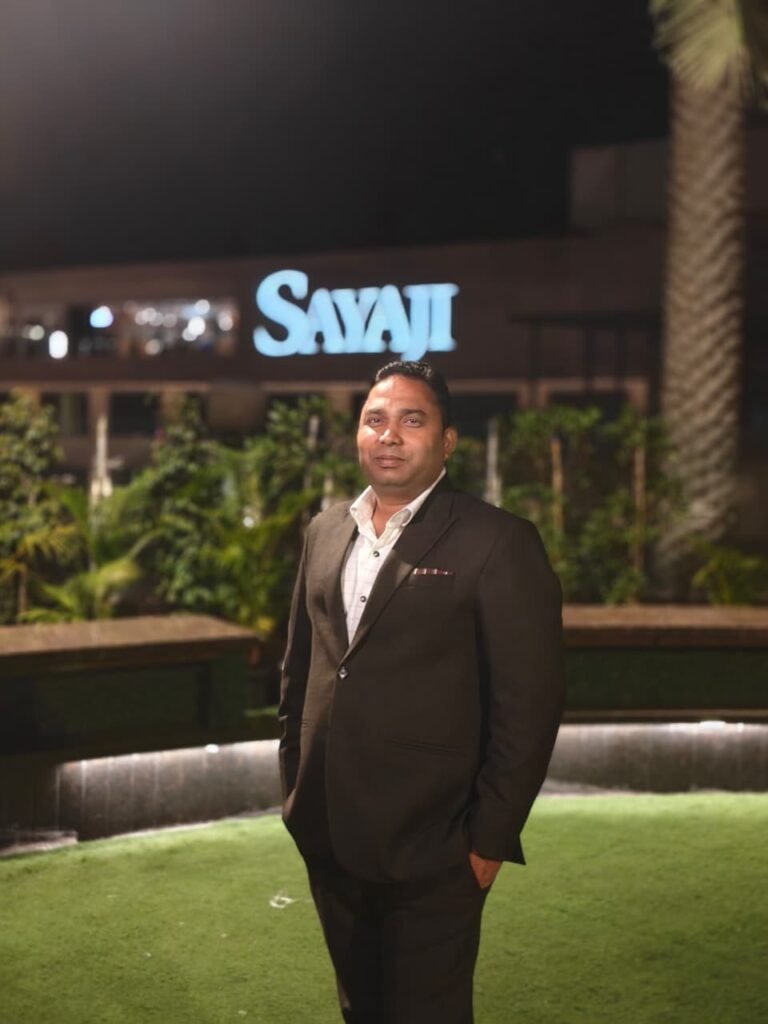
Shamal Chavan
GM Marketing, Lords Hotels & Resorts
1. How are hotels using social media content to inspire travelers before they even start planning a trip?*
Hotels today focus on selling the feeling of a destination and the experiences they offer. Content is created to spark aspiration and a sense of FOMO, whether it’s a beautiful room view, a local experience, or something unique around the property. It’s no longer just about the hotel, but about what a traveler can do and feel there. At Lords, we highlight seasonal moments, local festivals, special occasions at devotional destinations, and long weekends. This makes the content more relatable and helps travelers picture their trip even before they start planning.
2. In what ways does social media influence last-minute travel decisions and hotel bookings?*
Social media strongly drives spontaneous travel, especially for destinations within a few hours’ drive. When a place looks easy and accessible, people are more likely to act on it quickly. Well-timed content can turn a simple scroll into an immediate plan. Flash deals and last-minute offers shared on Lords’ social platforms further push impromptu planners to make quick booking decisions.
3. How can F&B businesses and restaurants use storytelling on social media to attract more customers?*
People go out for experiences, not just food. While good visuals grab attention, what works best is showing the story behind the place. The vibe, the team, the making of the dishes, and real guest moments make the brand feel more genuine. Even using the restaurant’s staff as content creators can make a big difference. That connection is what brings people in.
4. How do influencer collaborations affect brand visibility in the travel and hospitality industry?*
Influencers help brands scale quickly by bringing both reach and content. It’s often more efficient than producing everything in-house. The key is choosing the right creators whose audience matches the brand. While collaborations are effective, brands need to be mindful and check authenticity, as fake engagement is quite common.
5. How do reviews, comments, and ratings on social media platforms impact customer trust in travel services?*
Reviews and comments act as real, experience-based feedback. People trust other travelers more than brand messaging. Good reviews build confidence, and even how Lords Hotels handles negative feedback matters. This kind of social proof plays a big role in final booking decisions.
6. How does social media inspire your next vacation choice?*
Social media is where travelers discover new destinations and ideas. Over time, this builds into a personal travel bucket list, sorted into quick getaways or longer trips. So when it’s time to plan, there is already a clear set of options, making the decision faster and easier.
Vikas Kumar Chona
Director of Sales & Marketing, Sheraton Grand Chennai Resort & Spa
Social media has evolved from a digital gallery into a dynamic ecosystem that dictates the modern guest journey. At Sheraton Grand Chennai Resort & Spa, we view these platforms not just as marketing tools, but as windows into the soul of our property.
1. How are hotels using social media content to inspire travelers before they even start planning a trip?
The “Pre-Planning” phase is all about capturing the imagination through high-definition visual storytelling that sparks passive inspiration. By showcasing the “Grand” life, from sun-drenched mornings by the Bay of Bengal to the intricate details of a South Indian seafood platter at C Salt, we plant seeds of desire. Our strategy focuses on “vibe-setting” through cinematic reels that make a viewer stop scrolling and start dreaming of a coastal escape long before they check their calendars. To drive this intent further, we also aspire to focus on “Reasons to Visit” through social media, providing the tangible hooks that turn a dream into a destination.
2. In what ways does social media influence last-minute travel decisions and hotel bookings?
Influencing Last-Minute Decisions via Social Media serves as a real-time concierge. Social media is the digital seasoning for hotel F&B, turning every plate into a visual invitation that brings guests from their screens straight to your tables. Limited-time offers and live coverage of our Sunday brunch at The Reef create immediate FOMO. For the spontaneous traveler, a vibrant Instagram Story featuring our infinity pool or a serene spa session often acts as the final nudge to hit the “Book Now” button for a weekend getaway.
3. How can F&B businesses and restaurants use storytelling on social media to attract more customers?
In our F&B outlets, we move beyond menus to narratives. Whether it’s the “Farm-to-Fork” journey of ingredients or the heritage behind a signature cocktail at Pintail Lounge, storytelling humanizes our brand and fosters a sense of community. Authentic, behind-the-scenes content of our chefs at work builds an emotional connection that resonates far more than a static food shot, turning casual diners into a loyal tribe. By weaving these personal stories into our brand ethos, we create a space where guests feel like part of our journey, transforming a single meal into a lasting relationship built on shared values and authenticity.
4. How do influencer collaborations affect brand visibility in the travel and hospitality industry?
Influencers are our modern-day storytellers. By partnering with creators who align with our wellness and luxury ethos, we gain access to high-trust micro-communities. These collaborations provide a “lived-in” perspective of the resort, significantly amplifying our brand visibility through relatable, third-party validation.
5. How do reviews, comments, and ratings on social media platforms impact customer trust in travel services?
We build trust through social proof. Transparency is the ultimate currency. We actively engage with reviews and comments, treating every digital interaction as a public guest service opportunity. A prompt, thoughtful response to a rating demonstrates our commitment to excellence, directly influencing the trust—and eventual booking—of prospective travelers.
6. How Social Media Inspires Your Next Vacation Choice
Social media has replaced the travel brochure. Your next vacation choice is no longer just about a destination; it’s about the experience you’ve already “tasted” through your screen. At Sheraton Grand Chennai, we ensure that digital taste is as exquisite as the reality.

Bidushi Bala
Assistant Director Marketing & Communications, JW Marriott Hotel Kolkata
1. How are hotels using social media content to inspire travelers before they even start planning a trip?
Hotels are increasingly positioning social media as a top-of-funnel demand generator rather than just a promotional tool. With over 80% of travelers using social platforms for inspiration, content strategies have shifted toward experience-led storytelling—highlighting destination culture, curated itineraries, and immersive guest moments. Short-form video, delivering *2–4x higher reach than static formats, is enabling brands to capture attention early and influence consideration even before formal trip planning begins.
2. In what ways does social media influence last-minute travel decisions and hotel bookings?
Social media has significantly shortened the booking cycle. Nearly 60% of travelers are open to last-minute trips influenced by digital discovery and promotional content, while mobile accounts for approximately 70% of bookings, enabling frictionless conversions. Time-sensitive offers, real-time updates, and geo-targeted campaigns are effectively driving impulse bookings, particularly among younger, digitally native segments.
3. How can F&B businesses and restaurants use storytelling on social media to attract more customers?
For F&B, storytelling has emerged as a key differentiator in a highly competitive landscape. Visual and narrative-driven content can increase purchase intent by up to 60%, particularly when it emphasizes provenance, culinary craftsmanship, and cultural relevance. By framing dining as an experience rather than a transaction, brands are better positioned to attract both in-house guests and external audiences, while also strengthening brand recall.
4. How do influencer collaborations affect brand visibility in the travel and hospitality industry?
Influencer partnerships are now a strategic lever for brand amplification. With up to 70% of travel decisions influenced by social media, collaborations with relevant creators enable hotels to access highly targeted audiences with greater authenticity. This approach not only enhances visibility but also supports conversion by leveraging trust-based recommendations over traditional advertising formats.
5. How do reviews, comments, and ratings on social media platforms impact customer trust in travel services?
User-generated feedback continues to play a pivotal role in shaping consumer trust. Approximately *60% of travelers consult online reviews prior to booking*, making reputation management a critical function. Beyond the volume of reviews, response strategy is equally important—timely and transparent engagement can significantly influence brand perception and mitigate the impact of negative sentiment.
6. How Social Media Inspires Your Next Vacation Choice
Social media has evolved into a primary discovery and decision-making channel, with nearly 50% of travelers relying on it for travel inspiration. Its ability to combine visual storytelling, peer validation, and real-time content has transformed how destinations and hospitality brands are evaluated—effectively turning passive consumption into actionable travel intent.
Sharon Raj
MULTI PROPERTY DIRECTOR OF SALES & MARKETING Kochi Marriott Hotel | Courtyard by Marriott Kochi Airport | Port Muziris, A Tribute Portfolio Hotel, Kochi
1. How are hotels using social media content to inspire travelers before they even start planning a trip?
Social media has evolved into one of the most powerful inspiration tools in the travel and hospitality industry, influencing travelers long before they actively begin planning a trip. Today, many people encounter a destination or experience for the first time through short‑form videos, influencer reels, OTA insights, or travel blogger content rather than through traditional research channels. There are several cases where travelers first fall in love with a place digitally and only later decide to visit. Kochi, for example, has emerged as a trending market in recent times due to consistent exposure driven by OTA surveys, travel creators, and cultural storytelling on social platforms.
Earlier, hotel websites were the primary source of information for travelers. While websites remain important, social media has become the first touchpoint. Travelers—and often their families or even their children—browse Instagram, YouTube, or Facebook pages to understand a destination’s vibe, culture, and experiences. This shift has changed how hotels approach content creation. Social media today is not designed to directly sell rooms or push offers aggressively. Instead, it functions as an inspiration engine.
Hotels are now curating content that highlights local culture, people, traditions, food, architecture, and authentic moments instead of just room inventory. The focus is on sparking curiosity and emotional connection rather than conversion. When travelers see stories that resonate—whether it’s a sunset, a breakfast spread, or a cultural event—they start imagining themselves in that space. That imagination often becomes the first step toward travel planning.
In essence, social media allows hotels to influence travelers at the “dreaming stage” of the journey. By inspiring exploration rather than selling aggressively, hotels build stronger emotional recall and position themselves naturally when the guest eventually moves to the planning and booking stage.
2. In what ways does social media influence last‑minute travel decisions and hotel bookings?
Social media plays a significant role in influencing last‑minute travel decisions, especially in today’s fast‑paced digital environment. Travelers often face decision fatigue when it comes to long‑haul trips involving flights, visas, and extensive planning. In such cases, nearby destinations and short getaways become more appealing, and social media acts as the trigger for those instant decisions.
Engaging content around destination experiences is a key driver. Reels showcasing food and beverage experiences, poolside moments, weekend brunches, live music nights, cultural events, or seasonal festivals can immediately spark interest. When travelers see real‑time experiences shared by guests or creators, it creates a sense of “I can be there this weekend,” reducing the hesitation associated with longer planning cycles.
Food and beverage content, in particular, plays a strong role in converting inspiration into action. A well‑timed post about a themed dinner, a festival menu, or a special event combined with limited‑period offers can push consumers toward immediate booking. Clear callouts such as “this weekend only,” “limited tables,” or “last few rooms available” add urgency and accelerate decision‑making.
Social proof is another critical factor. Reviews, comments, tagged stories, and guest feedback visible on social platforms build confidence quickly. When people perceive that others are already enjoying the experience, it reduces risk perception and encourages spontaneous bookings.
Overall, social media compresses the travel decision timeline. It allows hotels to convert inspiration into action almost instantly, especially for last‑minute travelers seeking experiences rather than just accommodation. When content, timing, and offers align, social media becomes a powerful driver of short‑lead bookings.
3. How can F&B businesses and restaurants use storytelling on social media to attract more customers?
For F&B businesses, social media operates best as a storytelling and visibility platform rather than a direct selling channel. Customers today are not just interested in what is served on the plate—they care deeply about the story behind the food. When restaurants focus on narratives instead of promotions, they are far more likely to attract engaged and loyal guests.
Storytelling can begin with menu curation itself. Sharing how dishes are conceptualized, where ingredients are sourced from, or how traditional recipes are preserved or reimagined adds depth to the dining experience. The journey of collecting ingredients, the thought behind pairing flavors, or the inspiration drawn from local culture can all be powerful story elements.
The chef’s perspective also plays an important role. Introducing the people behind the food—chefs, kitchen teams, and service staff—humanizes the brand. When audiences understand the passion, craftsmanship, and intent behind each dish, it creates emotional engagement rather than transactional interest.
Beyond food, ambience and experience matter equally. Visual storytelling that highlights the restaurant’s atmosphere, music, lighting, plating, and guest interactions provides a holistic view of what diners can expect. Customers don’t just choose restaurants based on cuisine anymore—they choose experiences.
Instead of pushing prices or offers, restaurants should focus on what makes them unique. Whether it’s sustainability, cultural authenticity, contemporary interpretations, or community‑driven dining, these elements should be woven into a cohesive narrative. When food, people, and space come together as a story, customers feel inspired to visit rather than persuaded to buy.
4. How do influencer collaborations affect brand visibility in the travel and hospitality industry?
Influencer collaborations play a significant role in enhancing brand visibility within the travel and hospitality industry, but they must be approached with the right expectations. Influencer marketing is primarily a brand‑building exercise rather than a direct sales or immediate ROI activity. Its value lies in reach, relevance, and resonance rather than instant bookings.
Every influencer has a unique niche—whether it is luxury travel, budget travel, family experiences, food exploration, or cultural storytelling. Identifying influencers whose audience aligns closely with the hotel’s target clientele is essential. A strong fit between the influencer’s content style and the brand’s positioning results in more authentic storytelling and higher engagement.
Successful collaborations focus on experiences rather than promotions. When influencers share genuine moments—staying at the hotel, dining at the restaurant, exploring the destination—the content feels organic and credible. This helps potential guests visualize themselves in that experience, increasing brand recall over time.
It is important to understand that influencer marketing works best as part of a 360‑degree marketing strategy. It complements performance marketing, PR, social media management, and offline initiatives. Expecting a single collaboration to immediately boost bookings often leads to disappointment. Instead, strategic partnerships executed at the right intervals help maintain visibility, keep the brand relevant, and continuously expose it to new audiences.
When done consistently and thoughtfully, influencer collaborations strengthen long‑term perception, positioning the brand firmly in the consumer’s consideration set when they are ready to travel.
5. How do reviews, comments, and ratings on social media platforms impact customer trust in travel services?
Reviews, comments, and ratings have become critical trust signals in the travel decision‑making process. Today, travelers rarely book a hotel or restaurant without checking online feedback across multiple platforms. Social media, Google reviews, and OTA ratings collectively shape perception even before a guest visits the property.
Responding to reviews—both positive and negative—is essential. Addressing critical feedback promptly and reaching out to unhappy guests demonstrates accountability and care. These interactions are visible to future guests and often matter as much as the original review itself.
The importance of online reputation has increased further with the rise of Generative Engine Optimisation (GEO). AI‑driven search platforms now summarize reviews and highlight sentiment directly on search result pages. This means a hotel’s online reputation is no longer just read—it is interpreted and presented by AI, making consistency in guest experience more important than ever.
Rather than focusing only on generating positive reviews, the priority should be delivering genuinely memorable guest experiences. When service, ambience, food, and hospitality are executed well, reviews naturally reflect that quality. Authentic experiences translate into organic advocacy.
From a personal perspective as well, I always check Google ratings, detailed reviews, and sometimes even comments on social media reels before booking a hotel. Reviews act as a validation layer, bridging the gap between marketing promises and real guest experiences, making them a core pillar of trust in travel services.
6. How does social media inspire your next vacation choice?
Social media is often the starting point of my vacation inspiration. Trending destinations, influencer reels, travel articles, and cultural stories shared digitally create the initial desire to travel. These platforms introduce places I may not have actively researched but gradually build interest through repeated exposure and storytelling.
Once inspired, I move into the validation stage. I check hotel websites, Google photos, ratings, reviews, and social media pages to gain a complete picture. Each platform plays a different role—social media creates emotion, reviews build trust, and websites provide factual clarity.
When visuals, guest feedback, and brand communication align across channels, it forms a strong and credible impression. Social media might show the lifestyle and experiences, while reviews confirm service quality and consistency. This combination helps me feel confident about my choice.
In many cases, I also observe how hotels engage with guests online—how they respond to comments, handle feedback, and communicate their values. These small details contribute significantly to decision‑making.
Overall, social media inspires the dream, reviews validate the promise, and official platforms finalize the decision. When used correctly, these channels together offer an accurate and holistic understanding of a destination or hotel, making the vacation selection process smoother and more confident.

Snehadipta Pyne
Marketing & Communications Manager Grand Mercure Bangalore, Grand Mercure Mysore & ibis Styles Mysuru
1. How are hotels using social media content to inspire travellers before they even start planning a trip?
Before the search even starts, we build aspiration. At Grand Mercure Mysore or ibis Styles Mysuru, we lead with destination storytelling, linking the city’s heritage to our signature local rituals. By selling the soul of Mysore first, we make our property the natural home for that dream.
2. In what ways does social media influence last minute travel decisions and hotel bookings?
Social media has made travel spontaneous. At ibis Styles Mysuru, a high-energy Reel of our rooftop pool or musical-themed evenings can trigger “FOMO,” turning a casual Friday afternoon scroll into a Saturday morning check-in through quick, direct-booking links.
3. How can F and B businesses and restaurants use storytelling on social media to attract more customers?
We move beyond static menus to narrate experiences. At Grand Mercure Bangalore, we do not just post a dish; we share the sensory ritual of our poolside dining experiences. This emotional hook builds a level of curiosity and desire that a standard menu simply cannot.
4. How do influencer collaborations affect brand visibility in the travel and hospitality industry?
Influencers provide the authentic “social proof” that traditional ads lack. When they showcase the quirky, “Instagrammable” design at ibis Styles Mysuru or our pet-friendly spaces in Grand Mercure Mysore, it builds relatable trust and reaches niche audiences looking for genuine experiences.
5. How do reviews, comments, and ratings on social media platforms impact customer trust in travel services?
Transparency is our biggest asset. Travelers rely on real guest voices before making a final decision. Whether it is resharing a guest’s Instagram story or responding thoughtfully to a comment, these visible interactions prove that we value human care as much as comfort.
6. How does social media inspire your next vacation choice?
Social media is the modern marketplace of ideas. By the time a guest arrives at our front desk, they’ve already “lived” the story online. It ensures the hospitality experience begins long before the physical check-in, shifting the journey from a simple search to a personalized discovery.
Catherine Reji
Marketing and Communications Manager Four Points by Sheraton Kochi Infopark
Today, inspiration often precedes intent. Hotels are no longer waiting for a traveler to search; they’re placing themselves directly into the traveler’s feed. Social media acts as the first touchpoint in the travel funnel, long before a destination is even chosen.
AI is now accelerating how social media influences last-minute travel decisions. Platforms are actively curating content through algorithms that learn user behavior, preferences and even intent signals. This means travelers are being served highly personalized, visually compelling, location-tagged content at exactly the right moment. A well-timed reel, a trending feature or even a geo-tagged story can surface precisely when someone is considering a trip, subtly nudging them toward a booking. For mobile-first audiences, this blend of AI-driven discovery and social validation is driving more spontaneous, experience-led decisions with minimal planning.
For F&B, storytelling is everything. Static menu posts are no longer enough. Guests engage with narratives like chef journeys, behind-the-scenes prep or ingredient sourcing. The more sensory and authentic the content, the stronger the pull from digital to physical footfall.
Influencer collaborations, when done right, act as modern-day word-of-mouth at scale. The key lies in relevance over reach. Micro-influencers with strong local credibility often
deliver higher engagement and trust than broader, less targeted partnerships. It’s less about visibility alone and more about perceived authenticity.
Equally critical is the role of social proof. Reviews, comments and ratings have become non-negotiable trust markers. A single negative experience, if amplified, can impact perception instantly, while consistent positive engagement builds credibility over time.
Ultimately, social media doesn’t just inspire travel, it validates it. It has blurred the line between marketing and experience, making authenticity, consistency and responsiveness the new pillars of hospitality branding.
Fatema Hasnain
Head of PR, Bakestagramz & The Palomar by Crossway
A. How are hotels using social media content to inspire travelers before they even start planning a trip?
Hotels are focusing less on direct selling and more on creating visual, experience-led content. Room tours, aesthetic property shots, and real guest moments help people picture themselves in the space. This kind of content builds aspiration early, often before a destination is even decided. It also allows brands to communicate their personality and positioning in a way that feels natural rather than promotional.
B. In what ways does social media influence last-minute travel decisions and hotel bookings?
Social media speeds up decision-making. A well-timed post, trending reel, or limited-time offer can quickly turn passive scrolling into action. Since discovery and validation happen on the same platform, users are more likely to make spontaneous booking decisions. The ease of access to booking links and location tags further reduces the gap between interest and action.
C. How can F&B businesses and restaurants use storytelling on social media to attract more customers?
Instead of just showcasing dishes, F&B brands are leaning into storytelling. Behind-the-scenes preparation, chef narratives, and ambience-driven content create a stronger emotional connection. It shifts the focus from food to the overall dining experience. This approach also helps differentiate the brand in a crowded market where visuals alone are no longer enough.
D. How do influencer collaborations affect brand visibility in the travel and hospitality industry?
Influencers help brands reach new audiences in a more relatable way. Their content feels personal and experience-driven, which often builds stronger engagement and recall compared to traditional advertising. When aligned well, these collaborations can also strengthen brand perception, not just visibility.
E. How do reviews, comments, and ratings on social media platforms impact customer trust in travel services?
Reviews and comments act as quick credibility checks. Positive feedback reinforces confidence, while negative experiences can directly influence decisions. Most users rely on this social proof before committing to a booking. Consistency in feedback often matters more than perfection.
F. How Social Media Inspires Your Next Vacation Choice
Social media has become a primary source of travel inspiration. From destinations to stays and dining spots, people often discover options through content that feels authentic and visually engaging, shaping their choices even before active planning begins. Over time, these small moments of discovery influence the kind of trips people want to take.
Priyanka Bhowmick
Cluster Deputy Marcom Manager, Sayaji Hotels, Gujarat & Rajasthan
1. How are hotels using social media content to inspire travellers before they even start planning?
We’ve shifted from being a “booking destination” to a “discovery engine.” In the pre-planning phase, we use short-form cinematic video and sensory storytelling to create an emotional pull.
Instead of showing a standard room shot, we showcase the feeling of the stay, the sound of a morning coffee poured on a mist-covered balcony or the local “hidden gems” surrounding the property. By the time a guest actually starts their logistics planning, our hotels are already the “main character” in their mental mood board. We aren’t just selling a bed; we’re selling the aspiration of who they will be when they stay with us.
2. In what ways does social media influence last-minute travel decisions and hotel bookings?
Social media has become the ultimate “urgency tool.” For our cluster, we leverage real-time “stories” and ephemeral content to capture the spontaneous the traveller.
When we showcase a live sunset from our rooftop bar or a limited-time “flash offer” available only via a “Link in Bio,” we tap into the FOMO (fear of missing out) culture of this generation. In 2026, many travellers book based on current vibes rather than long-term research. By using geotags and targeted ads aimed at people already in nearby cities, we turn a “scroll” into a “stay” within minutes.
3. How can F&B businesses and restaurants use storytelling to attract more customers?
In F&B, the plate is only half the story. To truly stand out, we focus on the “Human Behind the Heat.” We also leverage social media to tell the stories of our local suppliers, the farmer who grows our heirloom tomatoes or the lineage of our Head Chef’s secret spice blend. Employee-Generated Content (EGC) is also huge for us; seeing the team’s passion during a pre-shift briefing or the artistry of a bartender crafting a signature cocktail builds a layer of authenticity that a staged food photo simply can’t match. We want our followers to feel like they are “regulars” before they’ve even sat at a table.
4. How do influencer collaborations affect brand visibility?
Influencer marketing is no longer about “likes”; it’s about niche authority and trust. In my role, I look for “micro-specialists” rather than just broad lifestyle influencers. For example, partnering with a sustainable travel advocate for our eco-resorts or a renowned food critic for our fine-dining outlets provides instant credibility. These collaborations act as a modern-day recommendation from a trusted friend. They expand our visibility into highly specific, high-intent audiences that traditional advertising often misses, providing a much higher ROI on brand sentiment.
5. How do reviews, comments, and ratings impact customer trust?
In hospitality, transparency is our greatest currency. A single thoughtful response to a negative comment often builds more trust than ten five-star reviews left in silence. As a manager, I view social media feedback as a live focus group. When prospective guests see us actively engaging with our community and answering questions about accessibility or thanking guests for their feedback, it signals that we are a “living” brand that cares about the guest experience. Trust is built through dialogue, not just through a rating out of five.
6. How Social Media Inspires Your Next Vacation Choice
Social media has effectively replaced the travel brochure with social proof. In 2026, your next vacation choice isn’t found in a search engine; it’s discovered in your feed. Through a combination of User-Generated Content (UGC) and AI-curated recommendations, travellers are constantly being fed “snackable” inspiration. Whether it’s a viral “day-in-the-life” vlog at one of our properties or a stunning drone shot of our pool, social media bridges the gap between a dream and a reality. It makes the world feel smaller and more accessible, making that “Book Now” button feel like the natural next step.

Rohit Raj
Head – Corporate Communications & CSR, The Muthoot Group
How hotels are leveraging social media to inspire travellers early in their journey?
Earlier, travel inspiration came from friends, travelogues, or mainstream media. Today, that discovery journey has shifted almost entirely to social media. Well-crafted user-generated content is the real hook now. Most travellers land on a hotel’s page through a reel, a creator collaboration, or something that appears organically in their feed.
If I had to summarise, a hotel’s social media presence is like showing up to a wedding in your best attire. You have just a few seconds to make an impression. The content needs to instantly inspire, build aspiration, and hold attention because that’s where the travel journey now begins.
The role of social platforms in influencing last-minute bookings
Last-minute travellers are driven by immediacy, and social media plays directly into that behaviour. Today’s algorithms ensure that if someone is actively looking for a stay, whether for business or leisure, relevant hotel ads and content surface in their feed at the right time.
Social media ads play a significant role here, but what really works is creative storytelling. Strong hooks, compelling visuals, and authentic user-generated content perform far better than traditional marketing creatives. When done right, this creates both relevance and urgency, often leading to quick, even impulsive booking decisions.
Storytelling strategies for F&B brands to attract and engage customers
For F&B, storytelling has to go beyond the plate. At Xandari Resorts, we focus on the journey of ingredients from local farms to the table, while also celebrating the people behind the cuisine. When travellers understand the story behind what they’re consuming, dining becomes an experience rather than a transaction, and that’s what truly engages today’s audience.
The impact of influencer collaborations on brand visibility
Influencer collaborations, when done thoughtfully, can amplify a brand’s voice in a very organic way. We partner with individuals whose values align with ours, particularly around sustainability, wellness, and mindful travel. Rather than scripted promotions, we encourage authentic experiences and personal storytelling, which resonates more strongly with the audience.
How reviews, comments, and ratings shape customer trust
In the hospitality industry, trust is everything, and today it’s largely shaped in the digital public square. Reviews, comments, and ratings serve as social proof, often carrying more weight than brand messaging itself. At Xandari Resorts, we actively engage with guest feedback, both positive and critical, because it demonstrates transparency and a commitment to continuous improvement.
The broader role of social media in inspiring travel decisions
Ultimately, social media has evolved into a powerful decision-making ecosystem. It’s where discovery, validation, and aspiration converge. For us, it’s not just a marketing channel but a storytelling platform that reflects who we are as a brand and influences how travellers connect with and choose their destinations.
Sashank Prasad
Digital Marketing Manager, Niraamaya Life
1.Hotels are no longer selling rooms; they’re selling experiences. Through reels, POV videos, and aesthetic visuals, they create a “pre-trip emotion.” A sunrise breakfast, a poolside moment, or a wellness ritual makes the viewer imagine themselves there-before they even search destinations.
2. For last-minute decisions, social media acts as a trigger. Limited-time offers, geo-targeted ads, and real-time content (like “rooms available this weekend”) push impulsive bookings. The fear of missing out (FOMO) plays a huge role here.
3. For F&B brands, storytelling is everything. Instead of just showing dishes, brands that win are the ones that show context-a date night, a celebration, a late-night craving. People don’t just buy food, they buy moments attached to it.
4. Influencer collaborations amplify credibility and reach. But the shift now is toward relevance over reach. Micro-influencers with niche audiences often drive better engagement because their content feels authentic, not transactional.
5. Reviews and comments are the new word-of-mouth. A potential customer will trust a stranger’s experience over a brand’s advertisement. Quick responses, transparency, and managing negative feedback publicly can actually build stronger trust.
6. Ultimately, social media inspires travel by making it feel accessible and personal. It shortens the journey from “I want a break” to “I’m booking this now.” The brands that succeed are the ones that understand this mindset shift-moving from information to inspiration to instant action.

Chef Priyank Singh Chouhan
Director – Culinary & Operations, JSM Corporation
How can F&B businesses and restaurants use storytelling on social media to attract more customers?
F&B businesses and restaurants can use storytelling on social media by shifting focus from simply showcasing dishes to creating emotional, relatable narratives that customers want to be part of. This involves presenting the brand as a personality with a clear voice, sharing the inspiration and origins behind dishes, and highlighting the people like chefs, bartenders, and service teams, who bring the experience to life. Instead of posting randomly, brands should build consistent, episodic content that keeps audiences engaged, while also leveraging real customer experiences to build authenticity and trust. Much like Lakmé India Fashion Week creates narratives around experiences rather than just offerings, restaurants can craft stories that go beyond the plate. By combining strong visuals, behind-the-scenes moments, and a subtle invitation to visit, social media becomes a powerful tool not just to attract customers, but to make them feel connected even before they walk in.
How do influencer collaborations affect brand visibility in the hospitality industry?
Influencer collaborations boost brand visibility by leveraging trusted voices to showcase authentic dining experiences. While the right influencers drive engagement and footfall. When aligned with brand identity, these partnerships build credibility, shape perception, and position restaurants as must-visit destinations rather than just another dining option.
Chef Ashish Tiwari
Executive Chef at ROOH, San Francisco
Storytelling on social media has become one of the most powerful tools for F&B businesses to build emotional connections with their audience. Today, customers don’t just want to see a finished dish—they want to understand the journey behind it. As chefs, we can use storytelling to showcase the inspiration behind a recipe, the sourcing of ingredients, and the cultural roots of a dish. This creates authenticity, which modern diners value deeply.
Short-form videos and behind-the-scenes content are particularly effective. Showing the process of plating, the energy of the kitchen, or even the challenges faced during service humanizes the brand. It allows customers to relate to the people behind the food, turning a restaurant into a story rather than just a place to eat.
Another important aspect is consistency in narrative. Whether it’s highlighting sustainability practices, farm-to-table sourcing, or innovative techniques, the story should align with the brand identity. Collaborations with influencers and user-generated content further amplify reach and credibility.
Engagement is key—responding to comments, sharing customer experiences, and creating interactive content like polls or live sessions builds a community.
Ultimately, storytelling transforms social media from a marketing tool into a platform for connection. It helps F&B businesses stand out in a crowded market, attract new customers, and build long-term loyalty.
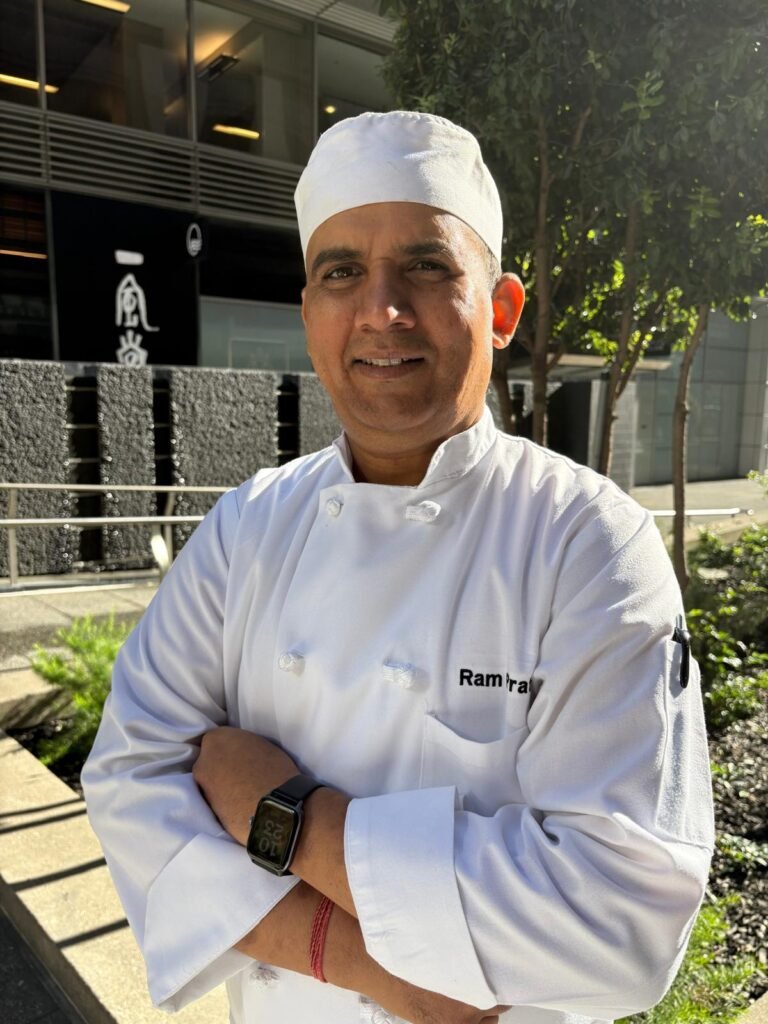
Chef Ram Pratap Singh Kushwah
Specialty Chef at Amber India, USA
For F&B businesses, storytelling on social media is about creating a sensory and emotional experience even before the guest visits the restaurant. A well-crafted story can transport viewers into the world of the brand—its flavors, culture, and philosophy. As chefs, we can use this medium to narrate the evolution of a dish, blending tradition with modern techniques.
Visual storytelling plays a crucial role. High-quality images and videos that capture textures, colors, and movement can make audiences almost “taste” the dish digitally. Pairing visuals with meaningful captions—sharing anecdotes, inspirations, or cultural significance—adds depth and authenticity.
Another effective strategy is to spotlight people. Featuring chefs, team members, and even local suppliers adds a human touch and builds trust. Customers are more likely to engage with brands that feel personal and transparent.
Seasonal storytelling is also impactful. Curating content around festivals, regional ingredients, or limited-time menus creates urgency and excitement, encouraging customers to visit.
Social media also allows for real-time engagement. Live cooking sessions, Q&As, and interactive stories create a two-way conversation, making customers feel involved.
In essence, storytelling helps F&B brands move beyond promotion to create meaningful connections, turning followers into loyal guests.
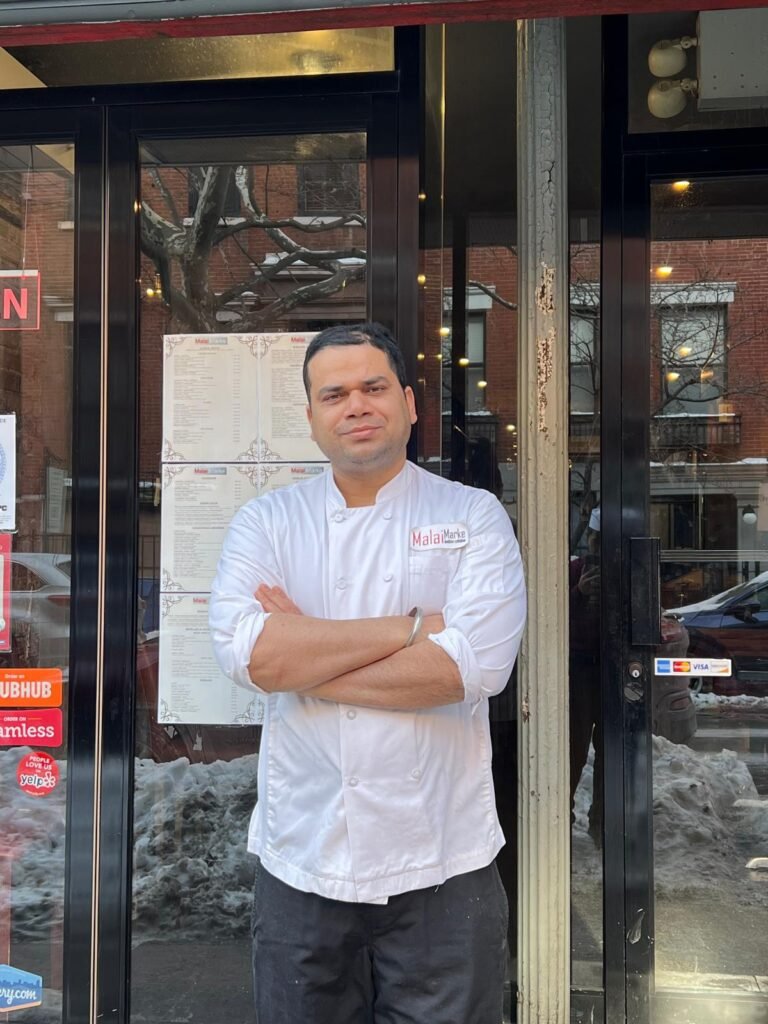
Chef Himanshu Joshi
Sous Chef at Malai Marke USA
In today’s digital-first world, storytelling on social media is essential for F&B businesses to differentiate themselves and build a strong brand identity. It’s no longer enough to post attractive food images—what truly resonates is the narrative behind the experience.
A compelling story can highlight the concept of the restaurant, the philosophy of the cuisine, and the passion of the team. For example, sharing the journey of how a signature dish was developed—from idea to execution—creates intrigue and engagement. It allows customers to feel part of the creative process.
Multi-sensory storytelling is particularly effective. Combining visuals, sound, and motion through reels and short videos can bring dishes to life. The sizzle of a pan, the final garnish, or the ambiance of the dining space can evoke strong emotional responses.
Consistency and authenticity are crucial. Audiences can easily identify content that feels forced. Genuine stories—whether about challenges, successes, or daily kitchen life—build credibility and trust.
Additionally, leveraging customer stories and reviews adds social proof. Encouraging guests to share their experiences and reposting them creates a sense of community and belonging.
Ultimately, storytelling on social media transforms F&B marketing into an engaging experience. It not only attracts new customers but also fosters loyalty by making them feel connected to the brand’s journey.
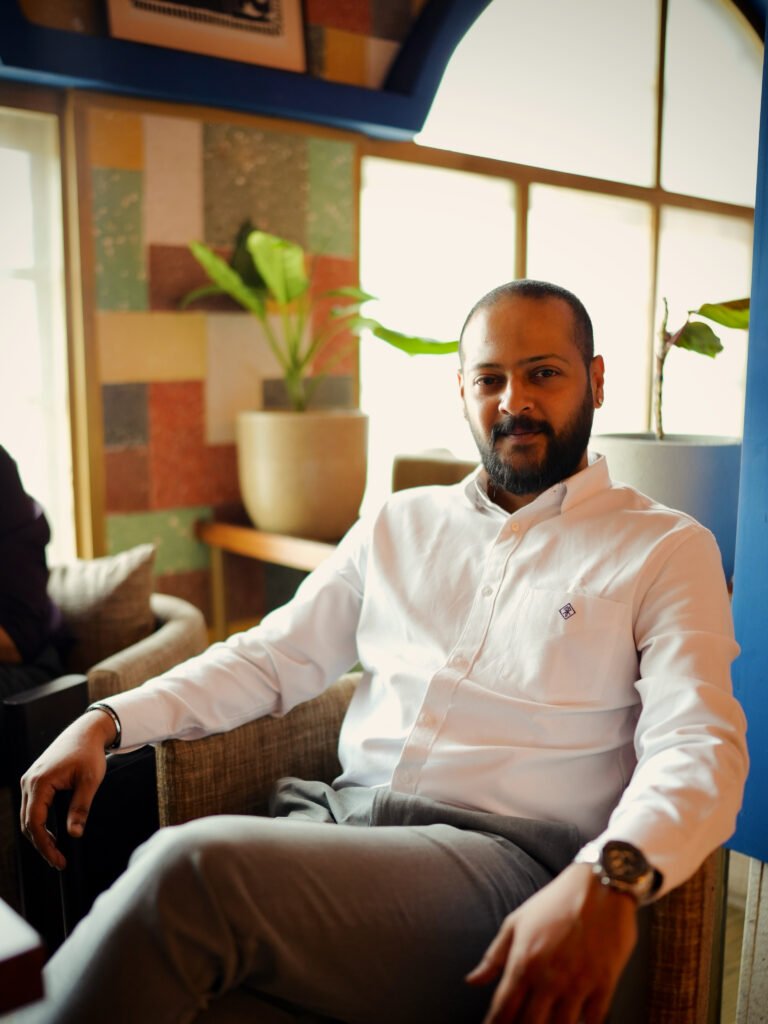
Ashwin Sasidharan
Head of Marketing & Brand Communication, Shilton Hospitality
1. How are hotels using social media content to inspire travelers before they even start planning a trip?
Social media isn’t just part of travel planning anymore it is the start. Hotels today aren’t waiting for intent, they’re manufacturing it. A well-shot reel of a sundowner, a chaotic but fun brunch, or that perfect pool shot doesn’t just “look nice”, it plants the idea of a trip before Google even enters the picture. If your content doesn’t make someone pause mid-scroll and think “I need to be there,” you’re already behind.
2. In what ways does social media influence last-minute travel decisions and hotel bookings?
Social media thrives on them. Flash offers, celebrity brunches, exclusive event with “invite only” open shoutouts, this is where impulse meets execution. A strong Instagram presence can convert a bored scroller into a customer. The key is urgency and visibility. If people see others having a great time right now, FOMO does the heavy lifting.
3. How can F&B businesses and restaurants use storytelling on social media to attract more customers?
For F&B, storytelling is the game. Nobody cares about “best food in town” anymore, everyone says that. But show the chaos of your kitchen, the personality of your bartenders, the drama behind a signature dish, that’s what pulls people in. Give your brand a voice, a face, a vibe. People don’t just buy food, they buy into a scene.
4. How do influencer collaborations affect brand visibility in the travel and hospitality industry?
When done right, they’re rocket fuel. Not the staged, overly polished stuff, but real, slightly messy, “this place is a vibe” content. The right creator can make your space feel aspirational and accessible at the same time. Surprisingly the environment is shifting to “real content“ creators with a smaller follower base. It’s genuine and that is gold.
5. How do reviews, comments, and ratings on social media platforms impact customer trust in travel services?
Brutal, honest, unavoidable. A few strong comments can build trust faster than any ad campaign. But the flip side? You can’t hide. Consistency becomes non-negotiable. It is a necessary evil or is it ?
6.How Social Media Inspires Your Next Vacation Choice?
At the end of the day, social media is today’s travel agent. With better visuals and zero patience. It doesn’t just inspire your next vacation, it decides it. Customers get locked in on an idea.