The Future of Hotel Design: Where Architecture Becomes Experience
Explore the future of hotel design where innovative architecture transforms guest experiences into unforgettable journeys. Discover the next wave of hospitality.

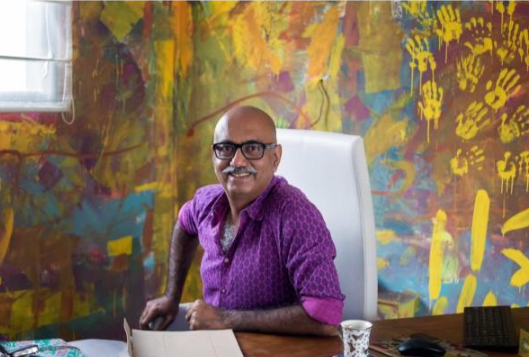
Rohit Sethi
Founder, Seclude Hotels
1. How is hotel design evolving from being purely aesthetic to becoming a core business and revenue strategy in hospitality today?
At Seclude, design was never an afterthought—it’s always been at the core of how we build experiences. One thing we’ve been very clear about is that no two rooms should ever feel the same. Each space draws from the history and context of where it sits, layered with elements like large windows opening into the landscape, swings, or slightly quirky themes that keep the experience playful.
At our tea estate in Palampur, for instance, rooms are themed around different teas—Earl Grey, Matcha, Butterfly Pea—with colours and interiors inspired by each. It adds a sense of discovery, giving guests a reason to explore more, extend their stay, and return for a completely different experience. We see it in the number of stay extensions and repeat visits; design quietly becomes the reason people return.
2. What role does experience-led architecture play in influencing guest behaviour, occupancy levels, and pricing power in your projects?
Experience-led architecture quietly shapes how guests behave within a space. At Seclude, we think of design as creating natural anchors—a window seat, a sit-out, a warm common area—places you find yourself returning to without planning to.
That shift from constant movement to pause changes everything. Guests spend more time within the property, engage more deeply, and are more likely to explore experiences like tea tastings, picnics, or stargazing.
From a business lens, this builds perceived value and reduces price sensitivity. Most rooms get booked once—great spaces get used repeatedly, and that’s what drives both occupancy and pricing power.
3. How are sustainability principles and local cultural elements being integrated into modern hotel design?
Sustainability and cultural context today aren’t optional—they’re expected. The eco-conscious traveller is actively seeking spaces that feel thoughtful and rooted.
At Seclude, both are built into the design process from the start. We work with the land, not against it. We work with what exists—restoring rather than rebuilding, like our 150+ year-old heritage home in Shimla, and designing around natural elements, like the Red Cedar cottage in Palampur where a tree continues to grow through the space.
Cultural integration comes through context, not theme—local materials, craftsmanship, and architectural cues that belong to the landscape. When done right, these choices don’t stand out—they quietly make the experience more honest, grounded, and memorable.
Jaideep Ahuja
Managing Director & CEO, Ahuja Residences
1. How is hotel design evolving into a core revenue strategy?
Design has shifted from “the look” to “the feel.” At Ahuja Residences, we view every square foot through a lens of human intuition. We aren’t just designing lobbies; we are designing hubs of connection. When a space feels warm and intuitive, guests naturally linger, whether for a morning coffee or a collaborative work session. This “dwell time” isn’t just a metric anymore but, it’s a reflection of guest comfort that drives our F&B and day use revenue. By designing for the human spirit first, profitability follows as a natural byproduct.
2. What role does experience-led architecture play in occupancy and pricing power?
In hospitality, we sell comfort and emotional ease. Drawing from the Service-Profit Chain philosophy, I have seen how architecture acts as a silent host, shaping guest experience even before service begins. Biophilic design through natural light, ventilation, and calming spaces can reduce guest fatigue and encourage longer, more enjoyable stays.
Architecture also helps us move from commodity pricing to experience pricing by creating spaces tailored to specific guest segments. When design addresses cultural preferences, functionality, and lifestyle needs, the product becomes more differentiated and valuable. This supports stronger occupancy, repeat stays, and greater pricing power over standard market offerings.
3. How are sustainability and local culture creating future-ready spaces?
As a 44-year-old legacy brand, we know that being future-ready means being responsible. At our AIR property in Gurugram, we treat Indoor Air Quality (IAQ) as a luxury asset rather than a utility. We pair this with hyper-localism by incorporating regional materials, local craftsmanship, thoughtful landscaping, and design details that create a stronger sense of place. By combining smart HVAC systems with modern human-centric design, we create meaningful spaces that feel like a home, not a transaction. We are building environments that are as kind to the planet as they are to the person staying in them.
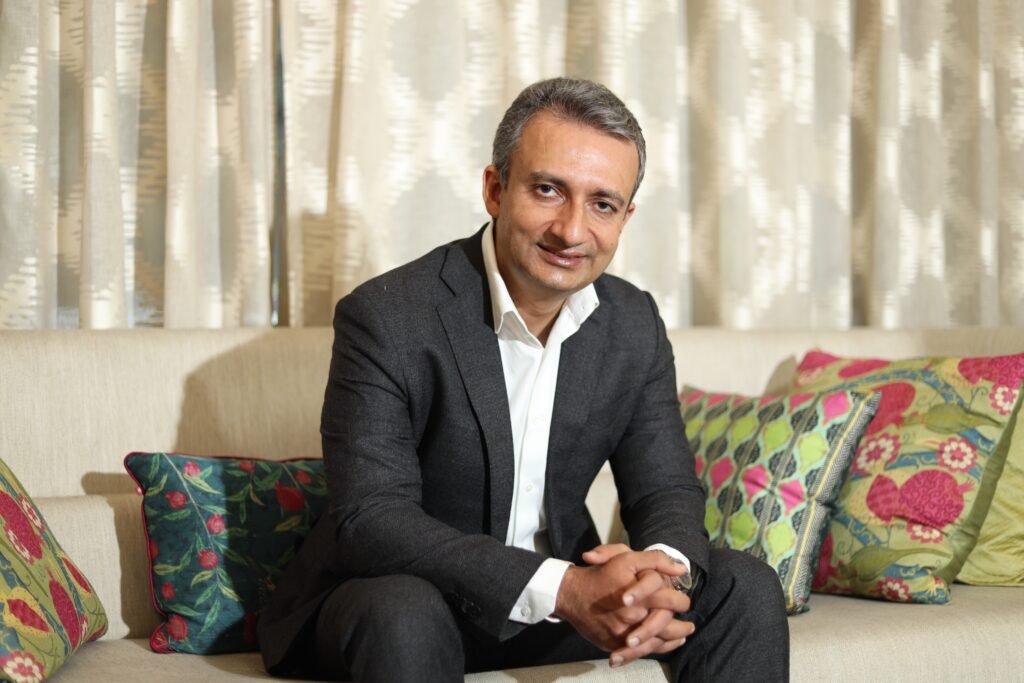

Suhail Kannampilly
Managing Director, The Fern Hotels & Resorts
1. How is hotel design evolving from being purely aesthetic to becoming a core business and revenue strategy in hospitality today?
Hotel design today has moved beyond visual appeal to become a strategic lever that directly influences revenue performance and brand positioning. Thoughtfully designed spaces can optimise guest flow, enhance utilisation of public areas and create multiple revenue touchpoints across F&B, events and wellness. At The Fern Hotels and Resorts, we view design as a business enabler that aligns aesthetics with functionality and sustainability, ensuring that each element contributes meaningfully to operational efficiency and revenue outcomes. Design also plays a critical role in shaping guest perception which impacts pricing power and repeat business. Increasingly, hotels are integrating flexibility into layouts so that spaces can adapt to evolving demand patterns and maximise long term asset value.
2. What role does experience-led architecture play in influencing guest behaviour, occupancy levels, and pricing power in your projects?
Experience-led architecture has a profound impact on how guests interact with a property and how they perceive value. Spaces that are intuitive, immersive and emotionally engaging encourage guests to spend more time within the hotel which in turn drives higher consumption across various touchpoints. Well-designed environments also influence booking decisions, especially among travellers who prioritise unique and memorable stays. This directly supports stronger occupancy and enables better rate realisation. At The Fern Hotels and Resorts, we focus on creating spaces that reflect local context while delivering comfort and functionality. When architecture enhances experience in a meaningful way, it strengthens brand differentiation and allows hotels to command a premium in a competitive market.
3. How are sustainability principles and local cultural elements being integrated into modern hotel design to create more meaningful and future-ready hospitality spaces?
Sustainability and cultural relevance are now central to contemporary hotel design as guests increasingly seek authenticity and responsible practices. At The Fern Hotels and Resorts, we integrate sustainability and local identity at every stage of design, ensuring that environmental responsibility and cultural storytelling are embedded into the guest experience. Modern hospitality spaces are being developed with a focus on energy efficiency, water conservation and use of environmentally responsible materials. At the same time there is a strong emphasis on incorporating local architectural styles, regional materials and cultural narratives to create a sense of place. This approach enhances distinctiveness while ensuring that hotels remain future ready and aligned with evolving guest expectations.
Binny Choudhary
MD, Noormahal Delhi NCR
“Within the hospitality industry, design has become a central driver of business performance and brand identity. Modern hotels are moving beyond aesthetics to curate environments that tell a story, create emotional resonance, and shape the entire guest journey. This shift transforms properties into compelling destinations in their own right, attracting experience-driven travellers and enabling hotels to achieve higher room rates and strong occupancy. Design is now leveraged to differentiate brands in a saturated market, build guest loyalty, and unlock new revenue streams through bespoke experiences and immersive spaces.
Building on this evolution, experience-led architecture is redefining how hotels connect with guests and capture market share. By integrating elements such as heritage-inspired motifs, layered materials, and interactive guest touchpoints, like personalised portrait sessions or curated culinary journeys, hotels can drive deeper engagement and create lasting memories. These thoughtfully designed experiences not only inspire positive reviews and social sharing but also encourage longer stays and repeat visits. The result is a tangible impact on revenue, empowering properties to command premium pricing and maintain robust occupancy levels by offering something truly distinct and memorable.
Equally important to this transformation is the growing emphasis on sustainability and cultural authenticity as foundational pillars of modern hotel design. Industry leaders are adopting energy-efficient systems, sourcing materials locally, and collaborating with regional artisans to reduce environmental impact while celebrating the unique heritage of each location. Architectural references to local history, such as Mughal, Rajput, Punjabi, and Persian influences, infuse spaces with a genuine sense of place, while eco-friendly practices ensure operational resilience. Taken together, this integrated approach not only meets the growing expectations of environmentally and culturally conscious travellers but also positions hotels for long-term relevance and success in a rapidly evolving market.”

Dhimant Bakshi
CEO, Imagicaaworld Entertainment Limited
1. How is hotel design evolving from being purely aesthetic to becoming a core business and revenue strategy in hospitality today?
We have always seen that hotel architecture focusing on comfort, efficiency, and visual identity. While these are important, they are no longer sufficient. In the current times, design is all about business outcomes. The way a space is imagined and executed influences how long guests stay, how much they spend, and whether they choose to return. Imagicaa’s approach to design is rooted in storytelling. Every space whether it is a themed room, a dining area, or a leisure zone is built to extend the narrative of the destination. This shift from “place to stay” to “place to experience” has significantly changed guest expectations. Families today are choosing destinations that promise discovery, and shared moments.
2. What role does experience-led architecture play in influencing guest behaviour, occupancy levels, and pricing power in your projects?
Experience-led architecture goes beyond layout and décor. It focuses on how a guest moves through a space, what they feel at each touchpoint, and how seamlessly different elements connect to create a memorable journey.
In our projects, we have seen how immersive environments directly influence guest behaviour. When spaces are thoughtfully designed to be interactive and visually engaging, guests naturally spend more time exploring them. Themed environments and character-driven experiences create emotional connections, especially for families. These connections are powerful and they transform a visit into a memory. And memories, in turn, drive repeat visits and word-of-mouth recommendations. Architecture, therefore, becomes a silent storyteller.
3. How are sustainability principles and local cultural elements being integrated into modern hotel design to create more meaningful and future-ready hospitality spaces?
As the hospitality industry evolves, there is a growing emphasis on creating spaces that are not just engaging but also responsible and contextually relevant. Sustainability and local cultural integration are no longer optional but essential components of future-ready design. At Imagicaa, we recognise that meaningful experiences are often rooted in authenticity. Incorporating local cultural elements into design helps create a sense of place. It allows guests to connect with the destination beyond its entertainment value. Sustainability, on the other hand, is shaping how we think about long-term impact. Efficient use of resources, environmentally conscious materials, and designs that minimise ecological footprint are becoming integral to modern hospitality projects. Importantly, these practices also resonate with today’s travellers, who are increasingly mindful of the choices they make.
Ajay Gupta
Principal Consultant & Founder, Perceptive Ideas Consulting Engineers Pvt. Ltd.
1. How is hotel design evolving from being purely aesthetic to becoming a core business and revenue strategy in hospitality today?
Hotel design today has evolved far beyond aesthetics—it is now a strategic business tool that directly influences revenue generation, brand positioning, and long-term asset value. Developers and operators increasingly recognize that the structural planning and architectural layout of a hotel determine operational efficiency, guest flow, and the ability to monetize spaces effectively. Elements such as flexible banquet areas, optimized room layouts, and multi-use public spaces are being designed to maximize revenue per square foot. The integration of structural systems that allow large column-free spaces, adaptive reuse, and future scalability ensures that hotels remain commercially viable in a dynamic market.
2. What role does experience-led architecture play in influencing guest behaviour, occupancy levels, and pricing power in your projects?
Experience-led structural architecture plays a pivotal role in shaping guest behaviour and, consequently, occupancy and pricing power. The spatial experience—from arrival sequences and lobby volumes to room orientation and views—is carefully engineered to create a lasting impression. Thoughtfully designed structures that frame natural landscapes, incorporate open terraces, or provide seamless indoor-outdoor transitions enhance guest engagement and dwell time. This directly impacts customer satisfaction, repeat visits, and the ability to command premium pricing. In high-end hospitality projects, the structure itself becomes a storytelling medium, guiding movement and curating experiences rather than merely supporting built form.
3. How are sustainability principles and local cultural elements being integrated into modern hotel design to create more meaningful and future-ready hospitality spaces?
Sustainability and cultural integration are now central to future-ready hotel design. Structurally, this translates into the use of locally sourced materials, climate-responsive design strategies, and systems that reduce energy and water consumption. Passive design elements such as shaded courtyards, thermal massing, and natural ventilation—often inspired by regional architecture—are being reinterpreted using modern engineering techniques. At the same time, incorporating local craftsmanship and contextual design elements helps create a strong sense of place, making the property more distinctive and meaningful for guests.
Ultimately, the future of hotel design lies in the seamless integration of engineering, architecture, and business strategy. By aligning structural innovation with guest experience and sustainability goals, hospitality projects can achieve not only operational efficiency but also stronger market differentiation and long-term profitability.
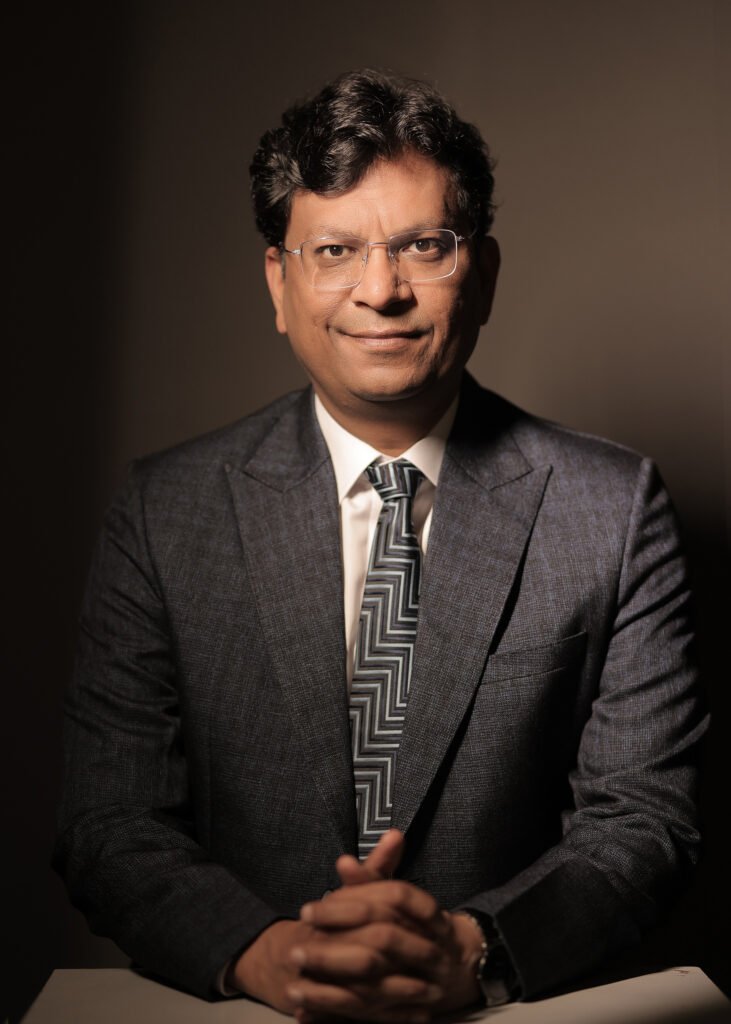

Nirupam Sahay
Chief Executive Officer, Hindware Limited
1. How is hotel design evolving from being purely aesthetic to becoming a core business and revenue strategy in hospitality today?
Hotel design has always played an important role in hospitality—guests have long associated a well-designed space with comfort, aspiration, and the overall brand experience. However, what we are seeing now is a clear shift in how design is being viewed. Post-COVID, there has been a heightened focus on hygiene, space planning, and touchless or easy-to-maintain solutions, which has made design far more functional and purposeful. At the same time, guest expectations have evolved. People are looking for spaces that are not just visually appealing, but also immersive, comfortable, and reflective of a certain lifestyle.
As a result, design today is no longer just about aesthetics; it is directly linked to business outcomes. Hotels are using design to differentiate themselves, enhance guest satisfaction, drive repeat stays, and even influence pricing power. Elements like wellness-led bathrooms, smart layouts, and durable, high-quality materials are becoming integral to the overall experience. In that sense, design has moved from being a supporting element to a core part of a hotel’s revenue and brand strategy.
2. What role does experience-led architecture play in influencing guest behaviour, occupancy levels, and pricing power in projects?
Experience-led architecture has always influenced how guests perceive and interact with a hotel, but its role today is far more pronounced and measurable. In a crowded market, especially with the rise of boutique and design-led hotels, the built environment has become a key differentiator. Guests are no longer just booking a room—they are choosing an experience, and architecture plays a central role in shaping that first impression and the overall stay.
With increasing space constraints, particularly in urban locations, brands are being pushed to think more creatively about layouts, flow, and functionality. This has led to smarter use of space, more intuitive design, and environments that feel both efficient and immersive. At the same time, larger hospitality brands are investing in distinctive architectural identities to create recall and consistency across properties, while still allowing for local context and storytelling.
3. How are sustainability principles and local cultural elements being integrated into modern hotel design to create more meaningful and future-ready hospitality spaces?
Both consumers and hospitality brands today are far more environmentally conscious than they were a few years ago, and that shift is clearly reflecting in hotel design. Elements that were once overlooked—like reducing single-use plastics or something as simple as replacing plastic with glass water bottles—are now becoming standard practice across leading hotel chains. Sustainability is no longer an add-on; it is being built into the design and planning stage itself, from water-efficient fixtures and energy-saving systems to materials that are durable, responsible, and easier to maintain over time.
At the same time, there is a growing emphasis on incorporating local cultural elements to create more meaningful and authentic guest experiences. Hotels are moving away from a one-size-fits-all approach and instead drawing inspiration from regional architecture, materials, and craftsmanship. This not only helps create a stronger sense of place but also resonates more deeply with guests who are looking for immersive, locally rooted experiences.
Amit Sangwan
Cluster General Manager, Novotel Goa Candolim, Novotel Goa Resort and Spa
1. How is hotel design evolving from being purely aesthetic to becoming a core business and revenue strategy in hospitality today?
Hotel design today is approached as a long-term business decision rather than a visual exercise. Core spaces such as guest rooms are not frequently changed, which makes it important to get the fundamentals right—from layout and material selection to how efficiently the space can be operated over time.
At Novotel Goa Resort & Spa, the focus has been on creating rooms that are simple, functional, and consistent in delivery. This includes layouts that support ease of use, materials that age well, and finishes that do not require constant upkeep.
This approach ensures that the design continues to perform over time—supporting operational efficiency, maintaining guest satisfaction, and contributing to stable revenue without the need for frequent intervention.
2. What role does experience-led architecture play in influencing guest behaviour, occupancy levels, and pricing power in your projects?
Experience-led architecture determines how a guest uses the hotel beyond the room. At Novotel Goa Resort and Spa, spaces are designed to be easy to understand and move through, allowing guests to naturally transition between different areas of the property.
This clarity in planning reduces friction—guests do not have to “figure out” the space, they simply use it. This aligns with Novotel’s focus on balance, where work, leisure, and downtime coexist within the same environment.
When guests are comfortable navigating and using the hotel, their overall experience improves. This leads to stronger recall, higher perceived value, and supports both occupancy and rate positioning in a more sustained manner.
3. How are sustainability principles and local cultural elements being integrated into modern hotel design to create more meaningful and future-ready hospitality spaces?
Sustainability is addressed through context and climate. At Novotel Goa Resort and Spa, we are nestled within paddy fields and existing greenery, and the design has been developed to sit within this landscape rather than alter it.
Open corridors and natural ventilation respond to the local environment, while reducing dependence on enclosed, energy-intensive spaces. Within the interiors, elements such as rattan work are used selectively, reflecting local craftsmanship without over-designing the space.
Material and furniture choices are also guided by coastal conditions, ensuring durability against humidity and sea-salt exposure.
The result is a design that is specific to its location, practical in its execution, and able to sustain itself over time.
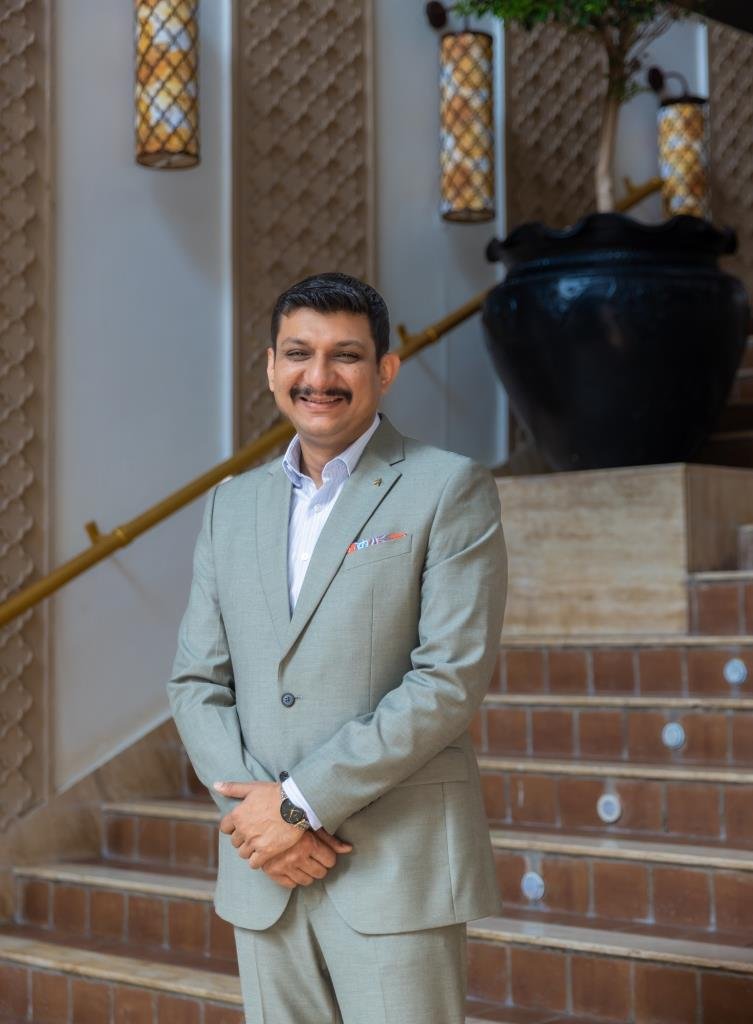
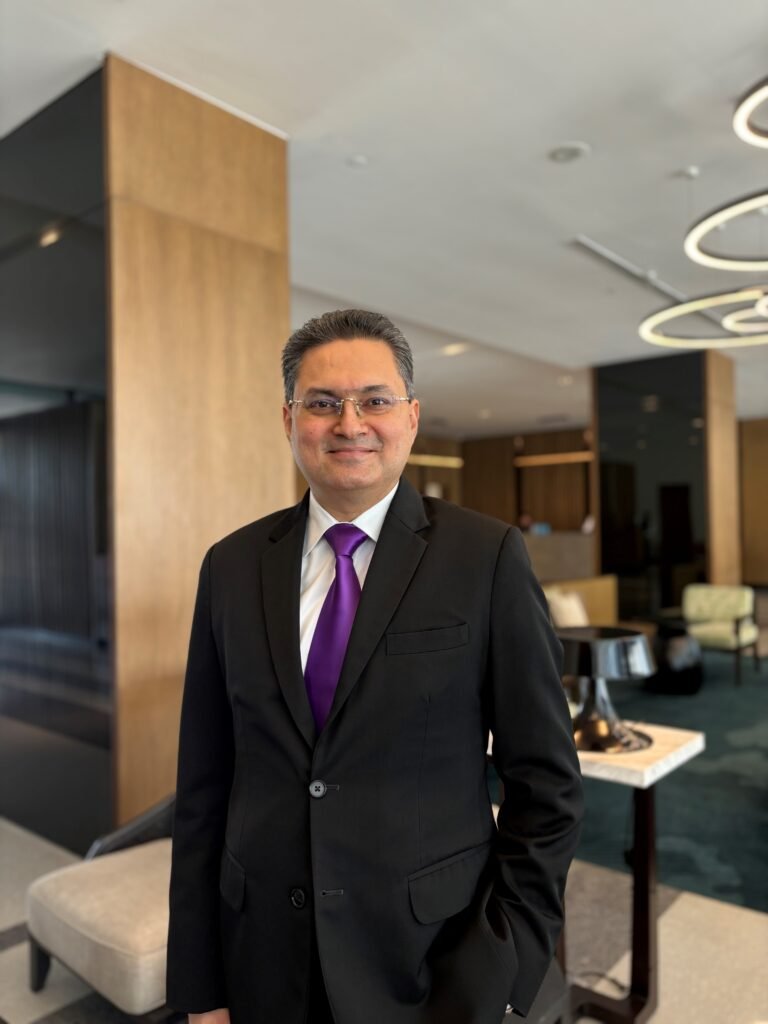
Sujeet Kumar
Cluster General Manager Brand- Hilton and Hilton Garden Inn Bengaluru Embassy Manyata Business Park
At Hilton Bengaluru Embassy Manyata Business Park and Hilton Garden Inn Bengaluru Embassy Manyata Business Park, hotel design has evolved from being a visual differentiator to becoming a core business strategy, one that directly influences revenue, guest engagement, and market positioning.
1. Design as a Business & Revenue Strategy
In today’s hospitality landscape, design decisions are deeply commercial. Our dual-branded complex, one of the largest in South India with over 619 keys and expansive social and convention spaces has been intentionally planned to drive multi-segment demand.
The design enables simultaneous servicing of corporate stays, large-scale conferences, and social events without friction. Spaces are not static; they are engineered for flexibility and utilization. This directly improves revenue per square foot, unlocks higher F&B consumption, and reduces dependency on just room revenue.
2. Experience-Led Architecture & Its Impact
Experience-led architecture is at the heart of how modern hotels influence guest behavior. At our property within Manyata Embassy Business Park, the design is built around movement, flow, and interaction.
Guests don’t just occupy a room, they move through a curated journey. From arrival experiences to connected public spaces, from meeting environments that transition into social settings, to leisure zones that encourage unwinding, every touchpoint is designed to extend engagement.
This directly impacts business outcomes: longer dwell times, higher on-property spend, and the ability to command premium pricing because the hotel delivers an experience, not just accommodation.
3. Sustainability & Local Integration in Modern Design
Sustainability today is less about standalone initiatives and more about embedded design thinking. The focus is on efficiency, longevity, and relevance. Using materials, layouts, and systems that reduce environmental impact while maintaining global brand standards.
Equally important is contextual design. In a city like Bengaluru, where business travel dominates, spaces are designed to reflect the rhythm of the modern professional, functional yet warm, global yet locally intuitive. This balance ensures the hotel remains relevant to both international and domestic travelers, creating a sense of place without compromising on efficiency.
Paola Caciolli
General Manager, Conrad Kuala Lumpur
Looking forward, the most impactful hotel designs will be those that create meaningful connections—between people, place, and purpose. When architecture becomes experience, a hotel evolves into something far more memorable: a destination in its own right.
Hotel design is no longer defined solely by aesthetics—it is increasingly about shaping how guests feel, interact, and connect with a space. As expectations evolve, architecture is becoming a key driver of experience, transforming hotels into immersive environments rather than just places to stay. At Conrad Kuala Lumpur, this shift reflects a broader rethinking of hospitality.
Today’s travellers are looking for more than visual appeal—they want a genuine sense of place and emotional connection. Design plays a crucial role in delivering that, from the moment a guest arrives to how each space is experienced.
This new approach prioritises local storytelling and cultural authenticity. Materials, textures, and spatial concepts are increasingly inspired by the destination itself, allowing guests to engage with a location on a deeper level. Rather than imposing a universal design language, hotels are embracing elements that reflect their surroundings—creating spaces that feel both contemporary and contextually grounded.
Design should not feel imposed; it should feel discovered. Every detail, from materials to layout, needs to resonate with the destination and create a natural connection between the guest and the environment.
At the same time, functionality and wellbeing are becoming central to design thinking. Open, fluid layouts encourage interaction and exploration, while quieter, more intimate areas provide moments of retreat. Natural light, greenery, and thoughtful spatial planning contribute to a sense of balance, subtly shaping how guests experience their stay.
Sustainability is also no longer an afterthought. It must be embedded into the design process—from energy efficiency to responsible sourcing—to ensure that hotels enhance both the guest experience and their surrounding communities.

Vijay Chandran
General Manager THE WESTIN PUSHKAR RESORT & SPA
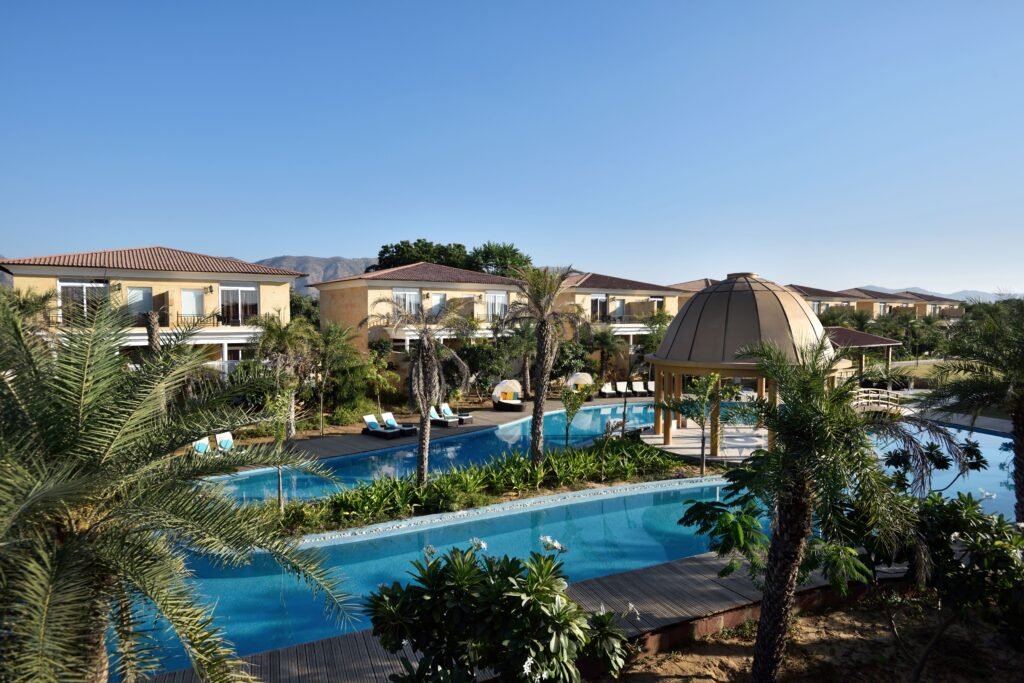
At The Westin Pushkar Resort & Spa, design is not merely about aesthetics—it is the foundation of the guest experience and a key driver of the resort’s luxury positioning. Nestled amidst the tranquil Aravalli landscape and surrounded by the spiritual essence of Pushkar, the resort has been envisioned as a destination where architecture, wellness, and nature work together to create memorable stays. The expansive villas, private terraces, lush gardens, serene water bodies, and open courtyards are carefully designed to offer privacy, exclusivity, and a deep sense of calm—qualities that define luxury hospitality today.
Experience-led architecture plays a direct role in influencing guest behavior, occupancy, and pricing power. Guests today are not simply booking rooms; they are choosing destinations that offer emotional connection and immersive experiences. At Westin Pushkar, the grand arrival experience, peaceful pathways, wellness-focused spaces, and destination dining venues are designed to encourage guests to slow down, stay longer, and engage more deeply with the property. The seamless flow between indoor comfort and outdoor natural beauty enhances guest satisfaction and creates strong repeat visitation. This experiential design allows the resort to command premium pricing, as guests are willing to invest more in meaningful luxury that feels both personal and authentic.
Sustainability and cultural storytelling are equally important in shaping the resort’s identity. The use of natural light, water-sensitive landscaping, energy-efficient systems, and locally inspired materials ensures responsible luxury without compromising comfort. Rajasthani architecture, regional craftsmanship, and curated cultural experiences reflect the soul of the destination, allowing guests to connect with Pushkar beyond the stay itself. This integration of sustainability, heritage, and wellness creates a future-ready hospitality model where architecture becomes an experience. At Westin Pushkar, luxury is not just seen—it is felt through every space, every view, and every moment of the guest journey.
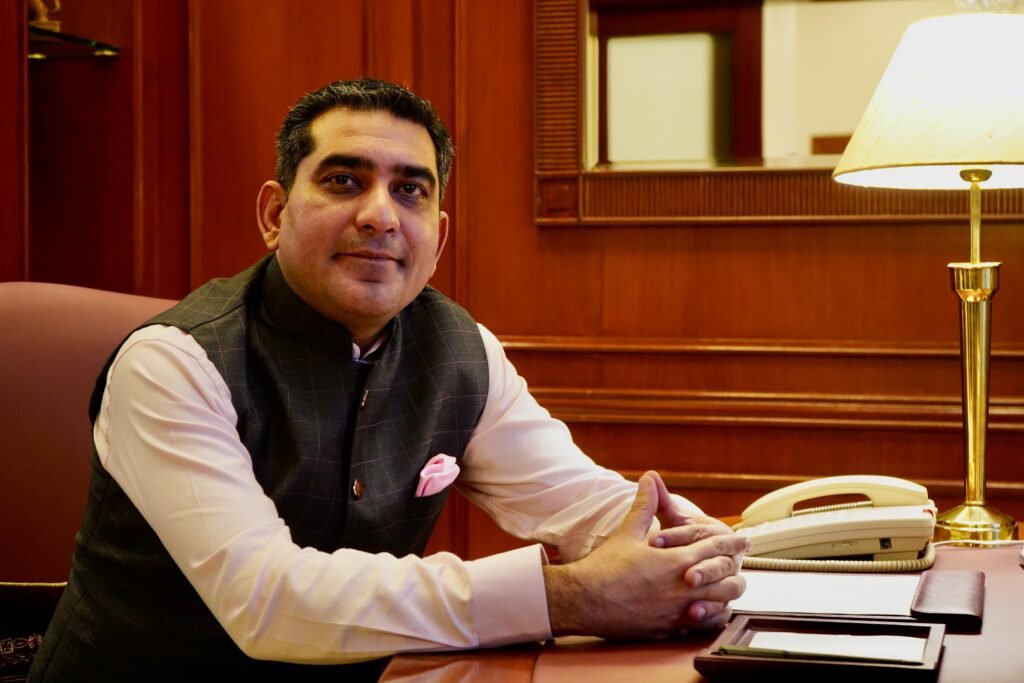
Mayank Mittal
General Manager, Pilibhit House, Haridwar – IHCL SeleQtions
1. From Aesthetics to Strategy: Design as a Business Enabler
Hotel design today has evolved from being a visual differentiator to becoming a strategic lever that directly influences guest choice, dwell time, and commercial performance. At Pilibhit House, design is not ornamental—it is intentional. Every spatial decision is rooted in how guests move, pause, engage, and emotionally connect with the property.
In a market where travellers seek authenticity and meaning, design has become part of the value proposition. Spaces are curated to encourage slower, more immersive stays—whether through heritage courtyards that foster quiet reflection or intimate public areas that facilitate meaningful social interaction. This experiential depth directly supports higher dwell value, ancillary spend, and repeat visitation, making architecture an active contributor to revenue rather than a passive backdrop.
2. Experience-Led Architecture and Its Impact on Guest Behaviour & Pricing
Experience-led architecture plays a pivotal role in shaping guest behaviour—how they feel, how long they stay, and what they are willing to pay for. At Pilibhit House, guests do not merely occupy rooms; they inhabit a story. The architectural narrative—rooted in a restored 19th-century haveli—creates a strong emotional anchor that enhances perceived value.
This sense of place drives intent-led travel rather than price-led bookings, enabling stronger pricing power and sustained occupancy, especially among culturally attuned and experiential travellers. Guests are more inclined to explore the property, engage with curated experiences, and extend their stay because the architecture actively invites participation. When design resonates emotionally, it strengthens brand recall and deepens loyalty—outcomes that are as commercial as they are experiential.
3. Sustainability, Culture, and Future-Ready Hospitality Design
Future-ready hotel design must be both culturally grounded and environmentally conscious. At Pilibhit House, sustainability is embedded through adaptive reuse, local craftsmanship, and a deep respect for the site’s historical context. The preservation of original architectural elements, use of indigenous materials, and employment of local artisans ensure that the property remains authentic while minimizing environmental impact.
Equally important is cultural continuity. Design here serves as a bridge between the past and the present—celebrating regional narratives while remaining relevant to modern travellers. This integration creates spaces that feel meaningful rather than manufactured, timeless rather than trend-driven. As hospitality moves forward, such culturally immersive and sustainable design approaches will not only future-proof assets but also reinforce hospitality’s role as a custodian of heritage and community.

Kunal Pahwa
General Manager, ITC Grand Central, Mumbai
1. How is hotel design evolving from being purely aesthetic to becoming a core business and revenue strategy in hospitality today?
Hotel design today is intrinsically linked to business performance. It has moved beyond visual appeal to become a strategic tool that shapes how guests experience, navigate, and spend within a property. At ITC Grand Central, Mumbai. spatial planning, such as the distinction between the ‘Peace Zone’ for business travellers and the ‘Celebration Zone’ for social and F&B experiences, enables us to cater to varied guest cohorts with precision. This segmentation enhances utilisation across dayparts, drives higher spend per guest, and allows us to create differentiated offerings that strengthen both occupancy and revenue streams.
2. What role does experience-led architecture play in influencing guest behaviour, occupancy levels, and pricing power in your projects?
Experience-led architecture plays a pivotal role in influencing how guests interact with the hotel. Spaces like the Millsquare courtyard or the rooftop ‘Point of View’ lounge at ITC Grand Central, Mumbai, are designed to be immersive and memorable, encouraging guests to linger, engage, and explore multiple touchpoints within the property. This not only increases dwell time and F&B consumption but also strengthens emotional connection and brand recall. Distinctive design experiences also allow us to command a premium, as guests today are willing to pay more for spaces that offer a sense of exclusivity, storytelling, and personalisation.
3. How are sustainability principles and local cultural elements being integrated into modern hotel design to create more meaningful and future-ready hospitality spaces?
Sustainability and cultural authenticity are central to modern hotel design. At ITC Grand Central, Mumbai, we draw inspiration from Mumbai’s colonial heritage while integrating contemporary design sensibilities, creating a space that feels rooted yet relevant. At the same time, initiatives such as Sunya Aqua, our zero-mile water programme, reflect how sustainability can be seamlessly embedded into the guest experience. From LEED Zero Carbon certification and in-house water recycling to eliminating single-use plastics, every design and operational choice is aligned with our Responsible Luxury philosophy. This integrated approach ensures that our spaces are not only environmentally conscious but also culturally resonant and future-ready.
Kadambari Sabharwal Talwar
General Manager, Courtyard by Marriott Bengaluru Hebbal
1. How is hotel design evolving from being purely aesthetic to becoming a core business and revenue strategy in hospitality today?
The rise of social spaces within hotels, lobbies, lounges and F&B venues are being reimagined as fluid zones where guests can work, network or unwind. These spaces act as informal extensions of meeting rooms, encouraging collaboration and engagement. Hotel design today is a revenue enabler. Spaces are no longer static; they are multi-functional and optimized for higher utilization. Lobbies, dining areas and outdoor spaces are designed to serve multiple guest needs across the day, increasing engagement and spend. Design also strengthens brand positioning, allowing hotels to command premium pricing through elevated guest perception.
2. What role does experience-led architecture play in influencing guest behaviour, occupancy levels and pricing power in your projects?
At the heart of this shift is intentional flexibility. Hotels are no longer designing static spaces. They are creating adaptive environments that seamlessly transition into flexible event spaces that have become fundamental. Ballrooms and meeting rooms today are modular with movable partitions, dynamic lighting and adaptable layouts that allow a board meeting in the morning to transform into a social soiree by evening. Experience-led architecture shapes how guests interact with a hotel. Intuitive layouts encourage movement across spaces, driving higher engagement with F&B and leisure offerings. This enhances overall satisfaction, improves occupancy and builds repeat preference. When guests associate the hotel with memorable experiences, price sensitivity reduces, enabling stronger rate positioning.
3. How are sustainability principles and local cultural elements being integrated into modern hotel design to create more meaningful and future-ready hospitality spaces?
The evolving corporate lifestyle expectation is driving this transformation. Today’s business traveler is not looking at a hotel as just a place to stay or meet, but as a holistic ecosystem, that supports productivity, wellness and leisure in equal measure. Hotels are moving from being venue providers to experience curators, aligning with the dynamic rhythm of cities like Bengaluru.
Modern hotel design integrates sustainability through energy efficiency, natural lighting and responsible materials, improving both operations and guest comfort. Simultaneously, local
cultural elements such as regional art and design cues create authenticity. This combination results in spaces that feel meaningful, responsible and aligned with the expectations of today’s conscious traveler.
Ashish Saxena
General Manager Radisson Hotel Delhi MG Road
In the modern hospitality landscape, hotel design has undergone a fundamental shift. No longer just a matter of “look and feel,” architecture has evolved from a purely aesthetic pursuit into a core business and revenue strategy. Today, every square foot is engineered to perform, turning passive spaces into active profit centres.
Design as a Revenue Engine
The transition from “pretty rooms” to “strategic spaces” is driven by the realization that design directly dictates the bottom line. By optimizing lobbies for co-working, creating Instagramable focal points that drive organic marketing, and designing flexible F&B outlets, hotels can maximize yield per square meter. Architecture is now the silent salesperson, justifying premium rates through the promise of a superior environment.
Experience-Led Architecture
Experience-led architecture is the bridge between a guest’s arrival and their loyalty. In my recent projects, we prioritize “spatial storytelling”—designing journeys that influence guest behaviour. Whether it is a strategically placed open-concept bar that encourages social spending or lighting schemes that enhance well-being, these elements directly impact occupancy levels. When a guest feels a space was “built for them,” the hotel gains significant pricing power, allowing it to command a luxury premium based on the emotional value of the stay rather than just the bed.
Sustainability and Cultural Context
To be future-ready, modern design must be both ecologically conscious and culturally rooted. We are moving beyond “greenwashing” to integrate biophilic design and passive cooling systems that reduce operational costs while increasing guest comfort. Simultaneously, we weave local cultural elements—artisanal textures, regional materials, and vernacular geometry—into the structural DNA. This “Glocal” approach ensures that a hotel isn’t just a building, but a meaningful destination that respects its environment.
The future of hospitality lies in this synergy. When architecture transcends the physical to become an experience, it creates a resilient, high-performing asset that stands the test of time.
Gurnoor Bindra
General Manager, Raffles Udaipur
1. How is hotel design evolving from being purely aesthetic to becoming a core business and revenue strategy in hospitality today?
At Raffles Udaipur, design is planned to shape how a guest experiences the island and how they spend their time within it.
Set across 21 acres on Udai Sagar Lake, with nearly 20 acres dedicated to gardens and landscaped lawns, the layout encourages movement, exploration, and time spent outdoors. The built space, intentionally limited to about one acre, brings together Rajputana and classical European influences, creating a strong sense of place within a larger natural setting.
The guest journey unfolds gradually, from arrival by boat to discovering different parts of the island. This flow naturally leads guests to engage with multiple experiences across the property.
Signature venues such as the Writer’s Bar and the Long Bar reflect the legacy of Raffles globally, while being interpreted through a design language that blends European detailing with Indian craftsmanship. This strengthens both brand connection and destination relevance.
When design is structured in this way, it directly supports revenue. Guests move beyond their rooms, spend more time across dining and wellness spaces, and experience more of what the hotel offers. This increases both length of stay and overall engagement, while building a stronger connection with the destination.
2. What role does experience-led architecture play in influencing guest behaviour, occupancy levels, and pricing power in your projects?
Experience-led architecture shapes how guests move, pause, and engage with the hotel.
At Raffles Udaipur, the island layout allows the experience to unfold across a series of settings. Guests move through gardens, pathways, and indoor spaces that each offer a different perspective of the lake and landscape. This encourages a more relaxed pace and a deeper engagement with the surroundings.
The expansive gardens and open spaces create a strong sense of comfort and personal space. Guests can choose how they spend their time, whether exploring the island or enjoying quieter moments within it.
The gardens themselves are maintained by members of the local community from nearby villages. This adds a layer of authenticity and care that guests often recognise and appreciate as part of their experience.
As guests spend more time across the property, they engage more with its offerings. This leads to longer stays, stronger recall, and a greater likelihood of return. In this way, architecture quietly supports both guest satisfaction and overall performance.
3. How are sustainability principles and local cultural elements being integrated into modern hotel design to create more meaningful and future-ready hospitality spaces?
At Raffles Udaipur, sustainability begins with how the land is used and cared for.
With nearly 20 acres dedicated to gardens and lawns, the focus is on preserving and nurturing the natural environment while allowing guests to experience it closely. The design ensures that nature remains central to the stay, through open spaces, natural light, and a strong connection to the outdoors.
An important part of this approach is the involvement of the local community in maintaining the landscape. This supports livelihoods in nearby villages while ensuring that the care of the gardens is rooted in local knowledge and practice.
Cultural elements are reflected through materials, craftsmanship, and design details across the property, interpreted in a way that feels refined and relevant.
The result is a space that feels grounded and well cared for. Guests experience not only the beauty of the surroundings, but also a deeper sense of connection to the place and the people behind it.

Mehardeep Singh
General Manager – Corporate Affairs, Rubystone Hospitality.
1. How is hotel design evolving from being purely aesthetic to becoming a core business and revenue strategy in hospitality today?
Designing hotels goes beyond simply developing a pleasing appearance; it is now used as an effective means of increasing revenue and enhancing guest experience through design by influencing customers’ behaviors (longer stays) and increasing spend (well thought out use of lounge areas, co-working spaces, and highly Instagrammable areas or corners). Thus supporting brands’ identity and differentiation within saturated or competitive industries.
2. What role does experience-led architecture play in influencing guest behaviour, occupancy levels, and pricing power in your projects?
The overall experience of a guest will be shaped by the design of an architectural facility, and it may greatly affect a person’s relationship with the property and how he/she spends money while at the property (for example, the nature of guests’ stays). Experience-driven designs can produce longer stays, greater guest satisfaction, and higher rates of occupancy by producing a greater number of repeat visits and a greater amount of positive word-of-mouth.
3. How are sustainability principles and local cultural elements being integrated into modern hotel design to create more meaningful and future-ready hospitality spaces?
These two themes can not only have an impact on environmental impacts but also the overall cost of operations for hotels and the unique way that a hotel is architected using local craftsmanship and materials. Not only do eco-friendly materials and systems help create a unique style of architecture but by using these locally produced items it deepens the connection between the hotel and the local community. Hotel designs that combine sustainably sourced building materials with the local architecture and styles result in a much more engaged way for travelers to connect with the destination they are traveling to. Today’s travelers are looking for hotels that have a strong connection to both the culture and values of this region and the connection to the community is very important to them.
Pardeep Siwach
Deputy General Manager, Mayfair Spring Valley Resort, Guwahati
1. How is hotel design evolving from being purely aesthetic to becoming a core business and revenue strategy in hospitality today?
Hotel design has moved far beyond visual appeal, it is now a strategic business tool that directly impacts brand positioning. Thoughtfully designed spaces influence how guests interact with the property, how long they stay and how much they spend across dining, wellness, and experiences. From multifunctional lobbies to dual-purpose rooms, design today focuses on maximising utility and monetisation.
In a country like India, this shift is closely related to business performance, where hotel revenues are expected to grow by 6–8% year-on-year by 2026 despite an already strong base in 2025. To retain this growth, hotels and resorts are using multipurpose design more intentionally, creating flexible event spaces, social hubs, and experience-led spaces that encourage guests to spend more time within the property. This makes design not just a visual element, but a key contributor to revenue growth and long-term profitability. Furthermore, in a highly competitive market, differentiated design also strengthens brand recall, enabling hotels to command premium pricing and drive repeat visits.
2. What role does experience-led architecture play in influencing guest behaviour, occupancy levels, and pricing power in your projects?
Experience-led architecture is central to shaping how guests perceive and engage with a property. When spaces are designed to evoke emotion, encourage exploration and offer memorable moments, they naturally drive longer stays and higher engagement across services. Elements such as immersive entryways, curated landscapes and thoughtfully designed communal areas create a sense of discovery, which enhances guest satisfaction and loyalty. This directly impacts occupancy rates and allows properties to justify premium pricing, as guests increasingly seek unique, experience-driven stays rather than just accommodation.
Adding to this, the trend is backed by a strong market performance, with ICRA anticipating the pan-India premium hotel occupancy rate to hold at 72-74% in FY2026, while higher room rates are also projected to rise by ₹8,200–₹8,500 in FY2026, after a healthy ₹8,000–8,200 in FY2025. Moreover, in scenic coastal destinations along northeastern India, resorts often use open layouts, nature-connected spaces, and mountain views to create a deeper connection with the surroundings, which attracts guests, encourages longer stays, and supports premium pricing.
3. How are sustainability principles and local cultural elements being integrated into modern hotel design to create more meaningful and future-ready hospitality spaces?
Sustainability and cultural authenticity are now integral to modern hotel design. Developers are prioritising energy-efficient systems, sustainable materials, and designs that respond to the local climate to reduce environmental impact. At the same time, there is a strong focus on embedding local culture
through architecture, art, materials, and storytelling, creating a deeper sense of place for guests. This combination not only aligns with the values of today’s conscious travellers but also enhances the uniqueness of the property. Ultimately, such design approaches ensure long-term relevance, operational efficiency, and a more meaningful guest experience.
Besides, travellers are actively choosing properties that reflect the local environment and culture, especially in leisure destinations surrounded by the lush greenery of the mountains, along with picturesque views of nature nestled in the heart of the northeast and other regions. Moreover, in regions with strong natural and cultural identity, design that blends local architecture, landscape, and materials helps create a more immersive stay, strengthens brand recall, and supports long-term demand.

Khun Pimpisa Chirathivat Phornprapha
Corporate Senior Director of Design & Technical Services, Centara Hotels & Resorts
Ultimately, the future of hotel design lies in its ability to evoke emotion and create lasting memories. When architecture becomes experience, a hotel is no longer just a place to stay—it becomes a place to feel, discover, and belong.
Architecture is expected to create an experience—one that shapes how guests feel, move, and connect from the moment they arrive. For Centara Hotels & Resorts, this shift signals a new era where design becomes a powerful storytelling tool.
Modern travellers are no longer satisfied with beautiful spaces alone; they seek environments that are immersive, intuitive, and deeply rooted in place. This means moving beyond generic luxury toward design that reflects local culture, materials, and narratives. Whether it’s the integration of Thai craftsmanship, regional textures, or spatial layouts inspired by nature, architecture is evolving into a medium that connects guests to their surroundings in a more meaningful way.
Equally important is how design influences behaviour. Open, fluid spaces encourage social interaction, while quiet, nature-inspired zones offer moments of retreat. Thoughtful lighting, natural ventilation, and biophilic elements—such as greenery and water features—are no longer optional but essential in creating a sense of balance and well-being. In this way, the built environment becomes part of the guest journey, subtly guiding how each moment is experienced.
Sustainability is also central to the future of hotel design. It is no longer about adding eco-friendly features as an afterthought, but about embedding responsible practices into the core of architecture—from energy-efficient systems to locally sourced materials and community integration. For Centara, this means designing spaces that not only minimise environmental impact but also contribute positively to the destinations they inhabit.
Vinay Sankar NK
Operations Manager, Niraamaya Retreats Cardamom Club, Thekkady
”The future of hotel design is no longer defined by aesthetics alone it is increasingly shaping business strategy, guest engagement, and long term value creation. Today, architecture has evolved into a powerful revenue driver. Thoughtfully designed spaces influence how guests interact, linger, and spend within a property. From intuitive layouts that encourage exploration to immersive environments that create emotional connections, design now directly impacts occupancy rates, repeat visits, and pricing power. Hotels are no longer just places to stay they are curated experiences that justify premium positioning.
Experience led architecture plays a critical role in shaping guest behaviour. Spaces designed with intent whether it is a tranquil wellness courtyard, a panoramic dining deck, or seamless indoor outdoor transitions enhance guest satisfaction and extend dwell time. This, in turn, drives higher ancillary revenues across dining, wellness, and curated experiences. In projects where architecture responds to the landscape rather than dominating it, guests feel a deeper sense of place, which strengthens brand recall and loyalty.
Sustainability and cultural authenticity are now central to future ready hospitality design. Modern travellers seek meaningful connections with destinations, and architecture is responding by integrating local materials, traditional craftsmanship, and environmentally conscious practices. Eco sensitive planning, renewable resources, and minimal land disruption are no longer optional they are expected. These principles not only reduce environmental impact but also elevate the guest experience through authenticity and mindfulness.
At Niraamaya, architecture is rooted in a philosophy of harmony where design adapts to nature rather than altering it. Each property is envisioned as an extension of its surroundings, preserving the integrity of the landscape while offering understated luxury. Locally sourced materials, vernacular influences, and open, breathable spaces define the design language, creating environments that feel both immersive and intimate. This approach ensures that every stay is not just visually appealing but deeply experiential, sustainable, and connected to its context setting a benchmark for the future of hospitality.”


Arindam Mukherjee
President Engineering, Brigade Hotel Ventures Limited.
1. How is hotel design evolving from being purely aesthetic to becoming a core business and revenue strategy in hospitality today?
Hotel design today is no longer just about how a property looks. It has become a business decision. Design now directly influences how efficiently a hotel operates, how well it earns, and how long the asset remains relevant.
At Brigade Hotel Ventures Limited (BHVL), we look at design as part of the commercial strategy. Decisions around layout, sizing, and infrastructure are taken with a clear view on revenue per square metre, operating efficiency, and long‑term value. Design starts early, well before engineering and operations, not during or after.
Our approach is to create hotels that are flexible by design. Spaces are planned so they can evolve with changing guest behaviour; whether it’s a restaurant that adapts to new dining trends or event spaces that can be reconfigured with demand. When done right, good design reduces operating friction, improves guest experience, and supports stronger financial outcomes.
Over time, this kind of design also helps build differentiation. It drives demand, supports direct bookings, and strengthens the brand, all of which positively impact performance.
2. What role does experience-led architecture play in influencing guest behaviour, occupancy levels, and pricing power in your projects?
Architecture plays a very active role in shaping how guests move, use spaces, and spend time within a hotel. When spaces feel intuitive and easy to navigate, guests are more relaxed and more engaged.
At our Sheraton Grand Bangalore at Brigade Gateway, the hotel is part of a larger mixed‑use development. The architecture is designed to feel open and connected, with clear sightlines and easy transitions between private and social spaces. This naturally draws guests towards multiple areas of the property without forcing the experience.
When guests feel comfortable and unhurried, they stay longer, explore more, and spend more. Over time, these experiences create strong recall and a sense of place. This helps maintain steady occupancy, supports better pricing, and builds long‑term loyalty.
3. How are sustainability principles and local cultural elements being integrated into modern hotel design to create more meaningful and future-ready hospitality spaces?
For us, sustainability is not a standalone initiative; it is part of building smarter, more resilient hotels. Energy efficiency, water conservation, and material choices are all closely linked to guest comfort and long‑term operating stability.
Across our portfolio, we focus on practical measures such as energy‑efficient systems, renewable energy where feasible, responsible sourcing, and eco‑friendly guest amenities. These choices help reduce environmental impact while also making good business sense.
Our operating hotels are EDGE certified, a global green building standard developed by the International Finance Corporation. This certification is outcome‑driven and reflects measurable efficiencies in energy, water, and materials.
By embedding sustainability into both design and operations, we ensure our hotels remain relevant, efficient, and commercially strong, while also responding to growing guest expectations around responsible hospitality.
Abhishek Bhattacharya
Sales Head, WelcomHeritage Hotels
1. How is hotel design evolving from being purely aesthetic to becoming a core business and revenue strategy in hospitality today?
Hotel design today has moved beyond aesthetics to become a key contributor to how a property is experienced, positioned, and monetised. At WelcomHeritage, our portfolio spans heritage properties, nature retreats, and wildlife resorts, and each category demonstrates how design can influence business outcomes in different ways.
In heritage hotels, design is deeply rooted in preservation and storytelling, while in nature and wildlife destinations, it is about creating a seamless connection with the surroundings. The way spaces are planned, be it open landscapes, viewing decks, or immersive common area, encourages guests to engage more deeply with the destination. This directly impacts length of stay, on-property experiences, and overall revenue. Design, therefore, is no longer just about how a place looks, but how it performs across guest satisfaction and commercial viability.
2. What role does experience-led architecture play in influencing guest behaviour, occupancy levels, and pricing power in your projects?
Experience-led architecture plays a defining role in shaping how guests interact with a property. Across our portfolio, the design approach varies, but the objective remains consistent, to create an environment that feels distinctive and connected to its setting.
In a heritage property, it may be the charm of historical spaces and intimate courtyards, while in a wildlife or nature resort, it could be the integration of outdoor elements, views, and quiet, unobtrusive structures that bring guests closer to the landscape. These design choices naturally influence how guests spend their time, often encouraging experiential travel, deeper engagement, and a stronger emotional connection.
This has a direct bearing on occupancy and repeat visits, while also strengthening pricing power. Guests are increasingly willing to pay a premium for experiences that feel authentic and cannot be easily replicated elsewhere.
3. How are sustainability principles and local cultural elements being integrated into modern hotel design to create more meaningful and future-ready hospitality spaces?
Sustainability and local context are becoming central to how hospitality spaces are designed, especially in destinations that are closely tied to culture and ecology. At WelcomHeritage, this approach differs across our portfolio but is guided by a common philosophy of responsible development.
In heritage properties, sustainability is often inherent through adaptive reuse and preservation. In nature and wildlife resorts, the focus extends to minimising environmental impact, through low-density construction, use of local materials, and designs that work in harmony with the terrain rather than altering it.
Equally important is the integration of local cultural elements. Whether through architecture, décor, or experiences, there is a conscious effort to reflect the identity of the destination. This not only enhances the guest experience but also contributes to the local ecosystem—both cultural and economic.
The idea is to create spaces that are immersive yet responsible, offering guests a genuine sense of place while ensuring that these destinations remain sustainable and relevant over time.

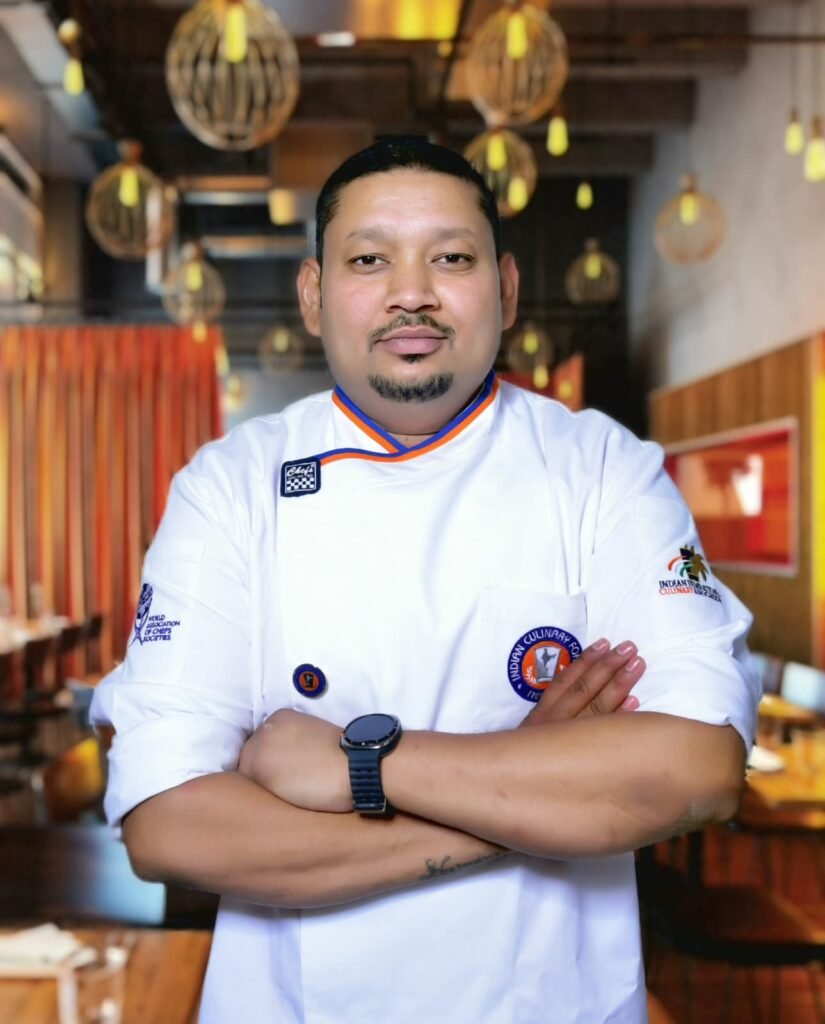
Chef Ravinder Singh Negi
The Imperia by Dhaba, New Jersey
Hotel design today is no longer just about visual appeal—it has become a strategic driver of revenue and guest engagement. From a chef’s perspective, architecture now directly influences how guests interact with food, space, and service. Open kitchens, chef’s tables, and interactive dining zones are not just design features; they create immersive culinary experiences that guests are willing to pay a premium for. This shift allows hotels to position dining as a central attraction rather than a supporting service.
Modern design also enhances operational efficiency. Thoughtfully planned kitchens, seamless service flow, and integration between front-of-house and back-of-house areas improve speed, reduce wastage, and elevate guest satisfaction. Sustainability is another key factor—energy-efficient layouts, local materials, and zero-waste concepts not only reduce costs but also appeal to environmentally conscious travelers.
Furthermore, experiential design drives repeat business. A well-designed space tells a story—whether it’s cultural, regional, or thematic—and creates emotional connections with guests. Social media also plays a major role; visually striking and unique spaces become shareable moments, turning guests into brand ambassadors.
In essence, hotel design today is a powerful business tool. It blends architecture, storytelling, and functionality to create memorable experiences that directly contribute to higher occupancy, increased F&B revenue, and stronger brand identity.
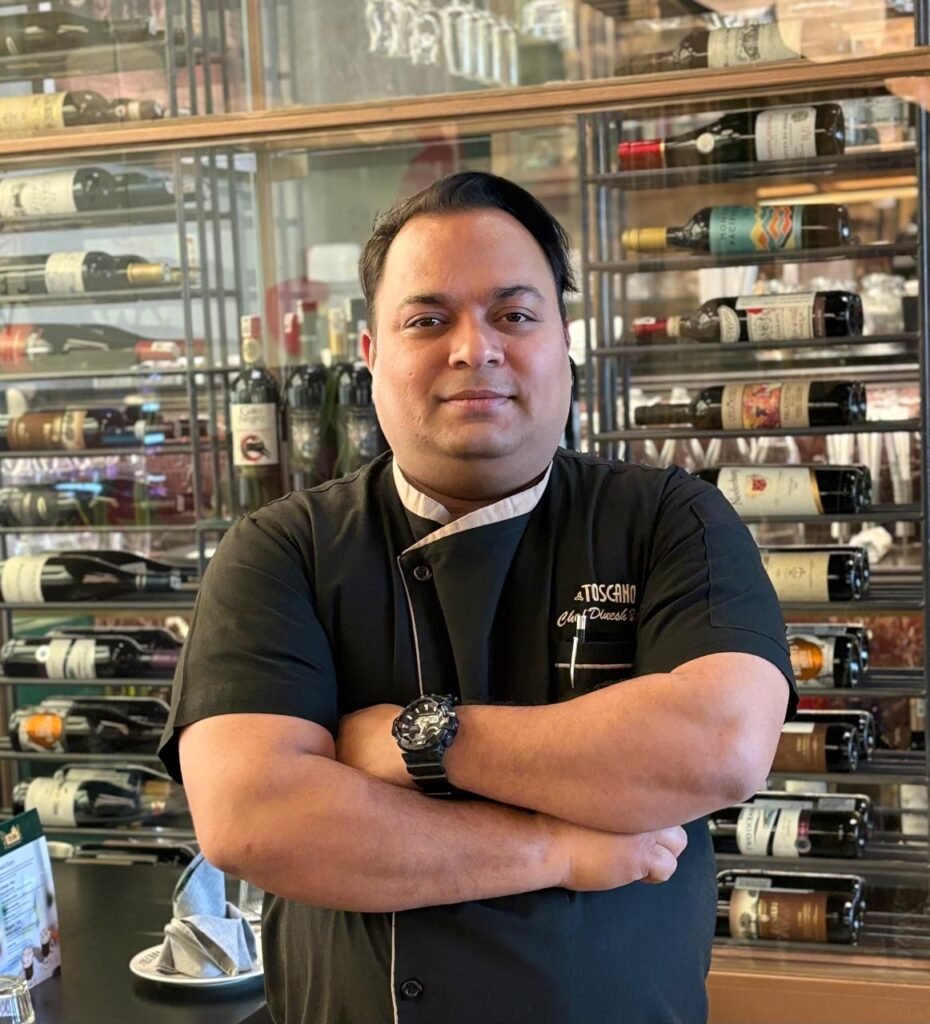
Chef Dinesh Parshad Bhatt
Cluster Chef at Toscano
The evolution of hotel design reflects a deeper understanding of guest expectations. Today’s travelers seek experiences, not just accommodation, and design plays a pivotal role in delivering that. As a chef, I see how architecture now shapes the entire dining journey—from the way a dish is presented to how a guest feels while enjoying it. Spaces are being curated to evoke emotions, making dining more immersive and personalized.
Restaurants within hotels are now designed as standalone destinations. Elements like live cooking stations, curated lighting, and culturally inspired interiors create a narrative that enhances the cuisine. This not only attracts in-house guests but also draws local diners, significantly boosting revenue streams.
Design is also influencing menu development. For instance, a space inspired by regional heritage encourages chefs to craft menus that reflect local flavors and traditions, creating authenticity. Additionally, flexible layouts allow hotels to host diverse events—from intimate dinners to large gatherings—maximizing revenue potential.
Technology integration is another game-changer. Smart lighting, digital menus, and interactive elements enhance convenience and engagement.
Ultimately, hotel design has become a strategic asset. It bridges the gap between aesthetics and functionality, ensuring that every corner of the property contributes to storytelling, guest satisfaction, and profitability.

Chef Jasbir Singh Adhikari
Assistant Chef at The Imperia by Dhaba, New Jersey, USA
Hotel design is undergoing a transformation where architecture is no longer static—it is experiential, dynamic, and deeply connected to business outcomes. From a culinary standpoint, the design of a hotel now defines how guests perceive and engage with food and hospitality as a whole.
Experiential design focuses on creating multi-sensory journeys. The interplay of lighting, textures, aromas, and spatial layout enhances the dining experience, making it memorable and unique. Concepts like open kitchens, chef interaction zones, and themed dining environments allow guests to be part of the culinary process, increasing perceived value and willingness to spend.
Moreover, design is being leveraged to create differentiated brand identities. Each space within a hotel—be it a restaurant, lounge, or bar—is crafted to offer a distinct experience, enabling multiple revenue streams under one roof. This segmentation helps attract varied customer segments and maximizes profitability.
Sustainability and wellness are also shaping design strategies. Incorporating natural elements, eco-friendly materials, and wellness-focused spaces aligns with evolving consumer preferences and enhances brand perception.
In today’s competitive hospitality landscape, design is not just about beauty—it is about creating meaningful, revenue-generating experiences. It transforms hotels into destinations where architecture, cuisine, and storytelling come together to deliver lasting impressions and business success.
Vishal Wadhwa
Director, Shilton Hospitality
1. How is hotel design evolving from being purely aesthetic to becoming a core business and revenue strategy in hospitality today?
Hotel design has moved well past surface-level aesthetics. Today, it’s a strategic lever one that directly impacts revenue, brand recall, and operational efficiency. In my experience designing F&B-driven hospitality spaces, the shift is clear, design is no longer decoration. It’s positioning. The layout dictates dwell time, the flow influences consumption, and spatial storytelling builds loyalty. If your design isn’t driving covers, repeat visits, and higher spends, it’s simply not doing its job.
2. What role does experience-led architecture play in influencing guest behaviour, occupancy levels, and pricing power in your projects?
Experience-led architecture is where the real differentiation lies. Guests don’t just occupy spaces anymore, they engage with them. Whether it’s the way a bar reveals itself, how lighting transitions through the evening, or how communal and private zones interplay, every design decision subtly nudges behavior. Done right, this translates into higher occupancy, stronger pricing power, and a clear competitive edge. I don’t believe in generic luxury; I believe in engineered experiences that people are willing to pay more for.
3. How are sustainability principles and local cultural elements being integrated into modern hotel design to create more meaningful and future-ready hospitality spaces?
Sustainability and cultural integration are no longer optional add-ons, they’re expectations. But they need to be authentic, not performative. At the same time, sustainable practices, efficient layouts, natural ventilation, and mindful material choices aren’t just environmentally responsible, they reduce long-term operational costs. The future of hotel design belongs to those who understand that architecture is not static. It’s a living, revenue-generating experience. And frankly, once you’ve seen it work at scale, there’s no going back to designing for aesthetics alone.