PM’s Recent Comment on Outbound Travel & Weddings
KB Kachru President, Hotel Association of India (HAI) and Chairman – South Asia, Radisson Hotel Group The Hotel Association of India applauds the Hon'ble Prime Minister's clarion call urging citizens to prioritise domestic travel as a
KB Kachru President, Hotel Association of India (HAI) and Chairman – South Asia, Radisson Hotel Group
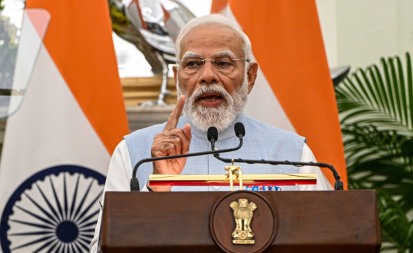
The Hotel Association of India applauds the Hon’ble Prime Minister’s clarion call urging citizens to prioritise domestic travel as a means to discover our own country.
This sentiment has the ability to accelerate a significant and measurable boost in domestic consumption and presents a huge opportunity for India’s tourism and hospitality sector. Increased domestic travel is expected to boost demand for hotels, resorts, local destinations, and regional tourism experiences across the country. It can further strengthen employment generation by supporting small tourism businesses, and accelerate growth in tier II and tier III destinations. HAI members fully support the Government’s vision of strengthening India’s tourism economy through greater domestic travel and regional tourism development. India’s domestic travel market has emerged as one of the strongest demand engines globally, driving hospitality growth, employment generation and infrastructure utilisation across metros as well as Tier 2 and Tier 3 destinations. In the current volatile geopolitical environment, stronger domestic tourism also contributes meaningfully towards conserving foreign exchange while building a more resilient and self-reliant travel ecosystem. At the same time, there is also the need for the Government to encourage and support inbound travel, which will in turn help build foreign exchange reserves for the country.
The Association and the industry stands fully committed to partner with the government in realising PM Modi’s vision to make India a world-class tourism destination, for domestic and foreign travellers alike.
Ayu Tripathi, Director, Aahana Resort
Travel decisions today are becoming increasingly emotional rather than purely aspirational. People are no longer choosing destinations only for novelty or distance, but for how they want to feel when they return from them. In that context, the Prime Minister’s remarks may encourage more travellers to rediscover the richness, diversity, and emotional familiarity of experiences available within India.
Over the last few years, there has already been a visible shift towards slower and more rooted travel. People are seeking stronger cultural connections, time in nature, and destinations that allow them to pause rather than constantly move. This moment could further strengthen that shift. It also presents an important opportunity for Indian hospitality to move from aspirational travel towards more emotionally resonant and experience-led travel.
A stronger focus on domestic travel and celebrations can also create a wider ripple effect across local hospitality ecosystems. Regional destinations, local artisans, community-led experiences, and smaller tourism economies all stand to benefit from this growing interest in more meaningful travel within the country.
From our perspective, this shift further reinforces the importance of thoughtful hospitality. We are continuing to focus on creating more experience-led stays that allow guests to engage more deeply with the destination around them. This includes longer, multi-day stays, nature-led experiences within the forest landscape, wellness experiences centred around rest and restoration, and food experiences inspired by local ingredients and regional flavours.
The same sentiment is likely to influence weddings as well. Families are increasingly moving towards celebrations that feel more personal and connected to the destination itself, while still valuing thoughtful hospitality and a strong sense of experience. This could become an important moment for Indian weddings and hospitality to create experiences that are rooted in the place they belong to, rather than trying to replicate experiences from elsewhere.
Renuka Kaushik, Head of Marketing Jaypee Hotels & Resorts
The hospitality and travel sector entered 2026 on a strong footing, driven by domestic tourism, weddings, MICE activity, experiential travel, and premium leisure demand. In this context, the Prime Minister’s appeal to avoid non-essential outbound travel and discretionary spending, including large weddings, may lead to a more cautious consumer mindset in the short term, especially among middle-income households.
However, it is still early to gauge the full impact, and the industry has not seen any significant slowdown in bookings or travel demand so far. The shift is likely to be in spending patterns rather than travel intent, with consumers preferring shorter holidays, domestic destinations, intimate celebrations, and affordable experiences.
This could benefit the Indian hospitality sector by redirecting demand towards staycations, wellness retreats, spiritual tourism, and drivable leisure destinations. Resorts, heritage properties, hill stations, and premium domestic leisure markets are expected to gain from this trend.
The industry is already adapting through curated experiences, flexible packages and stronger consumer-focused offerings. Overall, the long-term outlook for Indian hospitality remains positive, backed by strong domestic travel demand, improving infrastructure and rising preference for experience-led travel within India.
Samir MC, CEO, Tamara Leisure Experiences
“The hospitality and travel sector is currently operating within a broader environment shaped by evolving global economic conditions, increasing focus on fiscal prudence and responsible consumption, alongside a stronger policy push towards strengthening local economic ecosystems. This also presents an important opportunity for the industry and citizens to collectively support an “India-first” travel and consumption ecosystem, one that not only addresses evolving leisure preferences but also directly benefits local communities, artisans, transport providers and farmers.
The sector is likely to remain conscious until international inbound and outbound travel sentiment stabilises. Though, the domestic market is expected to remain resilient, supported by sustained demand across experiential tourism, wellness-led hospitality, nature-centric stays, and destination-driven travel within India. Operational agility, consumer value consciousness, and service adaptability will remain will continue to remain critical in the near term.”
Colonel Manbeer Sandhu, CMD, NoorMahal Group
“Prime Minister Narendra Modi’s recent appeal urging Indians to hold weddings and holidays within the country, rather than overseas, has resonated strongly within India’s hospitality sector. The call comes at a time of global economic uncertainty, particularly due to disruptions linked to West Asia, and highlights how personal spending choices can have a direct impact on the nation’s foreign exchange reserves. For the hospitality industry, this is an encouraging development. Large-scale weddings hosted domestically don’t just fill hotel rooms; they spark a ripple effect that benefits a wide range of allied industries. From décor and catering to entertainment, logistics, and transport, these events generate employment and business opportunities across the board. Local vendors, artisans, and event professionals all stand to gain when celebrations stay closer to home.
India’s diverse destinations and world-class hospitality infrastructure are more than capable of delivering the kind of immersive, memorable experiences that families seek for milestone occasions. With a growing preference for heritage and experiential weddings, our country is well-positioned to offer both luxury and cultural richness. In a period of global uncertainty, this practical shift supports the domestic economy and demonstrates the strength of India’s hospitality sector.”
John Royerr, Founder, Ochre Spirits
“Every year, an estimated Rs 15,800 crore from Indian wedding spending crosses borders to destinations like Bali, Turkey, and Greece, funds that fuel foreign economies through hotels, catering, and extravagant experiences. Against the backdrop of global uncertainty and pressure on India’s foreign exchange reserves, there’s a renewed conversation about the economic consequences of such trends. Prime Minister Narendra Modi recently highlighted the significance of keeping personal celebration spending within India. While his remarks resonated widely, I believe that the logic is hard to ignore: the Indian wedding market is among the world’s largest, and even a modest retention of outbound spending could deliver a significant boost to domestic venues, caterers, and artisans. This shift would mean Indian traditions and craftsmanship are celebrated at home, rather than simply exported to distant shores.
At Ochre, which works with weddings across the country, this change is already taking hold. At every Goa wedding we serve, more couples are intentionally choosing Indian craft, out of pride, connection, and a quiet confidence in homegrown talent. For a new generation, celebrating in India is not just about circumstance; it’s a conscious choice to support local industry and showcase Indian creativity.”
Pardeep Siwach, Deputy General Manager, Mayfair Spring Valley Resort, Guwahati
The rising significance of domestic tourism, along with PM Narendra Modi’s call for “Explore India,” offers a strong tailwind for the Indian luxury hospitality industry. With international travel being viewed with increasing skepticism, there seems to be a definite trend in changing traveler behavior, focusing on experiencing luxurious yet enriching travel within India.
In other words, luxury and experiential travels have become the choice of travelers who view India as their preferred destination rather than as a travel alternative. Specifically, this change is observed in the increasing demands for wellness-driven retreats and nature-based journeys that are deeply embedded in local culture of India.
Furthermore, the trend of local tourism is also positively influencing the economics of destinations in terms of developing the regional tourism ecosystem and providing new destinations in India. In doing so, it has helped India evolve into a luxury domestic travel economy instead of an outbound market for Indian travelers.
As Indians look for luxury experiences closer home, less-explored destinations such as Northeast India come to prominence due to their authenticity and exclusivity.