Influence of Hospitality Brands on Branded Residences
By Sudeep Bhatt, Director Strategy, Whiteland Corporation Branded residences were barely considered a distinct category in India. Four Seasons changed that in 2015, when it launched the country's first such project across Mumbai and Bengaluru. Supply

By Sudeep Bhatt, Director Strategy, Whiteland Corporation
Branded residences were barely considered a distinct category in India. Four Seasons changed that in 2015, when it launched the country’s first such project across Mumbai and Bengaluru. Supply has since grown 160 per cent, according to Knight Frank’s Residence Report India, and the pace has only picked up.
Why Hospitality Brands Carry Weight
Why hospitality brands specifically? A buyer paying a steep premium for a home isn’t just buying square footage or a good address. They’re buying certainty that the lifts will work, the lobby will be staffed properly, and the building will still feel five-star three years after possession. That’s a hard thing for a developer to promise on its own, but it’s exactly what a hotel operator has been doing for decades. Jaideep Dang, who heads JLL’s Hotels and Hospitality Group in India, put it simply: the brand itself has become the value add, in a country where real estate was already seen as a dependable investment.
The Global Scale of the Trend
The scale of this globally is worth sitting with. Savills’ Branded Residences Report 2025-2026 put the worldwide count at 910 projects by the end of 2025, up close to 20 per cent from the year before, with 1,747 more in the pipeline through 2032.³ India sits sixth in that global ranking now, which is a strange thing to say about a market that was invisible in this space not so long ago.
Gurugram’s Growing Share
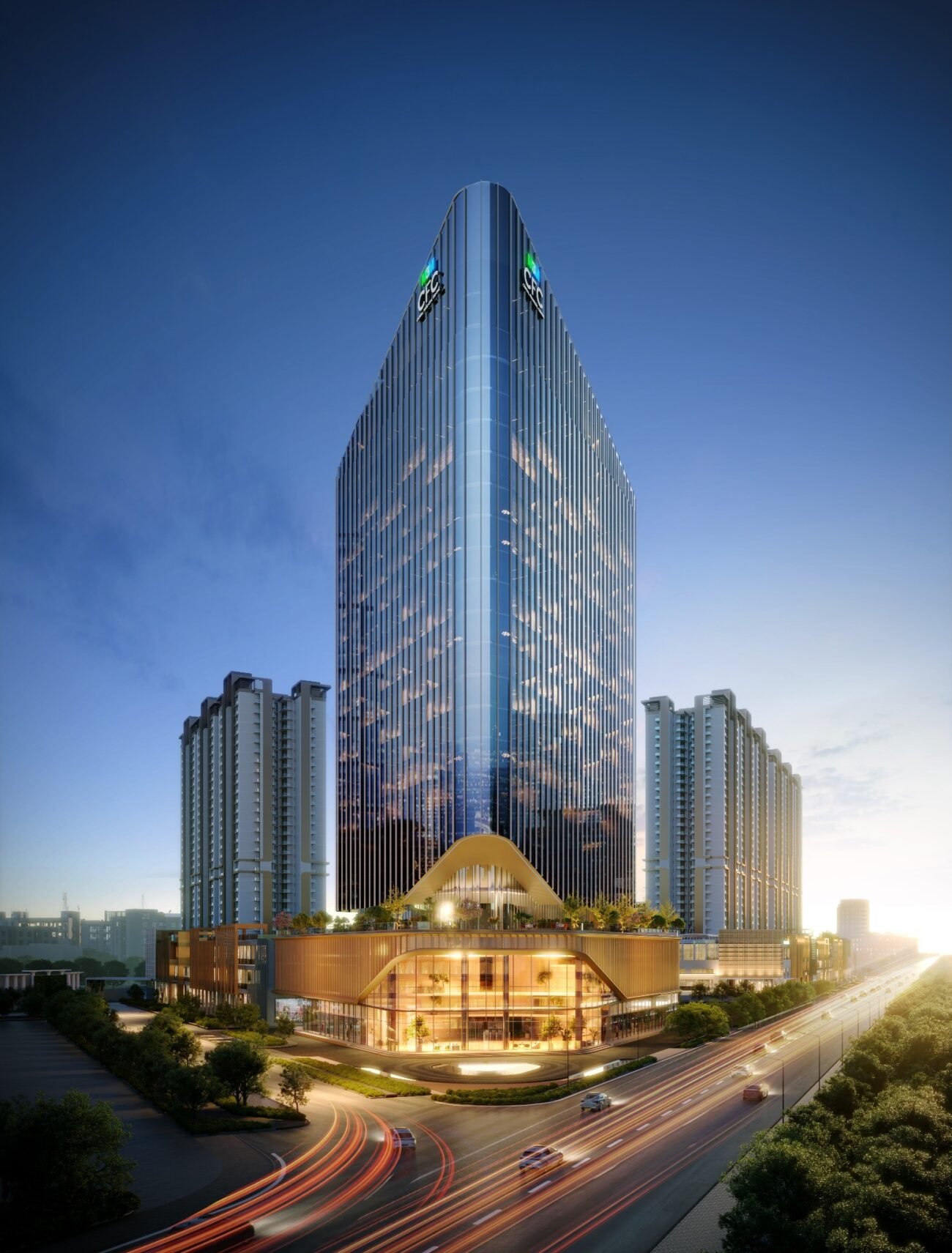
Gurugram, in particular, has become one of the country’s busiest markets for this model. Between Gurugram and Noida, there are ten branded residences either operating or under construction, more than any part of India outside Mumbai. Whiteland’s project in Sector 103, built with Westin Hotels & Resorts, and Trump Residences in Sector 69 are two of the clearer examples. What’s notable about both is that the hospitality partnership shapes the building from day one, not just the marketing brochure later on. Staffing structures, housekeeping standards, even the layout of common areas, are worked out with the operator at the design stage.
The Wealth Base Behind the Demand
None of this holds up if the wealth isn’t there to support it, and right now it is. India had close to 85,700 high net worth individuals in 2025, up 6 per cent on the year before, and that number is expected to cross 93,000 by 2028.⁶ That’s the buyer pool branded residences are built for, and it’s why names like Ritz-Carlton and Six Senses are actively looking at India rather than just watching it from the sidelines.
The Evolved Buyer: Custodian of Planet Earth
Alongside operational perfection, today’s premium buyers bring a defined set of priorities on the table. Along with being considerate on design prowess, affluent homebuyers are deeply conscious of their carbon footprint. Homebuyers carry a belief that they are merely custodians of Planet Earth, duty-bound to hand it over in its pristine, natural shape to the succeeding generation.
In this case, global hospitality giants excel well. Their rigorous ESG mandates, energy-efficient operations, waste-management protocols, and sustainable construction standards align well with what the eco-conscious buyer base demands from a flagship property.
A Deal That Works Both Ways
The arrangement suits both sides. A developer gets to sell faster and at a premium because the name on the gate means something. A hotel group gets management fees and a bigger footprint without having to own the building. It isn’t a simple deal to strike, brand negotiations take time, and revenue-sharing terms get complicated, but the fact that so many projects are still being signed tells you the economics work for both parties.
What This Means Going Forward
For Gurugram’s market, and for developers watching from other cities, the lesson is fairly direct. Buyers are starting to judge a home the way they’d judge a hotel stay. The developers who bring in the right hospitality partner early, rather than bolting one on later, are the ones who’ll shape what luxury housing looks like here over the next few years.