From Clean Labels to Artisanal Foods, The Food Choices That Defined 2026
Mumbai, November 2026 - What goes into our food, where it comes from and how it is made are becoming just as important as how it tastes. In 2026, India's food conversations moved beyond flavour
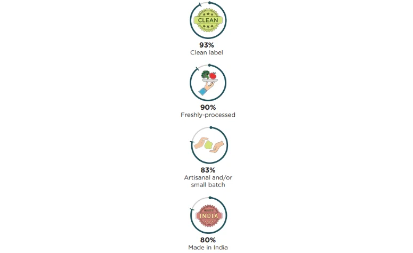
Mumbai, November 2026 – What goes into our food, where it comes from and how it is made are becoming just as important as how it tastes. In 2026, India’s food conversations moved beyond flavour and convenience to a closer examination of ingredients, preparation methods and provenance. Whether it was looking for products without preservatives or additives, rediscovering traditional food preparations or exploring regional specialties, consumers showed a growing interest in knowing the story behind what they eat. Capturing these shifts, the Godrej Food Trends Report (GFTR) 2026 identifies clean-label products (93%), freshly processed foods (90%), artisanal and small-batch goods (83%) and Made in India offerings (80%) among the leading product propositions expected to shape the food landscape.
A growing awareness around food quality has brought ingredient transparency into sharper focus. Conversations led by the medical fraternity, consumer forums, activists and government agencies have encouraged greater scrutiny of food quality and product ingredients. Clean-label offerings, particularly those without preservatives or additives, reflect this focus. At the same time, the interest in freshly processed products, including small-batch ground flours and masalas, signals a renewed appreciation for traditional preparation methods and the familiarity they bring to contemporary kitchens.
For Dr. Chef Avin Thaliath, Chef, Co-founder and Director of Academics at Lavonne, this shift represents a larger change in the relationship between consumers and food producers. He says, “This movement isn’t just about better food, it’s about rebuilding the relationship between people, producers, and the planet. Ultimately, it signals something profound, a reawakening of the consumer’s right to know, and the producer’s duty to be transparent. Food, after all, is not just nourishment; it is a relationship. And like any relationship, it must be built on trust.”
The search for authenticity has also found expression in the growing interest in regional and artisanal foods. Traditional recipes, locally rooted ingredients and products made in smaller batches are finding relevance among consumers looking for food with a distinct identity and story. The GFTR findings reflect this inclination, with 83% of experts identifying artisanal and small-batch products as a promising proposition and 80% pointing to Made in India offerings. Together, these trends highlight how regional pride and cultural connections are becoming part of the way consumers discover and evaluate food.
Dina Weber, Founder of SAPA Bakery, sees this as an opportunity for regional food traditions to find a stronger place in contemporary food choices. She says, “Having a heightened sensitivity toward authenticity and meaning we will look at regional and traditional food with great stories to bring more colour and meaning into our day-to-day lives. That said, with health being important protein will continue its word of the year streak.”
However, growing interest in artisanal and small-batch products does not necessarily translate into an immediate shift in purchasing behaviour. While consumers are increasingly drawn to distinctive offerings, nutritional considerations such as clean labels, low-calorie options and protein fortification also influence their choices. For smaller artisanal brands, building consumer confidence through credible production practices and demonstrating value remain important, particularly in a price-sensitive market.
Tanisha Laura Phanbuh, Indian Culinary Creative and Founder of Tribal Gourmet, points to this balance between growing interest and consumer hesitation, “Consumers are definitely more careful while purchasing a product these days. Clean labels, low-calorie or protein fortification are amongst trending requirements. Smaller ‘artisanal’ brands are drawing attention, thanks to a good marketing strategy and luck with social virality. But all said and done, the market is still price-sensitive, and people are wary or reluctant to purchase from really small artisanal brands.”
As 2026 draws to a close, the food trends captured by GFTR point to a consumer who is increasingly curious, discerning and conscious of the choices they make. From knowing the ingredients in a product to valuing the traditions and people behind it, food preferences are being shaped by a deeper appreciation for transparency, authenticity and trust.
About Godrej Industries Group:
At the Godrej Industries Group, we serve over 1.1 billion people globally through a diverse portfolio of businesses, united by our purpose of Crafting tomorrow. With revenues of USD 6.1 billion in FY25 and a market capitalisation of USD 27.5 billion as of 31 March 2025, we operate across FMCG, real estate, financial services, agriculture, and chemicals. We are the leading player in India across several business categories, including residential real estate, animal feed, crude palm oil, oleochemicals, household insecticides, hair colour, and air care.
We are committed to building a more sustainable future through our Good & Green programme, with ambitions of net-zero operations by 2035 and responsible supply chains by 2047. In 2025, Godrej Consumer Products and Godrej Properties were both ranked number one globally in their respective categories on the Dow Jones Best-in-Class Sustainability Indices.