Agriculture, Food Processing and Rural Women at Centre of ‘Shakti Ki Saptadhara’ Roadmap for Viksit Bharat
Shivraj Singh Chouhan calls for farm-to-global market integration, state and district-level agricultural plans, higher farm incomes and six crore Lakhpati Didis Key Highlights Agriculture and food processing identified as key pillars of the ‘Shakti Ki Saptadhara’ vision. Government
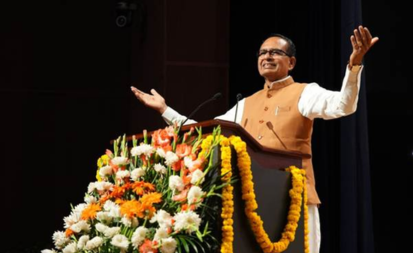
Shivraj Singh Chouhan calls for farm-to-global market integration, state and district-level agricultural plans, higher farm incomes and six crore Lakhpati Didis
Key Highlights
- Agriculture and food processing identified as key pillars of the ‘Shakti Ki Saptadhara’ vision.
- Government targets six crore Lakhpati Didis, after achieving the three-crore milestone.
- Focus on taking Indian farm products from farm to global markets through processing, branding, packaging and exports.
- State- and district-specific agricultural roadmaps proposed based on climate, soil, water and market conditions.
- Greater use of AI, mechanisation, improved seeds and modern farming technologies encouraged.
- Government departments asked to strengthen field-level monitoring of rural development schemes.
The Union Agriculture and Rural Development Ministry has outlined a new roadmap to align India’s agriculture and rural development sectors with Prime Minister Narendra Modi’s ‘Shakti Ki Saptadhara’ vision for a Viksit Bharat by 2047.
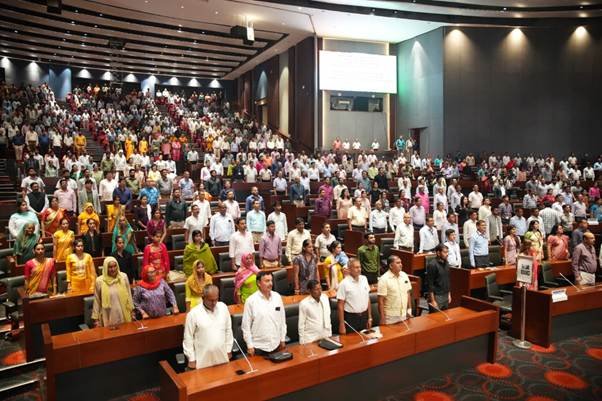
At a commitment programme held at the C. Subramaniam Auditorium in Pusa, Union Minister Shivraj Singh Chouhan called on farmers, scientists, government officials, food processors, exporters, Farmer Producer Organisations (FPOs) and rural women to work collectively towards a more prosperous, self-reliant and globally competitive agricultural economy.
From farm production to global markets
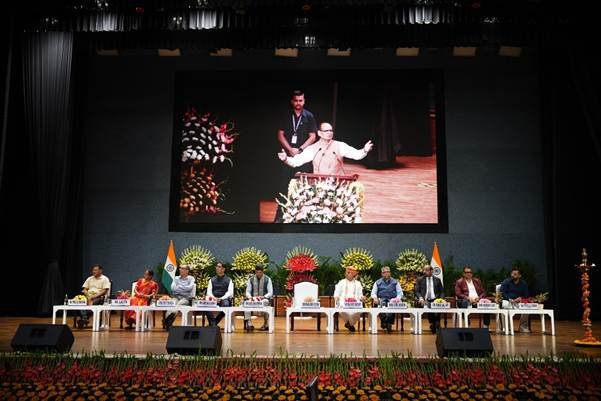
Chouhan said India’s agricultural strategy must move beyond increasing production and focus equally on quality, food safety, processing, packaging, branding and international standards.
India produces a wide range of agricultural commodities, including spices, chillies, fruits, flowers and traditional food products. According to the Minister, improving their quality and processing them according to global requirements can create significantly greater income opportunities for farmers.
The government is therefore seeking closer coordination between farmers, processors, exporters and FPOs, creating an integrated value chain from production to international markets.
Natural, organic and chemical-free products were also highlighted as areas with growing domestic and international demand.
State and district agricultural roadmaps proposed
A major component of the new approach is the preparation of state- and district-specific agricultural roadmaps.
Chouhan noted that India’s agricultural conditions differ significantly across regions because of variations in climate, soil, water availability and cropping patterns.
The proposed roadmaps would therefore assess:
- Crop suitability and diversification
- Domestic and international market demand
- Processing and value-addition opportunities
- Water and soil conditions
- Technology and mechanisation requirements
- Marketing and export potential
The Indian Council of Agricultural Research (ICAR), Krishi Vigyan Kendras (KVKs), State Governments and agricultural research institutions are expected to work together to take suitable technologies to farmers.
Higher production, lower costs and better prices
The government’s agricultural priorities include raising productivity, reducing cultivation costs, improving quality and ensuring remunerative returns for farmers.
Chouhan also stressed timely access to information on weather, markets and production, alongside greater attention to:
- Natural and organic farming
- Irrigation and water conservation
- Crop diversification
- Integrated farming systems
- Agriculture-based supplementary livelihoods
- Mechanisation and artificial intelligence
The Minister said integrated farming models based on local resources can help farmers diversify income sources and strengthen rural livelihoods.
Six crore Lakhpati Didis now the target
Rural women’s economic empowerment remains another major pillar of the government’s rural development agenda.
Chouhan said the target of creating three crore Lakhpati Didis has been achieved, and the government is now working towards creating six crore Lakhpati Didis.
Women associated with Self-Help Groups are being supported through skill development, finance, entrepreneurship and market access.
The government also plans to promote initiatives such as She-Marts and branding programmes to help rural women sell handicrafts, food products, Ayurvedic products and traditional goods in wider domestic and international markets.
The Minister stressed that higher women’s incomes can strengthen not just individual households but entire villages and the wider rural economy.
Rural development to be measured on the ground
Chouhan called for greater field-level monitoring of rural development schemes, saying government programmes must produce visible outcomes at the village and beneficiary level.
Officials were urged to regularly visit villages rather than rely solely on office-based reviews and administrative data.
Areas highlighted for faster implementation included:
- Pucca housing
- Rural roads
- Water security
- Employment and livelihoods
- Land and water conservation
- River rejuvenation
- Agriculture-linked activities
- Women’s economic empowerment
The Minister said discrepancies between departmental data and ground realities need to be addressed through stronger field monitoring.
Four principles for effective implementation
Chouhan also shared four principles for officials and employees:
“Paanv mein chakkar, munh mein shakkar, seene mein aag aur maathe par barf.”
The phrase represents four qualities—regular field engagement, a cordial approach, determination and patience.
The Minister urged officials to remain connected with beneficiaries, work collaboratively and persist even when results are not achieved immediately.
Food processing could unlock new opportunities
The government’s emphasis on moving “from farm to global markets” has particular significance for India’s food-processing ecosystem.
Greater processing, packaging and branding of agricultural commodities could create opportunities for regional foods to move from local markets into organised retail, hospitality, exports and international cuisine.
Hospitality, Food & Tourism Impact
Food & beverage: Greater emphasis on quality agricultural products, processing and branding could improve access to differentiated Indian ingredients for hotels, restaurants and food manufacturers.
Culinary tourism: Regional agricultural products, traditional foods and GI-linked commodities can become stronger components of destination-based culinary experiences.
Food exports: Better processing, packaging and compliance with international standards could expand the range of Indian products entering global food and hospitality supply chains.
Rural tourism: Higher farm incomes, FPO development and women-led enterprises can support farm stays, rural experiences, local food trails and community-based tourism.
Hospitality supply chains: State and district-level crop planning based on market demand could eventually improve consistency of supply for institutional food buyers.
Bottom Line
The ‘Shakti Ki Saptadhara’ roadmap places agriculture, food processing, exports and rural women’s economic empowerment at the heart of the government’s Viksit Bharat strategy. The proposed shift from production-focused agriculture to market-linked, technology-enabled and value-added farming could have wider implications for India’s food, hospitality, export and rural tourism ecosystems.