Chandigarh Pilots CBDC-Based DBT for PDS, Aiming to Make Foodgrain Delivery More Transparent
New digital system links welfare payments to food purchases, giving beneficiaries greater choice while adding safeguards against diversion of funds Key Highlights Chandigarh has launched a Central Bank Digital Currency (CBDC)-based Direct Benefit Transfer (DBT) pilot for
New digital system links welfare payments to food purchases, giving beneficiaries greater choice while adding safeguards against diversion of funds
Key Highlights
- Chandigarh has launched a Central Bank Digital Currency (CBDC)-based Direct Benefit Transfer (DBT) pilot for the Public Distribution System.
- Beneficiaries can use the digitally transferred funds specifically for foodgrains and essential food commodities.
- The system is designed to reduce intermediaries and improve transparency, security and timeliness.
- Beneficiaries will have greater flexibility to choose between wheat, rice, pulses and other essential food items.
- Chandigarh is expected to serve as a potential model for wider adoption of the technology.
The government has launched a CBDC-based Direct Benefit Transfer (DBT) pilot for the Public Distribution System (PDS) in Chandigarh, introducing a technology-led approach to welfare delivery that could reshape how food subsidies reach beneficiaries.
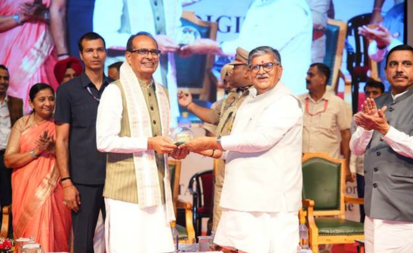
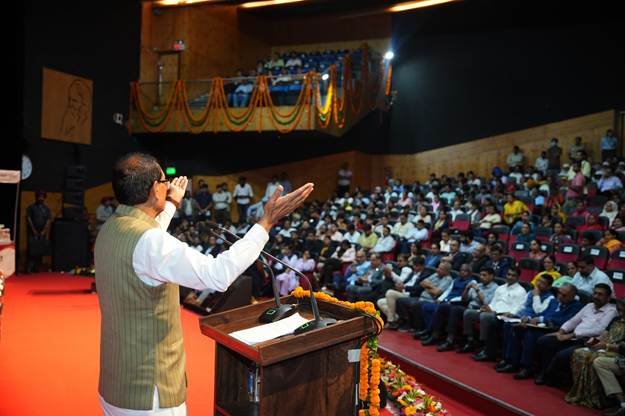
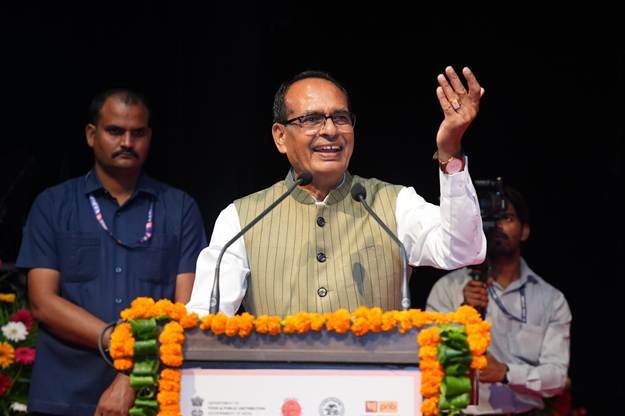
Union Agriculture and Farmers’ Welfare and Rural Development Minister Shivraj Singh Chouhan launched the initiative at Tagore Theatre in Chandigarh, describing it as a step towards making foodgrain distribution more transparent, secure and timely.
CBDC adds safeguards to food subsidy payments
Unlike conventional cash transfers, the Chandigarh pilot incorporates technological safeguards intended to ensure that beneficiaries use the transferred funds specifically for ration and essential food commodities.
The system is designed to reduce the possibility of welfare funds being diverted towards unrelated expenditure while retaining the advantages of DBT, including direct transfers and reduced dependence on intermediaries.
The model also provides beneficiaries with greater choice. Instead of being limited to wheat and rice, they can opt for pulses and other essential food commodities covered by the system.
Chandigarh positioned as a model for wider rollout
The government intends to assess the Chandigarh experiment before considering broader adoption.
Chouhan said the pilot could eventually serve as a model for other parts of the country if the system successfully addresses implementation challenges and demonstrates its effectiveness.
The initiative reflects a wider government push towards using digital public infrastructure and technology-enabled delivery systems to improve the targeting and transparency of welfare schemes.
Food security remains central to policy
At the launch, Chouhan reiterated that the interests of farmers and economically vulnerable households would remain central to agricultural and food policy.
He also highlighted the Pradhan Mantri Garib Kalyan Anna Yojana (PMGKAY), under which free foodgrains are being provided to more than 800 million people.
According to the Minister, the food support not only addresses household food security but can also reduce family expenditure on basic food, potentially freeing resources for education and other essential needs.
From DBT to targeted digital welfare
The CBDC-based model attempts to address one of the key limitations associated with unrestricted cash transfers: ensuring that a benefit intended for a specific purpose is actually used for that purpose.
The Chandigarh pilot therefore combines direct digital payment with transaction-level restrictions, potentially creating a new model for targeted welfare delivery.
If successfully scaled, such systems could have implications beyond food subsidies, particularly where governments need to balance beneficiary choice with targeted use of public funds.
Implications for food, hospitality and tourism
The initiative is primarily a food-security reform, but it could indirectly influence the wider food and hospitality ecosystem.
- Greater food choice: Allowing beneficiaries to purchase pulses and other essential commodities could support demand diversification within local food markets.
- Digital food economy: Greater use of digital transactions could strengthen formalisation across food retail and distribution networks.
- Local supply chains: More transparent demand signals could eventually help improve planning for procurement, storage and distribution.
- Food security and tourism: Reliable access to essential food remains an important component of urban welfare and the resilience of tourism destinations and workforce communities.
- Technology-led public services: Chandigarh’s pilot adds another example of digital infrastructure being tested for applications with direct implications for everyday food consumption.
The larger significance
The Chandigarh experiment represents a shift from simply transferring welfare funds electronically to controlling and tracking their intended use through programmable digital payments.
If the pilot proves effective, a CBDC-enabled PDS could become an important addition to India’s digital welfare architecture—combining transparency, beneficiary choice and targeted food-security support while reducing leakage and administrative friction.