Rajasthan, Telangana Get ₹605.71 Crore Agriculture Funding Under RKVY and Krishonnati Yojana
Rajasthan receives ₹340.59 crore and Telangana ₹265.12 crore as Centre pushes agricultural infrastructure, farmer services and technology-led delivery Key Highlights ₹340.59 crore approved for Rajasthan under RKVY and Krishonnati Yojana. ₹265.12 crore allocated to Telangana under the two
Rajasthan receives ₹340.59 crore and Telangana ₹265.12 crore as Centre pushes agricultural infrastructure, farmer services and technology-led delivery
Key Highlights
- ₹340.59 crore approved for Rajasthan under RKVY and Krishonnati Yojana.
- ₹265.12 crore allocated to Telangana under the two schemes.
- Telangana’s Farmer ID and fertiliser distribution model receives appreciation from the Union Agriculture Minister.
- Rajasthan asked to strengthen Kisan Credit Card (KCC) coverage and access.
- Centre links fund releases to expenditure progress and implementation of approved annual action plans.
The Centre has approved a combined ₹605.71 crore in fresh agricultural funding for Rajasthan and Telangana under the Pradhan Mantri Rashtriya Krishi Vikas Yojana (PM-RKVY) and Krishonnati Yojana (KY), providing additional momentum to farm development and farmer-support programmes in the two States.
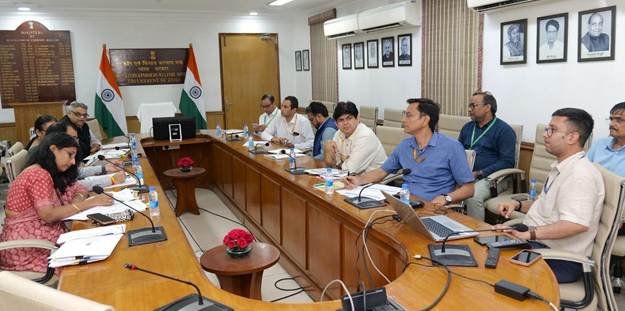
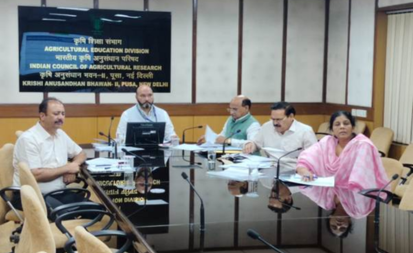
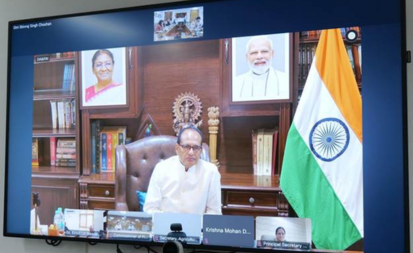
Union Agriculture and Farmers’ Welfare Minister Shivraj Singh Chouhan approved the allocations following a review of the States’ annual action plans, utilisation of earlier sanctions and expenditure progress during a virtual meeting with the agriculture ministers of Rajasthan and Telangana.
Rajasthan receives ₹340.59 crore
Rajasthan has been allocated ₹340.59 crore, comprising:
- ₹216.12 crore under RKVY
- ₹124.47 crore under Krishonnati Yojana
The State’s annual action plan for 2026-27 had been approved at ₹849.37 crore, including a Central share of ₹509.62 crore.
A first Mother Sanction of ₹216.13 crore was issued in May, against which Rajasthan had incurred expenditure of ₹164.39 crore, or 76.06%, by August 13.
Chouhan asked the State to give particular attention to the status of Kisan Credit Cards, with the objective of ensuring that farmers have timely and hassle-free access to institutional credit.
Telangana gets ₹265.12 crore
Telangana has received ₹265.12 crore, including:
- ₹157.66 crore under RKVY
- ₹107.46 crore under Krishonnati Yojana
The State’s 2026-27 annual action plan was approved at ₹651.06 crore, including a Central share of ₹390.63 crore.
Against its first Mother Sanction of ₹157.65 crore, Telangana had spent ₹96.05 crore, representing 60.93% utilisation.
The Union Minister also highlighted the relatively slower expenditure under the Oilseeds and Pulses Missions, calling for closer monitoring of implementation and expenditure.
Telangana’s Farmer ID model gets Centre’s backing
One of the key areas highlighted during the review was Telangana’s new approach to Farmer ID and fertiliser distribution.
Chouhan appreciated the model and said it could improve the transparency and effectiveness of delivering agricultural services to farmers.
The development comes as digital farmer identification is increasingly being integrated with government schemes, input delivery, credit and procurement systems across the country.
What the funding means for agriculture
The latest allocations are intended to accelerate implementation of agricultural programmes covering areas such as infrastructure development, productivity enhancement, input support and farmer welfare.
The Centre has also stressed closer coordination between the Union and State governments, particularly in monitoring expenditure and ensuring that sanctioned funds translate into tangible benefits at the farm level.
Hospitality, food and rural tourism impact
For the wider food, hospitality, travel and tourism ecosystem, stronger agricultural investment can have indirect but important implications.
- Stronger local food supply: Higher farm productivity and better infrastructure can improve the availability of regional produce for hotels and restaurants.
- Specialty food opportunities: Greater support for pulses, oilseeds and other crops can encourage food-processing and regional culinary businesses.
- Rural tourism: Improved farm infrastructure and incomes can support agritourism, farm stays and community-based tourism.
- Farm-to-table networks: Farmer IDs and more transparent input and service delivery could eventually strengthen traceability and organised sourcing.
- Food processing: Investment in agricultural infrastructure can create opportunities for value addition, storage and processing closer to production centres.
Bottom line
The ₹605.71-crore combined allocation gives Rajasthan and Telangana additional resources to implement their 2026-27 agricultural plans. With the Centre placing greater emphasis on digital farmer identification, institutional credit, efficient scheme implementation and technology-enabled service delivery, the latest funding push could strengthen the foundations of more productive and market-linked agricultural economies in both States.