World Environment Day 2026: Industry Leaders Drive Sustainability Through Innovation and Responsible Growth
World Environment Day 2026 serves as a powerful reminder that sustainability is no longer confined to corporate commitments—it is becoming a defining force behind business innovation and growth. Across industries, leaders are embracing smarter technologies,

World Environment Day 2026 serves as a powerful reminder that sustainability is no longer confined to corporate commitments—it is becoming a defining force behind business innovation and growth. Across industries, leaders are embracing smarter technologies, responsible resource management, and environmentally conscious practices to create lasting impact. Their efforts reflect a shared vision for a greener future where economic progress, customer value, and environmental responsibility coexist seamlessly.
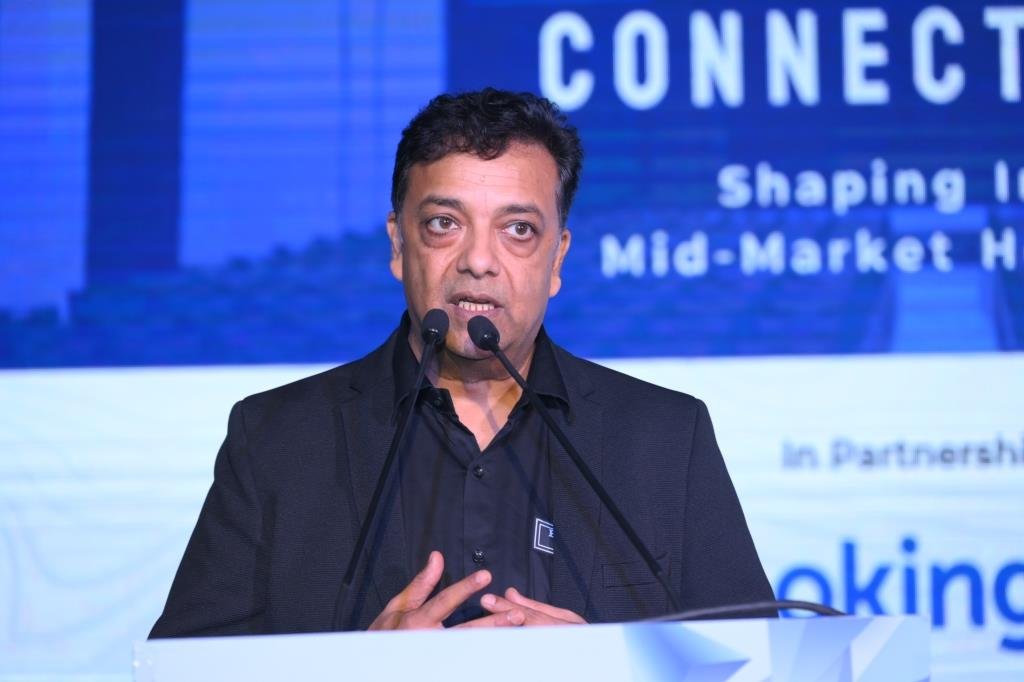
Aditya Sanghi
CEO & Co-Founder, Hotelogix
“Hotels today are under mounting pressure from guests, investors, and regulators to become sustainable while maintaining profitability. See this: over 70% of global travelers prefer hotels with sustainable practices. In this context, today’s modern technology solutions play a very important role.
Cloud‑based hotel PMS platforms remove the burden of running energy‑hungry local on-premises servers. It reduces both operational costs and carbon emissions by eliminating the need for excess data center hardware. Intelligent forecasting tools help hotels anticipate demand and manage inventory smarter. And the result is significantly reduced food waste. Housekeeping and maintenance tools optimize staff deployment so rooms are serviced only when needed. This helps hotels save water and electricity in the process.
AI-powered energy management tools add another layer of efficiency. They dynamically adjust HVAC by detecting infrared radiation emitted by human bodies. This helps hotels slash unnecessary power consumption and save big on electricity costs without sacrificing guest comfort. Meanwhile, digital check-in and mobile concierge services enable hotels to go paperless, eliminating printed bills, receipts, forms, etc.
At Hotelogix, we believe sustainability and profitability are not opposing forces. Hotels can achieve both with intelligent technology adoption. We see the industry steadily moving towards a greener future, where efficiency, profitability, and guest delight coexist seamlessly.”
Parimal Shah
Founder, Cherise India
“Today, as we reflect on our responsibility toward the planet, it becomes clear that sustainability often begins with the everyday systems we rarely think about. Across workplaces and commercial spaces, routine operations like beverage preparation consume significant amounts of water and energy while generating avoidable waste at scale. Over time, even small inefficiencies in these daily processes can create a significant environmental impact.
That is why the focus today should not only be on large-scale environmental changes, but also on making everyday systems smarter and more efficient. At Cherise, we believe practical innovation and conscious resource management can go hand in hand, and that small, consistent operational improvements can collectively contribute to a cleaner and more responsible future,” said Parimal Shah, CEO & Founder, Cherise India Pvt. Ltd. By adopting better technology, reducing wastage, and improving operational efficiency, businesses can make meaningful progress without changing consumer behaviour or disrupting daily routines.
Shah further adds that this growing awareness around environmental responsibility reminds us that innovation and conscious resource management can work together. Small but consistent improvements in how beverages are prepared and served may seem simple individually, but together they can contribute to a cleaner and more responsible future. That is the kind of sustainability that creates real impact because it becomes part of everyday operations, not just a separate initiative.”
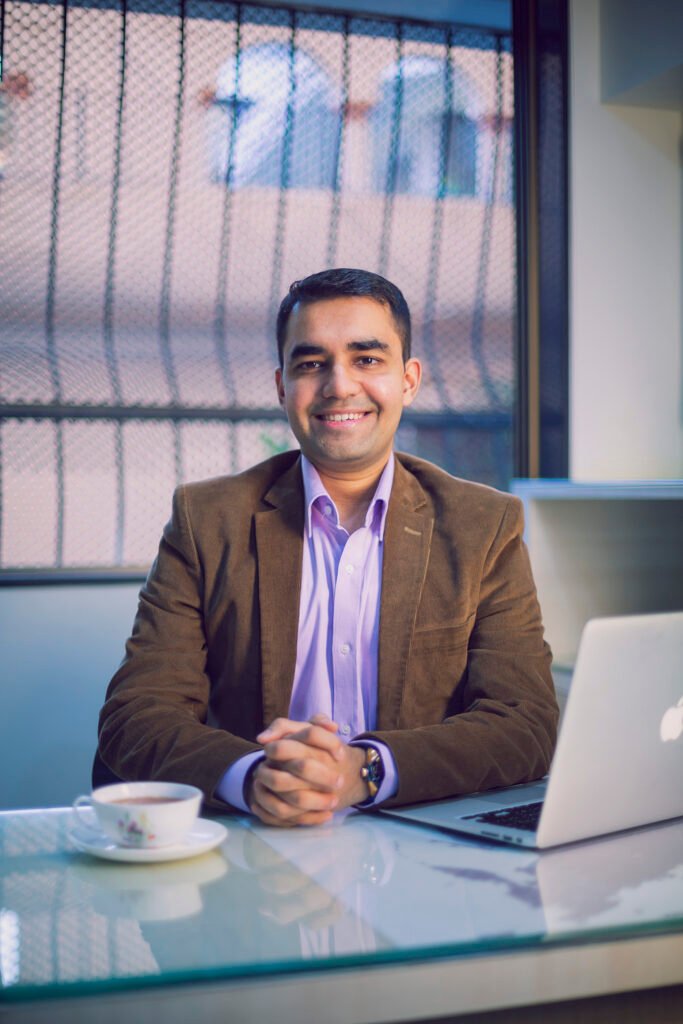
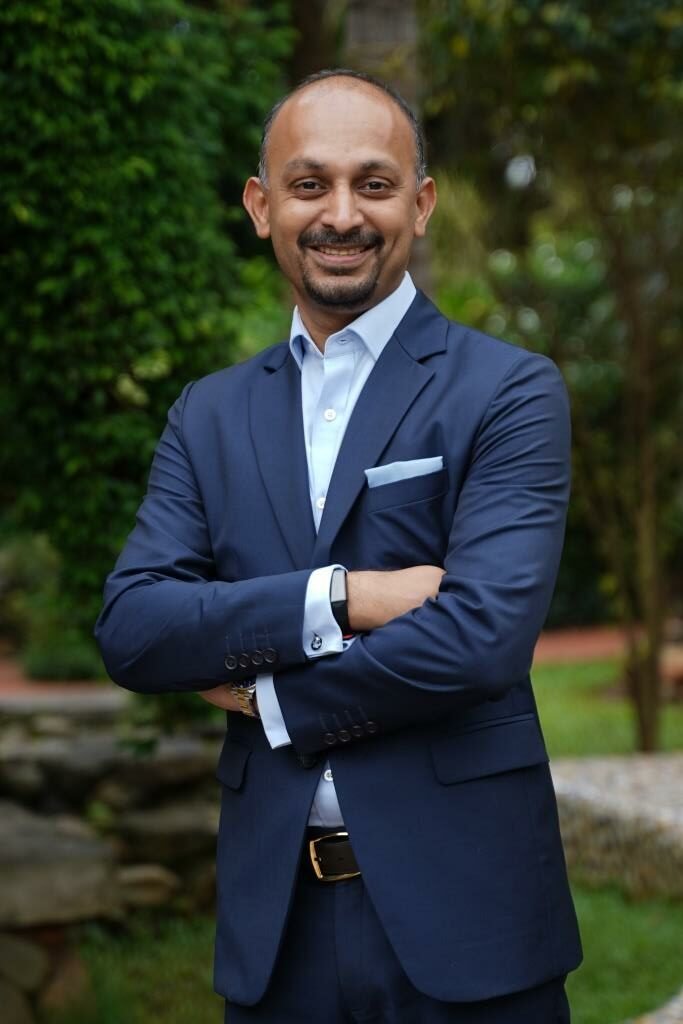
Samir MC
CEO, Tamara Leisure Experiences
“This World Environment Day, we are inviting our guests at Tamara Leisure Experiences to be part of a meaningful journey of restoration. For every booking made across our properties this month, we will plant a tree in partnership with Grow Billion Trees. By ensuring that a booking becomes the beginning of new life taking root, we are choosing to contribute to a more resilient future and ensuring we always give back more than we take from the nature that surrounds us.
While this initiative marks a vital milestone, environmental stewardship at Tamara Leisure Experiences is never a one-day event, it is a conscious move that has defined our work for over 14 years. We believe that true impact is not found in a seasonal promise, but in the consistent work of listening to the land and responding with steady, intentional action.
At Tamara, Responsible Hospitality is the core philosophy that guides every decision we make. Our foundation is built on the firm conviction that People, Profit, and Planet must thrive together to create a truly sustainable future. This model is built upon three critical pillars: Sustainability, Wellness, and Technology. By integrating deeply into local ecosystems and prioritizing regional supply chains, we have built an operational resilience that allows our properties to grow in harmony with the communities and regions that host us.
This commitment is validated by our global benchmarks. While The Tamara Coorg is proud to be GSTC certified, these rigorous standards of responsibility serve as the baseline for all our properties across the group. We believe in being consistent stewards of the land, ensuring that our communities are strengthened and our ecosystems thrive. The future of hospitality will be defined by the legacy we leave behind for our destinations because Responsible Hospitality is no longer an aspiration; it is an imperative.”
Anupam Vig
General Manager – India, Finnair
World Environment Day reminds us that the path to a more sustainable future in aviation is complex and requires sustained effort over time. For Finnair, reducing emissions is at the core of our environmental work, with a clear focus on improving carbon efficiency and supporting the industry’s transition away from fossil fuels.
Progress requires a broad set of actions, from using sustainable aviation fuel and improving operational efficiency to reducing waste and applying circular economy principles across our operations. At the same time, we recognise that many of the solutions needed for deeper change, such as new technologies and fuels, are still developing, which makes collaboration across the industry essential.
As we continue connecting people and cultures around the world, we are committed to doing so responsibly, taking practical steps today while contributing to the longer-term transformation of aviation.

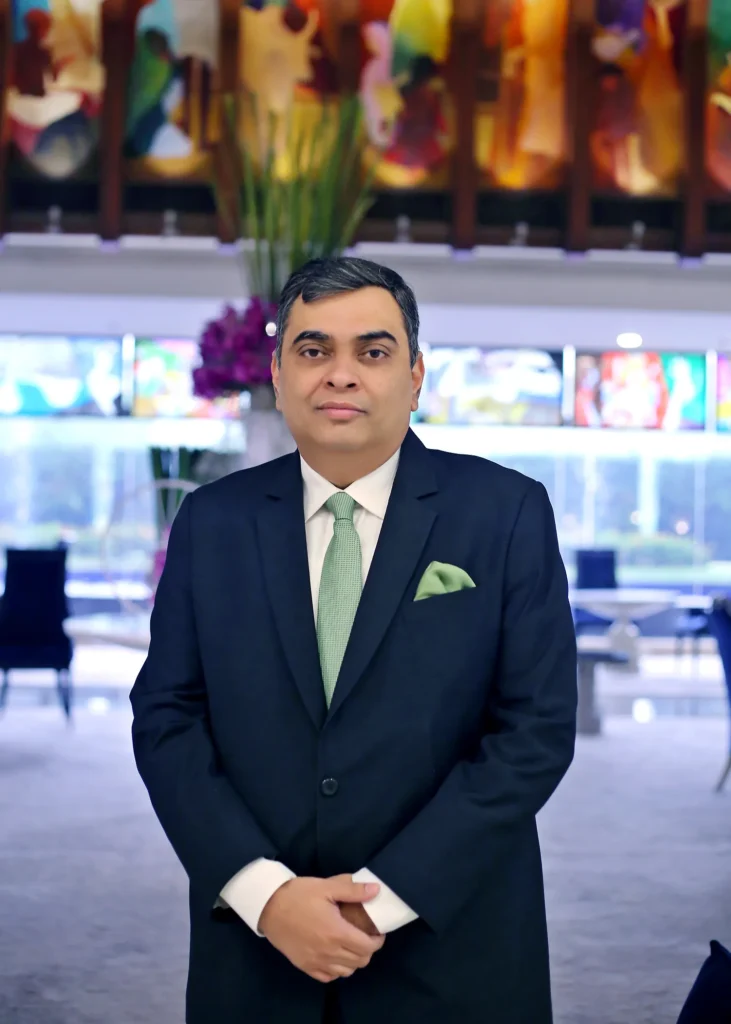
Amaan R Kidwai
Area Manager Luxury Hotels (North) &, General Manager ITC Maurya
At ITC Maurya, sustainability finds expression as an intuitive dimension of everyday luxury, where even the simplest guest experiences contribute to a larger climate-conscious vision. Guided by ITC Hotels’ Responsible Luxury philosophy, our approach centres on seamlessly integrating mindful choices into the guest journey, ensuring that responsibility and refinement exist in perfect harmony.
Water stewardship remains a defining focus. As the world’s first LEED Platinum hotel for Existing Buildings and a LEED Zero Water certified property, ITC Maurya brings together rainwater harvesting, advanced recycling systems, and responsible consumption practices into a cohesive and carefully managed framework.

Equally, the everyday is elevated through conscious choices. With SunyaAqua, water is purified and bottled within the hotel, reducing transportation impact while moving away from single use plastics. Across its culinary offerings, an emphasis on locally sourced, seasonal ingredients shapes a dining experience that is both thoughtful and distinctive.
As home to one of the world’s first paraboloid solar concentrators in the hospitality sector, the hotel reflects a forward-looking approach to energy efficiency, where innovation is quietly at work behind the scenes. Complemented by renewable energy integration, EV charging infrastructure, and thoughtfully designed systems, these initiatives allow guests to experience a more considered way of living, without any compromise on comfort.
At ITC Maurya, sustainability is not presented as an initiative apart. It is an intrinsic part of the experience itself, where every detail is considered, and every choice reflects a commitment to a more responsible and future-facing expression of luxury.
Jaspreet Singh
General Manager, Six Senses Vana
“World Environment Day reminds us that human wellbeing and environmental wellbeing are deeply interconnected. In wellness hospitality, this relationship is becoming increasingly important as travellers seek experiences that help them reconnect not only with themselves, but also with the places they visit and the natural world around them.
As an industry, we have an opportunity to embed sustainability into every aspect of the guest experience, from how we manage resources and support biodiversity to how we foster a deeper appreciation for local ecosystems and communities. At Six Senses Vana, we are fortunate to be surrounded by a Sal forest that has remained largely unchanged since the retreat first opened more than a decade ago. Living alongside this landscape is a daily reminder that wellbeing extends beyond the individual to include the health of the ecosystems and communities that sustain us. Sustainability is therefore not a separate initiative, but an integral part of how we operate every day.
The future of wellness travel will be shaped by a simple yet powerful understanding: caring for people and caring for the planet are part of the same journey.”
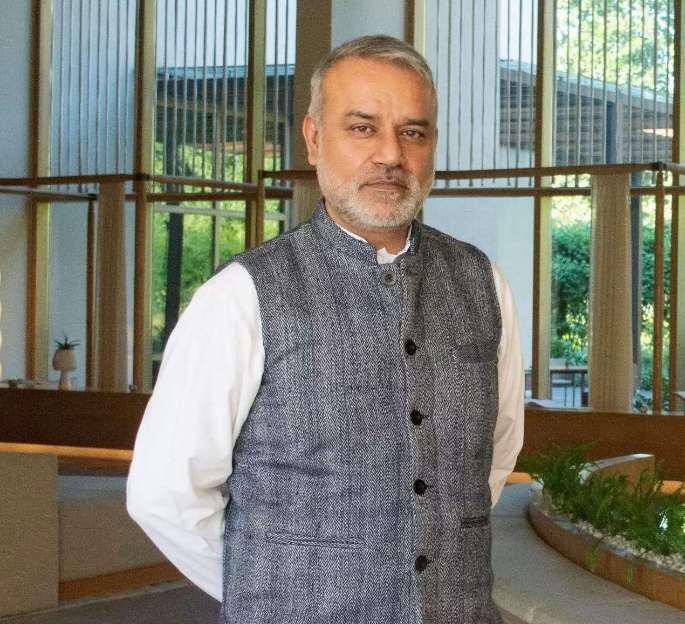
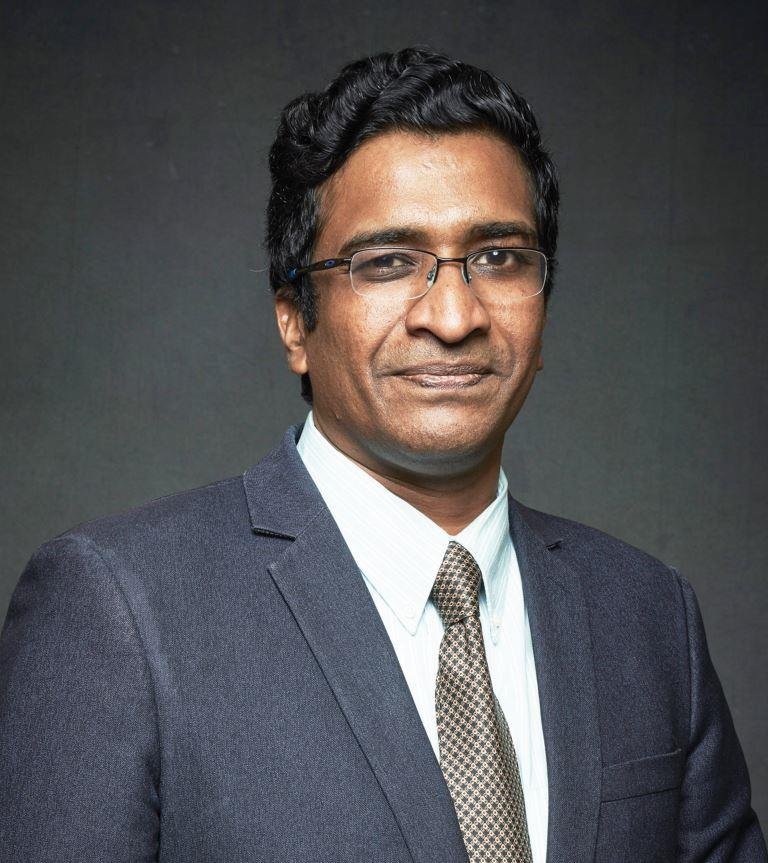
Jayant Balan
Head of RAC Business at Voltas Limited
“As India experiences rising temperatures and increasingly erratic weather patterns, the conversation around cooling must evolve from access alone to responsible and energy-conscious consumption. Today, consumers are becoming far more climate conscious in their choices, seeking solutions that are not only efficient but also environmentally responsible. At Tata Voltas, sustainability is integral to our innovation journey, from developing energy-efficient, inverter and AI-enabled cooling solutions that optimise power consumption, to incorporating recycled materials across products and packaging, and transitioning towards more sustainable alternatives such as hydrocarbon refrigerants and compostable packaging. Beyond products, we continue to strengthen environmentally responsible practices through resource optimisation, waste reduction, renewable energy integration and responsible recycling initiatives. On World Environment Day, it is important to recognise that the future of cooling lies not just in comfort, but in creating smarter, more sustainable solutions that balance growing consumer needs with environmental responsibility.”