Odisha Targets 5 Lakh Hectares Under Millet Cultivation by 2047, Sets Production Goal of 8 Lakh Tonnes
National event in Bhubaneswar highlights Odisha Shree Anna Abhiyan as a potential model for millet-led agricultural transformation, with focus on indigenous varieties, climate-resilient farming, food processing and stronger market linkages. Bhubaneswar, November 10, 2026: Odisha is
National event in Bhubaneswar highlights Odisha Shree Anna Abhiyan as a potential model for millet-led agricultural transformation, with focus on indigenous varieties, climate-resilient farming, food processing and stronger market linkages.
Bhubaneswar, November 10, 2026: Odisha is looking to significantly expand its millet cultivation as part of a long-term strategy to strengthen climate-resilient agriculture, conserve indigenous crop diversity and promote sustainable food systems. The state has been encouraged to increase its millet cultivation area from the existing 1.79 lakh hectares to 5 lakh hectares by 2047, with a targeted production of 8 lakh metric tonnes.
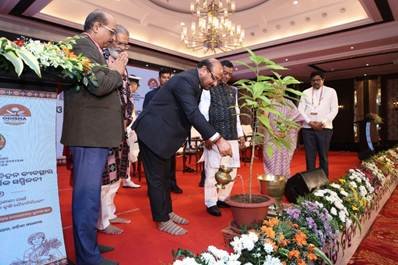
The roadmap was highlighted by Dr. Mangi Lal Jat, Secretary, Department of Agricultural Research and Education (DARE) and Director General of the Indian Council of Agricultural Research (ICAR), during the inauguration of a two-day national event on Agro-Biodiversity Conservation, Climate-Resilient Agriculture and Sustainable Food Systems in Bhubaneswar, Odisha, on November 10.
The event brought together policymakers, agricultural scientists and stakeholders to discuss opportunities for strengthening indigenous crop diversity, improving agricultural sustainability and developing economically viable food systems.
Key Highlights
- Odisha targets expansion of millet cultivation from 1.79 lakh to 5 lakh hectares by 2047.
- Long-term millet production target set at 8 lakh metric tonnes.
- Odisha Shree Anna Abhiyan highlighted as a potential national model for millet-based agricultural transformation.
- Ragi procurement reached 7.5 lakh quintals during KMS 2024-25.
- Procurement target for KMS 2025-26 set at 8 lakh quintals.
- Conservation of 163 documented indigenous finger millet landraces emphasised.
- Focus on minor millets, including suan and kangu, alongside traditional varieties.
- Expansion of processing infrastructure, FPOs, women’s SHGs and market linkages proposed.
Odisha Shree Anna Abhiyan Gets National Attention
Addressing the gathering, Dr. Jat highlighted the potential of Odisha’s rich agro-biodiversity, particularly its millet varieties, to address challenges related to climate change, soil health and nutrition.
He recognised the progress of the Odisha Shree Anna Abhiyan and its potential to serve as a national model for millet-led agricultural development.
The state’s ragi procurement performance was also highlighted. Odisha procured 7.5 lakh quintals of ragi during the Kharif Marketing Season (KMS) 2024-25, with a target of 8 lakh quintals for 2025-26.
Particular attention was given to conserving the state’s indigenous millet diversity, including 163 documented finger millet landraces. Traditional varieties such as Kalia, Bati, Mami and Bharathi were highlighted as important agricultural resources.
Focus on Millet Processing, FPOs and Market Development
Beyond expanding cultivation, the roadmap emphasises strengthening the entire millet value chain.
Dr. Jat called for wider adoption of scientific cultivation practices, increased production of minor millets such as suan and kangu, and the development of affordable processing machinery.
The proposed measures also include:
- Strengthening Farmer Producer Organisations (FPOs).
- Supporting women’s Self-Help Groups (SHGs).
- Expanding millet-based enterprises.
- Improving market linkages and commercial opportunities.
- Strengthening collaboration with ICAR-Indian Institute of Millets Research (ICAR-IIMR), Hyderabad.
- Exploring the establishment of a Centre of Excellence on Millets at Odisha University of Agriculture and Technology.
These interventions are aimed at connecting millet cultivation with processing, entrepreneurship and wider market access.
National Event Highlights Agro-Biodiversity and Sustainable Food Systems
The inaugural programme was attended by Odisha Governor Shri Braj Mohan Ram, Odisha Agriculture and Farmers’ Welfare Minister Shri Kanak Vardhan Singh Deo, Dr. Mangi Lal Jat, Chairperson of the M.S. Swaminathan Research Foundation Dr. Soumya Swaminathan, and Odisha Agriculture and Farmers’ Empowerment Department Commissioner-cum-Secretary Shri Sachin Ramachandra Jadhav.
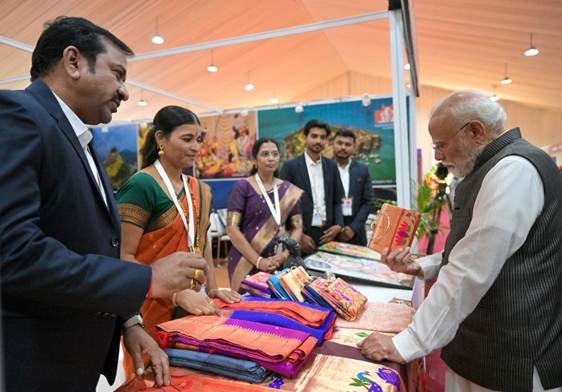
The event also featured exhibitions showcasing agricultural innovations, indigenous crop diversity and millet-based products, along with interactions with farmers.
The two-day programme aims to strengthen institutional partnerships, facilitate knowledge exchange and accelerate the development of climate-resilient and economically viable agricultural systems.
Impact on Hospitality, Food and Travel & Tourism
1. New Opportunities for Millet-Based Menus in Hotels and Restaurants
The proposed expansion of millet cultivation could strengthen the availability of millet-based ingredients for the hospitality industry. Hotels, restaurants, resorts and institutional caterers can explore greater use of ragi, suan and kangu in breakfast menus, bakery products, snacks, desserts and regional specialities.
2. Growth of Odisha’s Millet-Based Culinary Identity
Odisha’s traditional millet varieties provide opportunities to develop distinctive regional food experiences. Hotels and restaurants can incorporate indigenous millet recipes into curated menus, promoting local culinary heritage to domestic and international travellers.
3. Opportunities for Millet Processing and Food Entrepreneurship
The focus on affordable processing machinery, FPOs and women’s SHGs could support the development of millet-based food businesses. This may create opportunities for packaged foods, ready-to-cook products, healthy snacks and value-added ingredients for the hospitality and food service sectors.
4. Potential for Agricultural and Culinary Tourism
Millet-growing communities, traditional food practices and indigenous crop varieties can become part of Odisha’s rural tourism offering. Farm visits, millet festivals, traditional cooking demonstrations and local food trails could connect agricultural communities with tourism businesses.
5. Sustainable Food Sourcing and Climate-Resilient Supply Chains
Millets are recognised for their nutritional value and adaptability to challenging growing conditions. Greater cultivation and improved processing infrastructure could diversify ingredient sourcing options for food businesses while supporting sustainable food systems.
Industry Takeaway
Odisha’s proposed millet roadmap goes beyond increasing agricultural production. Its focus on indigenous crop conservation, processing infrastructure, farmer organisations and market development creates opportunities across the food value chain.
For India’s hospitality industry, the development presents an opportunity to bring regional grains and traditional food ingredients into mainstream menus, strengthen local sourcing and develop new food experiences.
As Odisha works towards its 2047 cultivation and production targets, the integration of millet farming with food processing, culinary entrepreneurship and tourism could help create additional economic opportunities for farmers and businesses across the state’s food and hospitality ecosystem.