Pawan Hans Signs MoU with Norway’s Noemi Aerospace to Explore Electric Seaplane Technology
Partnership targets electric seaplanes, regional and island connectivity, skill development and sustainable aviation, with India eyeing domestic seaplane manufacturing Key Highlights Pawan Hans signs non-binding MoU with Norway-based Noemi Aerospace (Elfly AS) Partnership will explore electric seaplane technologies
Partnership targets electric seaplanes, regional and island connectivity, skill development and sustainable aviation, with India eyeing domestic seaplane manufacturing
Key Highlights
- Pawan Hans signs non-binding MoU with Norway-based Noemi Aerospace (Elfly AS)
- Partnership will explore electric seaplane technologies and sustainable aviation
- Proposed cooperation includes feasibility studies, technical knowledge sharing and skill development
- Government aims to strengthen regional and island connectivity
- Civil Aviation Minister says India wants to build seaplanes domestically, alongside operating them
- Union Budget 2026 proposed incentives for seaplane manufacturing and a Seaplane VGF Scheme
- MoU involves no financial, procurement or investment commitment
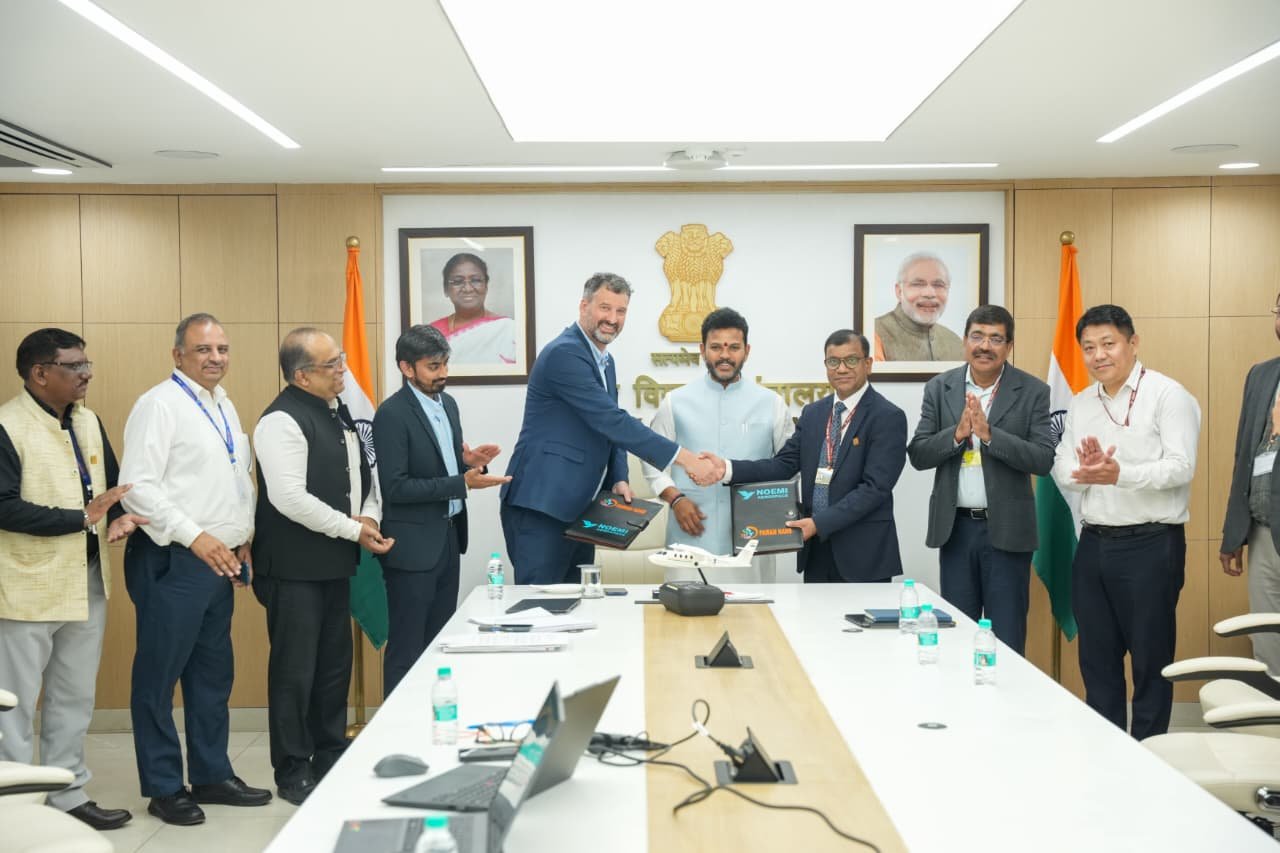
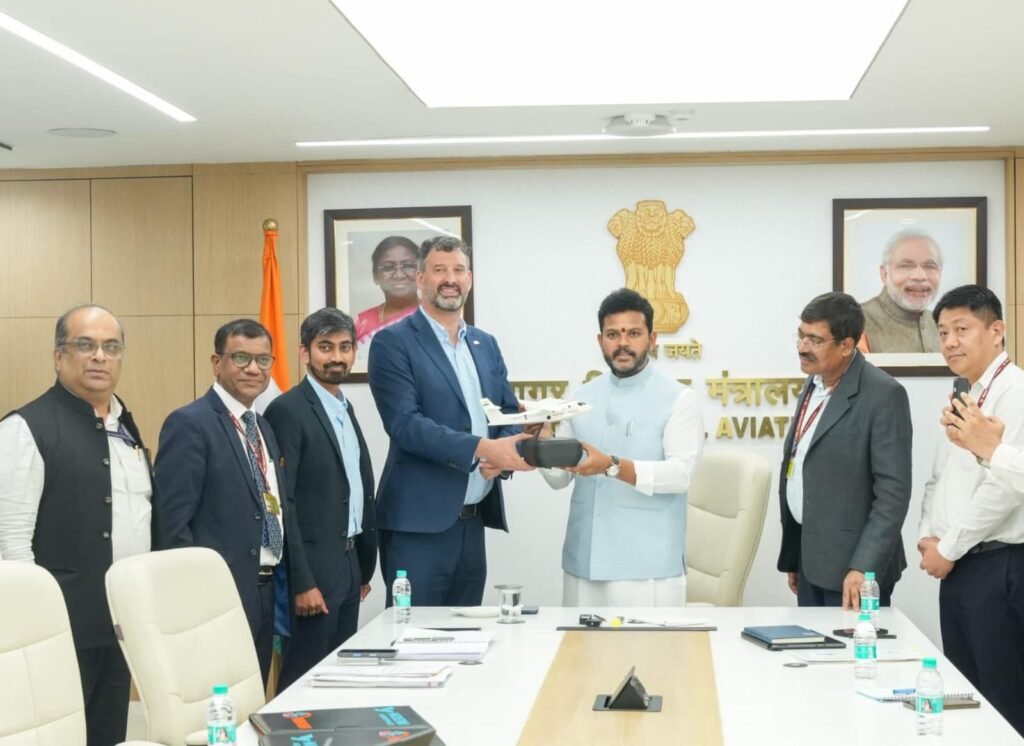
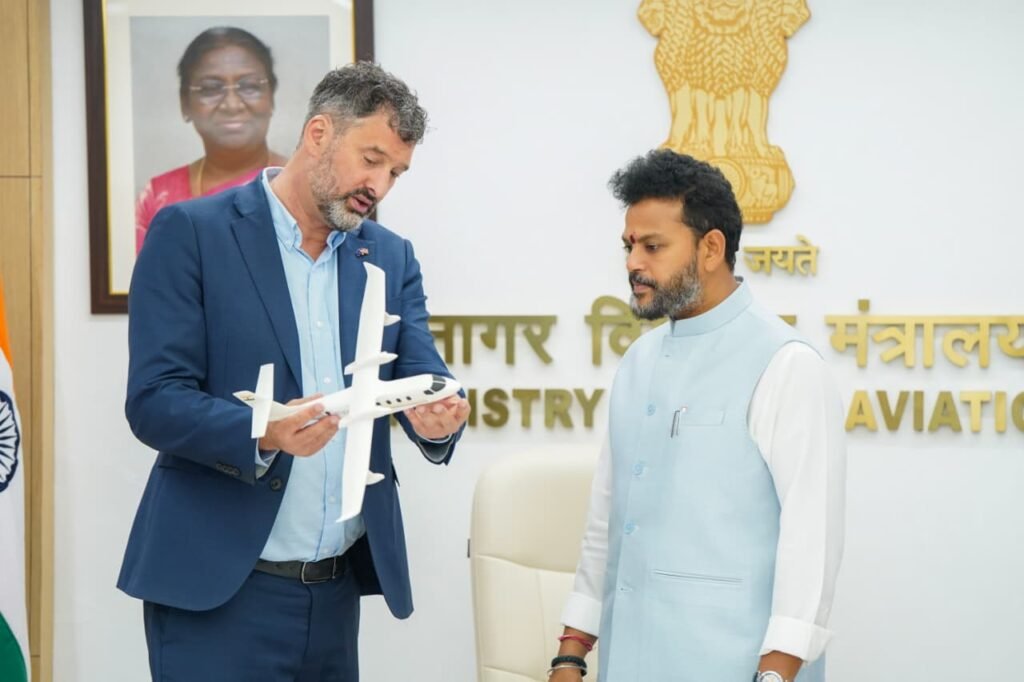
New Delhi, August 5, 2026: Pawan Hans Limited (PHL), a Government of India enterprise under the Ministry of Civil Aviation, has signed a non-binding Memorandum of Understanding (MoU) with Norway-based Noemi Aerospace (Elfly AS) to explore cooperation in next-generation sustainable aviation technologies, including electric seaplanes.
The agreement was signed in the presence of Civil Aviation Minister Ram Mohan Naidu Kinjarapu and Secretary, Ministry of Civil Aviation, Samir Kumar Sinha.
The MoU was signed by Pawan Hans Chairman and Managing Director Sunil Kumar Nagdawne and Noemi Aerospace CEO Eric François Lithun.
Electric Seaplanes and Sustainable Aviation in Focus
The proposed collaboration will explore opportunities in several areas, including:
- Electric seaplane technologies
- Skill development and capacity building
- Technical knowledge sharing and workshops
- Feasibility studies
The initiative is aligned with the Government’s focus on regional connectivity, green aviation, island connectivity, innovation-led growth and emerging aviation technologies.
Speaking at the event, Civil Aviation Minister Ram Mohan Naidu said the collaboration reflects the Government’s wider objective of strengthening indigenous capabilities while exploring emerging technologies in India’s civil aviation sector.
India Eyes Domestic Seaplane Manufacturing
The Government’s ambition extends beyond introducing seaplane operations in India.
The Civil Aviation Minister said India also wants to develop the capability to build seaplanes domestically, in line with the Make in India vision.
He highlighted provisions in Union Budget 2026 aimed at promoting seaplane manufacturing, including incentives to encourage indigenisation and a proposed Seaplane Viability Gap Funding (VGF) Scheme to support operations.
The combination of international technology partnerships and domestic manufacturing capability, according to the Minister, could help address local and regional demand for seaplane services.
Over the past two years, the Government has also introduced dedicated Seaplane Operations Guidelines, simplified the regulatory framework and conducted demonstration flights to encourage wider stakeholder participation.
Potential Boost for Island and Regional Tourism
For India’s travel and tourism sector, the development of seaplane connectivity could be significant, particularly for destinations where conventional road and rail connectivity is limited or time-consuming.
Island destinations, coastal tourism hubs, riverfront locations and remote regional destinations could potentially benefit from faster point-to-point connectivity.
For the hospitality industry, expanded seaplane operations could create opportunities for destination resorts, island hotels, luxury tourism, experiential travel and premium short-haul connectivity.
Seaplanes could also become part of integrated travel packages combining air connectivity with resorts, cruises, water-based experiences and destination activities.
The focus on electric seaplane technology adds a sustainability dimension, potentially supporting the development of lower-emission tourism mobility as the technology matures.
No Financial or Procurement Commitment
The MoU is exploratory and does not involve any financial commitment, procurement commitment, investment obligation or exclusive arrangement between the parties.
Any future collaboration will require separate definitive agreements and the necessary approvals from competent authorities in accordance with applicable laws and Government procedures.
Noemi Aerospace (Elfly AS), headquartered in Bergen, Norway, is developing next-generation electric seaplane technology and has received support from the Government of Norway for its development programme.
For Pawan Hans, the agreement represents another step towards exploring international technology partnerships and supporting innovation within India’s evolving aviation ecosystem.
Bottom Line: The Pawan Hans–Noemi Aerospace MoU puts electric seaplanes on India’s emerging aviation and tourism agenda. If technology, regulation, infrastructure and commercial viability come together, seaplanes could eventually provide a new connectivity option for islands, coastal destinations and remote tourism markets while opening new possibilities for resort and experiential travel.