MoFPI Begins Consultations for Next-Generation Food Processing Incentive Scheme
Industry proposes flexible incentives, stronger export support and innovation-led policy as Ministry charts roadmap for the next phase of food processing subsidies Key Highlights Ministry of Food Processing Industries (MoFPI) holds high-level stakeholder consultation in New Delhi. Discussions
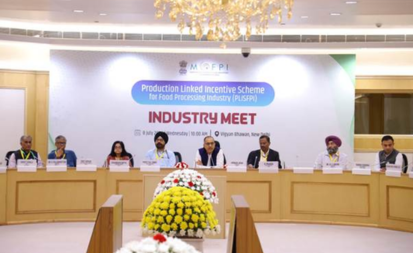
Industry proposes flexible incentives, stronger export support and innovation-led policy as Ministry charts roadmap for the next phase of food processing subsidies
Key Highlights
- Ministry of Food Processing Industries (MoFPI) holds high-level stakeholder consultation in New Delhi.
- Discussions focus on designing the next phase of food processing incentive and subsidy schemes.
- Existing Production Linked Incentive Scheme for Food Processing Industry (PLISFPI) exceeds investment targets, attracting over ₹9,207 crore against the committed ₹7,722 crore.
- PLI-supported product sales cross ₹1.08 lakh crore in FY 2025-26.
- Exports reach ₹20,840 crore, while the scheme creates around 3.35 lakh jobs.
- Millet-based processed foods emerge as one of the fastest-growing segments.
- Industry seeks stronger support for exports, branding, innovation, automation and emerging food categories.
- MoFPI to constitute two Working Groups to promote India’s food processing sector and build a science-based narrative around processed foods.
New Delhi, July 8, 2026:
The Ministry of Food Processing Industries (MoFPI) has initiated consultations with industry leaders to design the next phase of India’s food processing incentive framework, aiming to strengthen manufacturing, exports, innovation and value addition across the sector.
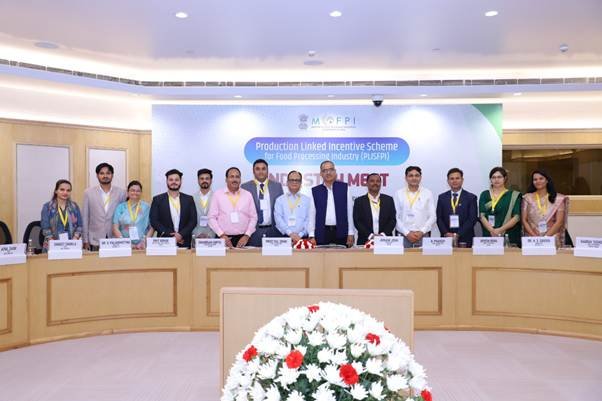
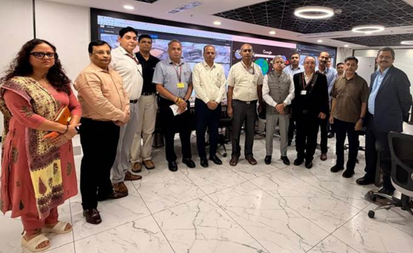
The high-level stakeholder consultation, held at Vigyan Bhawan in New Delhi, brought together senior ministry officials, industry associations, beneficiary companies under the Production Linked Incentive Scheme for Food Processing Industry (PLISFPI), IFCI Limited and Invest India.
The discussions focused on gathering industry feedback to shape the design, implementation framework and incentive architecture for the next generation of food processing support schemes.
PLISFPI Surpasses Investment Targets
During the consultation, the Ministry presented the performance of the existing PLISFPI, highlighting strong industry participation and investment.
Against an initial committed investment of ₹7,722 crore, beneficiary companies have reported investments exceeding ₹9,207 crore across 212 manufacturing facilities in 22 states, surpassing original commitments by nearly 20%.
The scheme has also delivered significant business growth.
- Sales of PLI-supported products increased from ₹58,758 crore in FY 2019-20 to ₹1,08,854 crore in FY 2025-26, recording a compound annual growth rate (CAGR) of 10.82%.
- Exports grew at a CAGR of 11.05%, reaching ₹20,840 crore during the same period.
- Approximately 3.35 lakh direct and indirect employment opportunities have been generated.
- Investments of over ₹3,265 crore have been made in notified tribal areas.
The Ministry also highlighted the rapid rise of millet-based processed foods, with sales growing at a 104% CAGR, while millet procurement increased by 97% CAGR, reflecting the government’s continued emphasis on nutritious and value-added food products.
Industry Recommends Flexible, Outcome-Based Incentives
Addressing the consultation, Avinash Joshi said the next generation of incentives would be evidence-based and industry-driven, focusing on strengthening domestic manufacturing, global competitiveness, innovation, technology adoption and farmer-centric value chains.
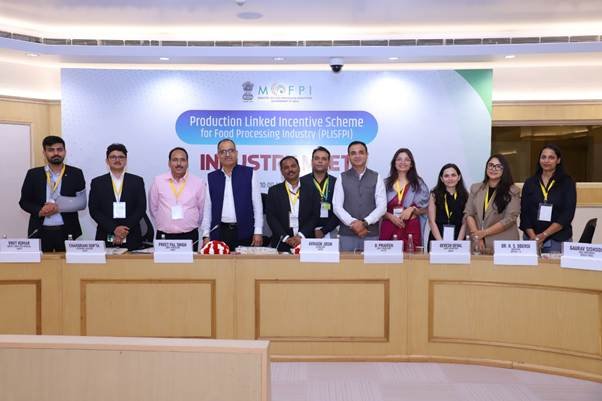
Industry representatives broadly recommended a more flexible and outcome-oriented incentive structure that would:
- Expand coverage to emerging food categories.
- Offer differentiated incentives linked to exports, research and development, innovation and import substitution.
- Reward employment generation and capital investment.
- Simplify implementation and reimbursement processes.
- Encourage automation and advanced food processing technologies.
Sunrise Sectors Receive Special Attention
The consultation identified several high-growth segments for future policy support, including:
- Nutraceuticals
- Functional foods
- Plant-based proteins
- Dairy ingredients
- Marine value-added products
- Animal feed and pet food
- Advanced food processing machinery
Participants also called for greater investment in research infrastructure, clinical validation, Centres of Excellence, regulatory support and export promotion to enhance India’s global competitiveness.
Industry further advocated stronger support for overseas branding, indigenous ingredient development, backward integration and resilient supply chains to build globally recognised Indian food brands.
Two Working Groups to Shape Future Policy
Concluding the consultation, the Ministry announced plans to establish two dedicated Working Groups.
The first group will focus on addressing misconceptions and promoting a science-based understanding of processed foods and the food processing sector.
The second group will work closely with industry stakeholders to strengthen policy implementation, improve competitiveness and support long-term growth of India’s food processing ecosystem.
The Ministry reiterated its commitment to developing a transparent, future-ready incentive framework that promotes innovation, strengthens agricultural value chains and positions India as a global food processing hub.
Hospitality, Food Processing & Tourism Impact
The proposed next phase of food processing incentives could significantly strengthen India’s hospitality, food service and tourism ecosystem.
Greater investment in processed foods, ready-to-eat and ready-to-cook products, dairy, beverages, bakery and marine products will improve the availability of high-quality ingredients for hotels, restaurants, airlines, rail catering and institutional kitchens. Enhanced support for automation, innovation and quality standards is also expected to improve food safety and consistency—critical factors for the hospitality industry.
The strong emphasis on millet-based products aligns with the growing demand for healthy, regional and sustainable cuisine in hotels and wellness tourism. At the same time, support for branding, exports and value addition can help Indian specialty foods gain wider international recognition, boosting culinary tourism and showcasing India’s diverse food heritage to global travellers.
By promoting innovation, strengthening agri-value chains and encouraging investment in emerging food categories, the next-generation incentive framework is expected to create new opportunities for food manufacturers, hospitality businesses, exporters and tourism destinations centred around regional cuisine and food experiences.