Indian Railways Plans Dedicated Fly Ash Logistics Network to Support Green Infrastructure Development
New rail-based transportation initiative aims to transform industrial waste into a valuable resource for cement, construction and sustainable infrastructure projectsNew Delhi, June 18, 2026: Indian Railways is set to play a pivotal role in India's
New rail-based transportation initiative aims to transform industrial waste into a valuable resource for cement, construction and sustainable infrastructure projects
New Delhi, June 18, 2026: Indian Railways is set to play a pivotal role in India’s circular economy ambitions through a new initiative aimed at enabling large-scale transportation of fly ash from thermal power plants to industries that can utilize it for infrastructure development.
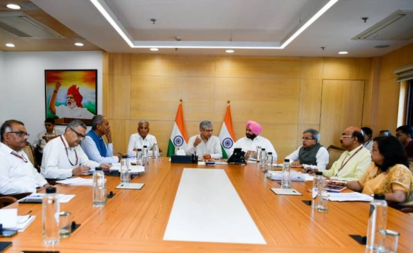
The proposal was discussed during a review meeting chaired by Union Railway Minister Ashwini Vaishnaw, with Ministers of State for Railways V. Somanna and Ravneet Singh Bittu also in attendance.
The initiative seeks to create a dedicated logistics ecosystem for transporting fly ash through the railway network, transforming a major industrial by-product into a valuable raw material for sectors including cement, construction, roads and affordable housing.
Key Highlights
- Indian Railways plans dedicated logistics network for fly ash transportation
- Nearly 340 million tonnes of fly ash generated annually in India
- Fly ash to be transported from thermal power plants to cement and construction industries
- Supports production of cement, concrete, bricks, blocks and infrastructure materials
- Initiative aligned with circular economy and sustainability objectives
- Rail-based transportation expected to improve logistics efficiency and reduce environmental impact
- Could contribute to lower construction costs and wider infrastructure development
Turning Industrial Waste into Economic Value
India’s thermal power plants generate approximately 340 million tonnes of fly ash every year, creating significant challenges related to disposal, storage and environmental management.
The proposed railway logistics network seeks to address this issue by creating an efficient transportation mechanism that moves fly ash from power generation sites to industries where it can be productively utilized.
Instead of being treated as waste, fly ash can become an important raw material for manufacturing cement, concrete products, bricks, construction blocks and other infrastructure materials.
The initiative reflects a growing focus on resource efficiency and industrial sustainability within India’s infrastructure ecosystem.
Dedicated Rail-Based Supply Chain
Under the proposed model, specialised containers and purpose-built rail logistics systems will be deployed to facilitate clean and efficient transportation of fly ash.
By leveraging India’s extensive railway network, the initiative aims to improve accessibility of fly ash to industries located far from power plants, thereby expanding its utilization across the country.
The rail-based approach is expected to reduce reliance on road transport, lower logistics costs and minimize environmental impacts associated with large-scale material movement.
Supporting India’s Infrastructure Growth
Fly ash has become an increasingly important component in modern infrastructure development due to its widespread use in cement manufacturing, road construction and building materials.
Greater availability of fly ash can support:
- Cement production
- Concrete manufacturing
- Brick and block production
- Road development projects
- Affordable housing initiatives
- Urban infrastructure expansion
By improving the supply chain for fly ash, Indian Railways could contribute to more efficient and cost-effective infrastructure development nationwide.
Impact on Hospitality and Tourism Infrastructure
The initiative also has indirect implications for the hospitality, tourism and real estate sectors.
Hotels, resorts, convention centres, airports, tourism facilities and urban infrastructure projects rely heavily on construction materials such as cement, concrete and prefabricated building products. Improved availability of fly ash-based materials can help reduce construction costs while supporting more sustainable building practices.
As sustainability becomes a key priority for hospitality developers and tourism infrastructure planners, greater use of recycled and low-carbon construction materials aligns with broader environmental goals across the sector.
Advancing the Circular Economy
The initiative represents a practical example of circular economy principles in action.
By connecting waste-generating industries with sectors that can use those materials productively, the system helps reduce environmental burdens while creating economic value.
In this model:
- Waste becomes a resource
- Disposal challenges become supply-chain opportunities
- Industrial by-products support infrastructure growth
- Transportation networks enable sustainable development
The approach reflects a broader shift toward resource optimization and industrial symbiosis across India’s economy.
Environmental Benefits
Beyond economic gains, increased utilization of fly ash can help reduce land requirements for ash disposal and lower environmental risks associated with long-term storage.
Rail transport itself offers a relatively energy-efficient mode for moving bulk materials over long distances, further strengthening the environmental credentials of the initiative.
The programme aligns with national efforts to promote cleaner logistics, sustainable industrial practices and more responsible resource management.
A New Role for Indian Railways in Sustainable Development
Traditionally viewed as a transportation provider, Indian Railways is increasingly emerging as an important enabler of India’s sustainability and economic development goals.
The proposed fly ash logistics network demonstrates how transportation infrastructure can support environmental objectives while improving industrial efficiency and strengthening supply chains.
If implemented at scale, the initiative could help convert millions of tonnes of industrial waste into productive economic inputs, supporting infrastructure development, affordable housing, manufacturing growth and greener construction practices across the country.
For the hospitality, tourism and infrastructure sectors, it highlights how sustainability-focused logistics solutions can contribute to more resilient and environmentally responsible development in the years ahead.