India’s First Indigenous Hydrogen Train Set for Launch, Marking Major Milestone in Green Travel Infrastructure
Hydrogen-powered train on Haryana's Jind-Sonipat route positions India among global leaders in clean rail mobility and supports sustainable tourism goals Key Highlights Indian Railways approves country's first indigenous hydrogen-powered train 10-car train equipped with a 1,200 KW hydrogen
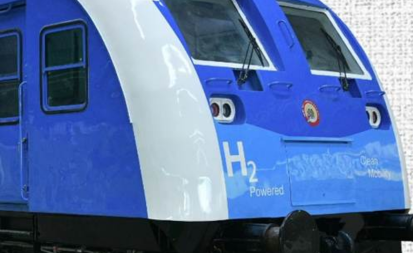
Hydrogen-powered train on Haryana’s Jind-Sonipat route positions India among global leaders in clean rail mobility and supports sustainable tourism goals
Key Highlights
- Indian Railways approves country’s first indigenous hydrogen-powered train
- 10-car train equipped with a 1,200 KW hydrogen fuel cell propulsion system
- Operations to begin on the Jind-Sonipat section in Haryana
- Hydrogen technology produces only water vapour emissions
- Dedicated hydrogen storage and refuelling facility established at Jind
- India joins a select group of nations testing or operating hydrogen rail systems
- Initiative aligns with net-zero and sustainable mobility objectives
India’s First Hydrogen-Powered Train Signals New Era for Sustainable Travel and Green Transportation
NEW DELHI, May 27, 2026: India is preparing to launch its first indigenous hydrogen-powered train, a significant development in the country’s transition toward cleaner transportation and sustainable travel infrastructure.
Indian Railways has approved a 10-car Hydrogen Fuel Cell-based trainset for operations on the Jind-Sonipat section of Northern Railway in Haryana. Powered by a 1,200 KW hydrogen fuel cell propulsion system, the train will operate at speeds of up to 75 kmph and is expected to begin services shortly.
The project places India among a small group of countries including Germany, Japan, China and the United States that are actively exploring hydrogen-powered rail transportation as part of their long-term decarbonisation strategies.
A New Chapter in Green Mobility
Hydrogen fuel cell technology generates electricity through a chemical reaction between hydrogen and oxygen, producing only water vapour as a by-product. Unlike conventional diesel-powered rail systems, the technology offers a cleaner alternative with significantly lower environmental impact.
Globally, hydrogen-powered trains are increasingly being viewed as a viable solution for rail routes where full electrification may not be economically practical or where governments are seeking additional pathways to reduce transport emissions.
The Jind-Sonipat route has been selected as India’s pilot corridor for testing and operating the technology under real-world conditions.
Dedicated Hydrogen Infrastructure Created
To support operations, Indian Railways has established an indigenous hydrogen storage and refuelling facility at Jind.
The facility includes hydrogen compression systems, specialised storage infrastructure and multiple safety mechanisms such as hydrogen leak detectors and flame detection systems. Regulatory approvals for hydrogen storage and dispensing have already been secured, while dedicated operational and maintenance protocols have been developed to support the rollout.
Railway authorities have also planned continuous monitoring systems and specialised training programmes to ensure safe and reliable operations during the initial deployment phase.
Why It Matters for Travel and Tourism
The launch of India’s first hydrogen train represents more than a railway technology milestone. It reflects a broader shift toward sustainable mobility that is increasingly influencing travel and tourism policy worldwide.
Governments, tourism boards and hospitality operators are facing growing pressure to reduce the carbon footprint associated with travel while meeting rising demand for environmentally responsible tourism experiences.
As rail travel remains one of the most efficient forms of mass transportation, cleaner propulsion technologies such as hydrogen could play an important role in supporting low-emission tourism corridors and regional connectivity initiatives.
For destinations, improved green transportation infrastructure can enhance sustainability credentials and support efforts to attract environmentally conscious travellers.
Implications for Hospitality and Destination Development
The hospitality sector is increasingly aligning itself with sustainability targets through energy-efficient buildings, waste reduction programmes and responsible sourcing practices. Cleaner transportation options complement these efforts by reducing the environmental impact of visitor journeys.
Industry experts believe hydrogen-powered rail systems could eventually become part of broader sustainable tourism ecosystems that integrate green mobility, renewable energy and low-carbon destination development.
For hotels, resorts and tourism operators located near future hydrogen-powered rail corridors, improved connectivity combined with stronger sustainability positioning could create additional opportunities to attract both domestic and international travellers.
Supporting India’s Net-Zero Ambitions
The hydrogen train project forms part of Indian Railways’ wider strategy to improve energy efficiency and reduce emissions while supporting India’s long-term clean energy objectives.
As the country expands investments in hydrogen technologies across transportation, industry and energy sectors, successful implementation of rail-based hydrogen systems could pave the way for wider adoption in the years ahead.
For India’s travel and tourism industry, the initiative signals an important step toward integrating sustainable transportation into the broader visitor experience, reinforcing the country’s ambitions to balance infrastructure growth with environmental responsibility.
SEO Keywords
India hydrogen train, hydrogen powered train India, Indian Railways hydrogen train, green transportation India, sustainable travel India, hydrogen fuel cell train, clean mobility India, eco-friendly rail travel, Haryana hydrogen train, railway innovation India, sustainable tourism infrastructure, green tourism India, net zero transportation, hydrogen rail technology, future of rail travel India
Editorial Angle
This story has strong appeal for:
- Travel and tourism professionals
- Hospitality industry executives
- Sustainable tourism stakeholders
- Infrastructure and mobility investors
- Destination development agencies
- Green technology and clean energy readers
It can also become part of a larger feature series on:
“How Green Infrastructure Projects Are Reshaping India’s Future Tourism and Travel Landscape”
alongside stories on Vande Bharat expansion, station redevelopment, ropeways, regional air connectivity, electric mobility and sustainable transport initiatives.